
-18122502213226.png)
Open Graph / Social ========================= -->
For procurement, engineering, and operations teams sourcing enclosures, server racks, and precision sheet-metal parts. Built to reduce sourcing risk and improve RFQ outcomes.
Global buyers often compare quotes purely on unit price. Experienced sourcing teams know this is a mistake. The real cost of outsourcing sheet-metal manufacturing is hidden in design interpretation errors, inconsistent material sourcing, weak quality systems, export-unready packaging, and poor production traceability.
This guide walks you through how to evaluate a manufacturing partner properly—before you commit tooling, timelines, or capital.
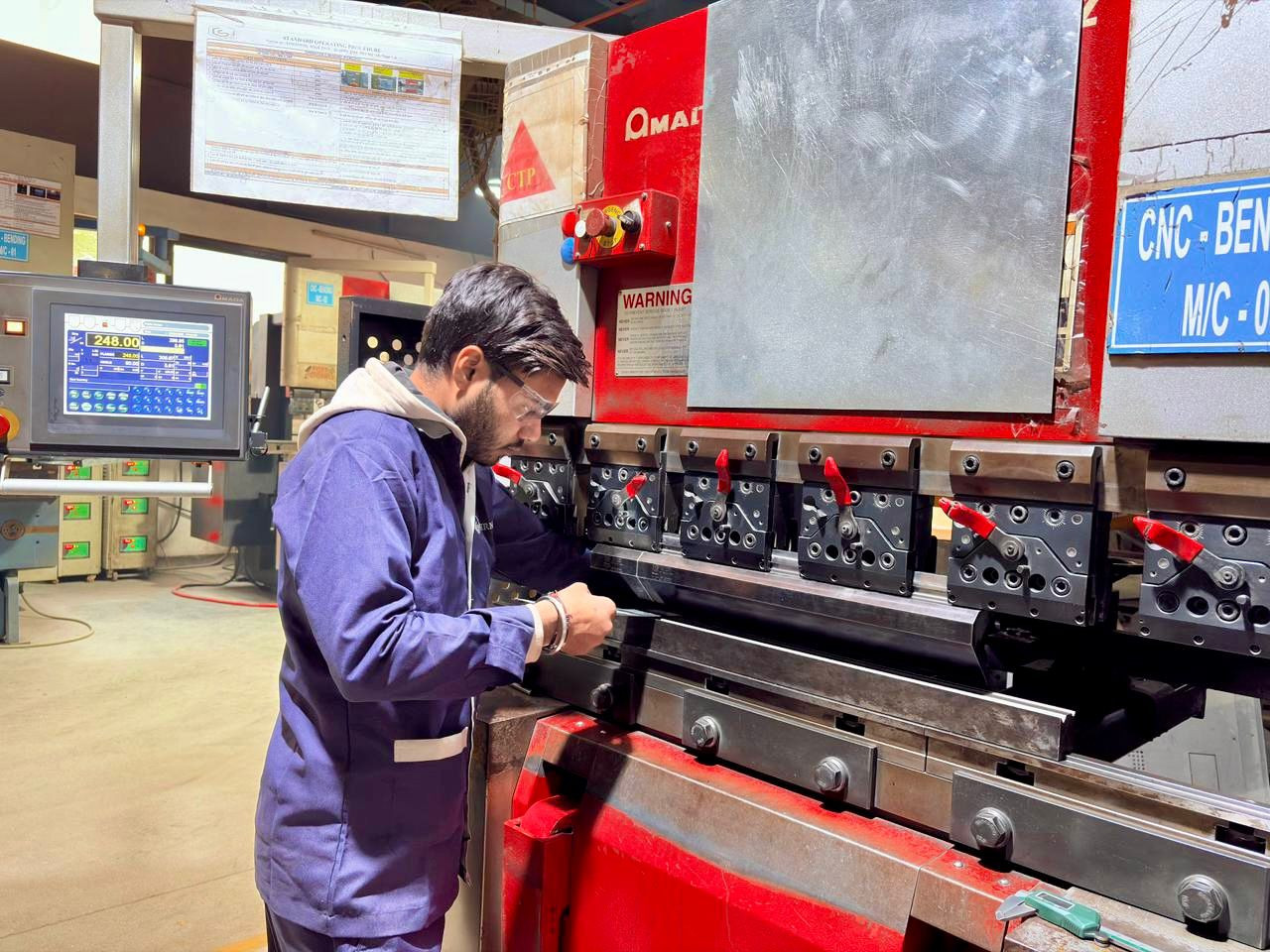
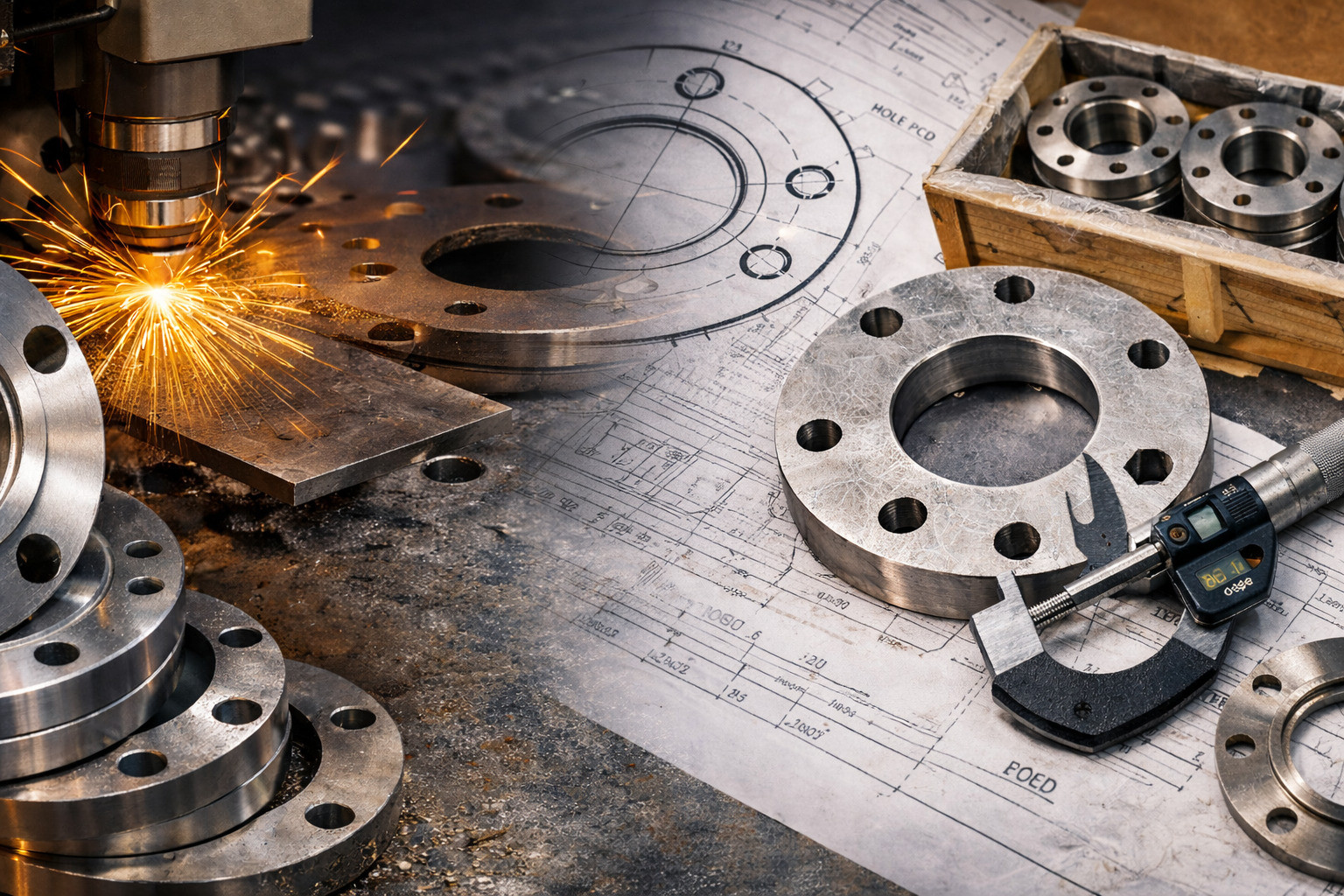
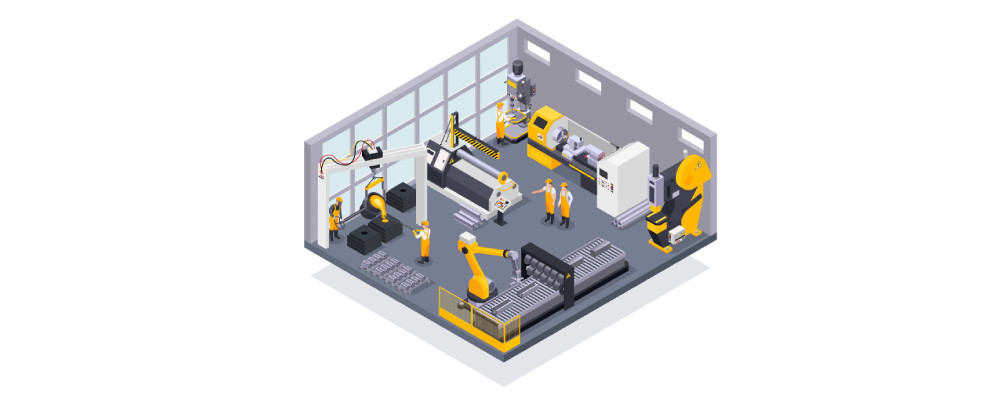
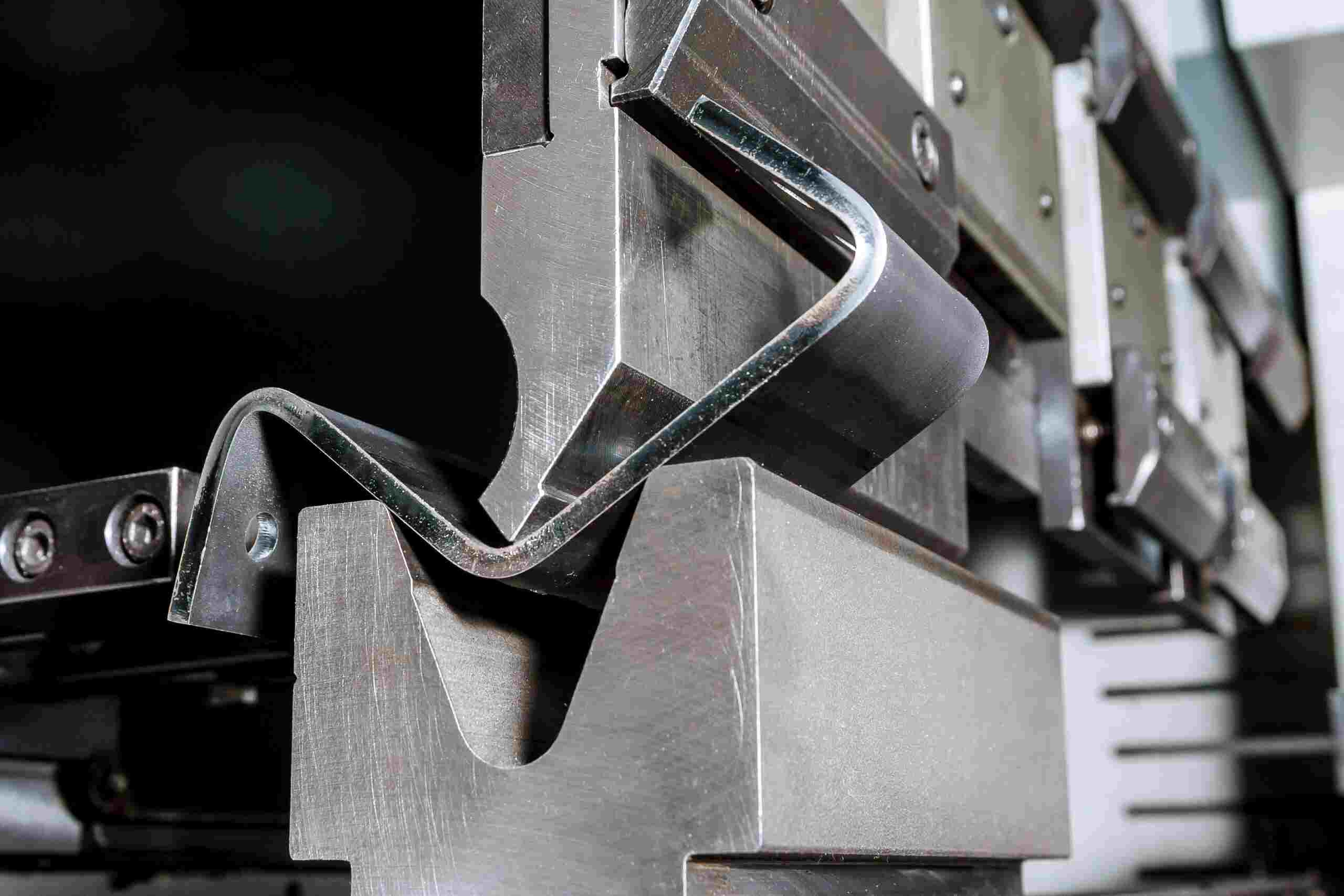
Many suppliers list machines. Very few explain how they use them together. A capable manufacturer should demonstrate a controlled flow (laser/punching → bending → welding → finishing → assembly), with repeatability across batches and tolerances defined by process.
Two parts can look identical and fail very differently in the field. Ask your supplier where material is sourced from, whether grades are documented (CRCA, galvanized, stainless, aluminium), and if mill test certificates / traceability are supported.
Powder coating and surface prep are not cosmetic—they are functional. An export-ready supplier should define pretreatment chemistry, powder brand/formulation, film thickness control, and relevant adhesion benchmarks.
ISO certificates alone do not prevent rework. Look for incoming inspection records, in-process checks (bend angle, weld strength, coating thickness), and final inspection tied to part numbers (not just batches).
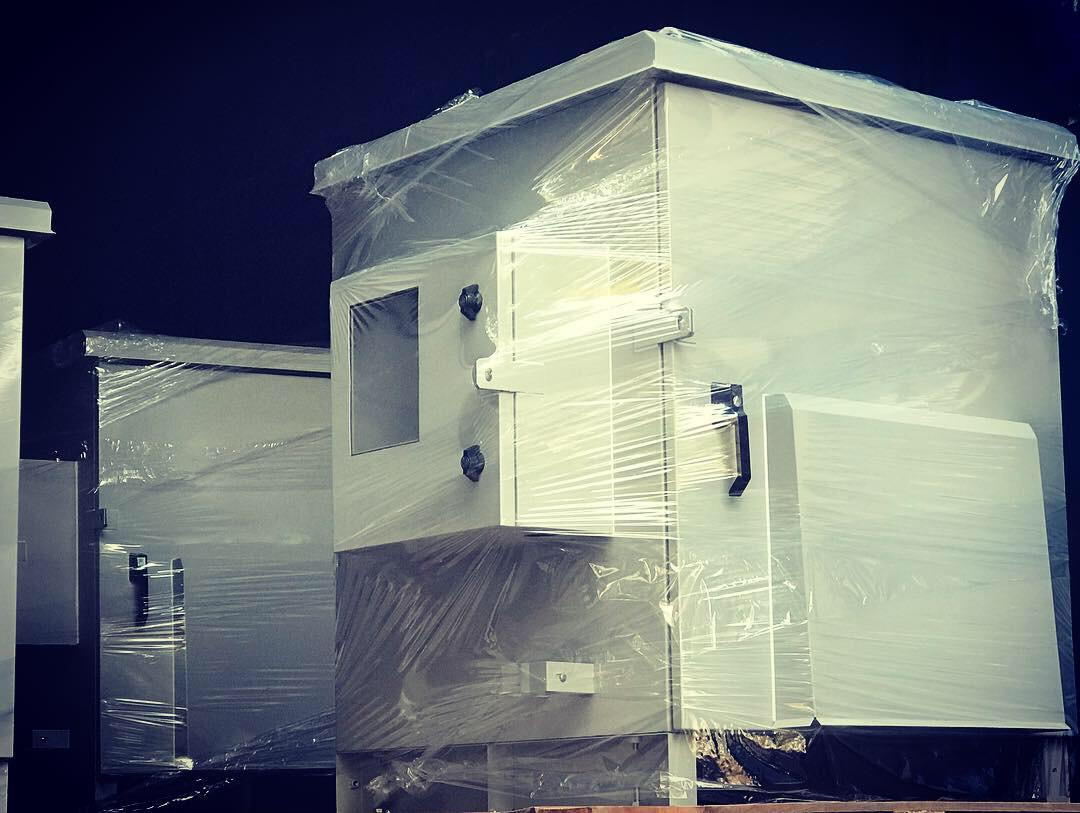
International buyers lose more money on damaged shipments than on price differences. Export-ready packaging should consider corner protection (paper pulp / moulded fibre), plastic-free compliance where required, palletization logic, stackability, and test readiness.
A capable manufacturer will co-design packaging with you, not default to bubble wrap.
Reliable sourcing partners separate sample pricing from mass production, credit tooling logically on scale-up, and clarify what is included vs excluded (hardware, fasteners, gaskets, documentation).
You should feel confident proceeding when:
If any of these feel uncertain, delays and cost escalation are likely.
We support global sourcing teams with in-house sheet-metal fabrication and enclosure manufacturing, controlled finishing and assembly, export-ready packaging strategies, and transparent sampling and production pricing.
Our role is not to be the lowest quote—but the lowest risk manufacturing partner.
Request a technical discussion before sending an RFQ. We’ll align on specs, finish, packaging, and documentation upfront.






-20082508144130.jpg)
-20082508385589.jpg)


-29112509574730.jpg)