Sheet Metal Enclosures in Telecom: Key Benefits and Best Practices
Telecom Enclosures • Buyer Guide + RFQ Tool
Sheet Metal Enclosures in Telecom: Key Benefits and Best Practices
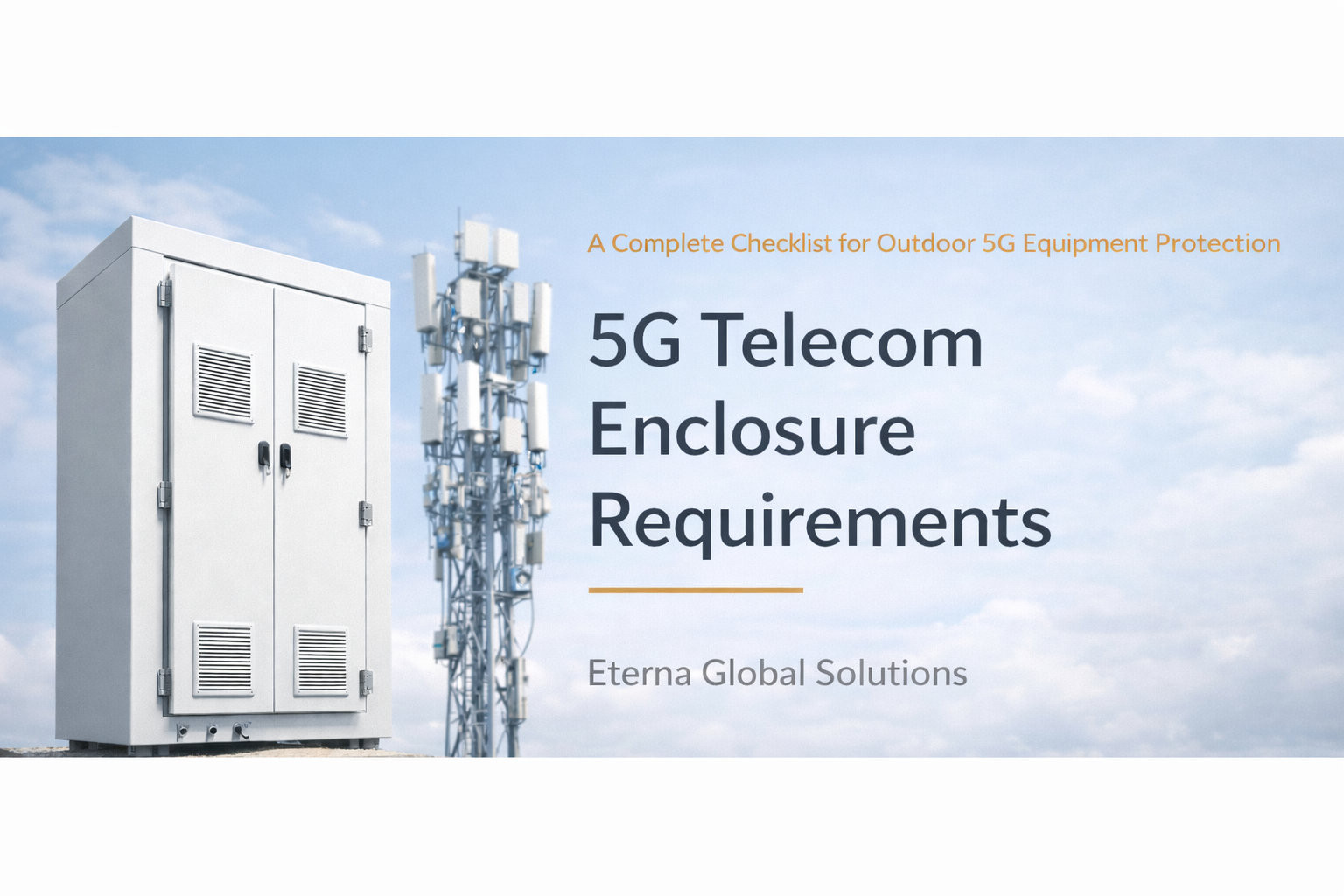
Telecom hardware fails in the real world for boring reasons: dust, water ingress, heat, corrosion, cable-entry mistakes, and rushed field servicing. This guide explains what matters—and the Spec Builder below generates an RFQ-ready enclosure specification you can send instantly.
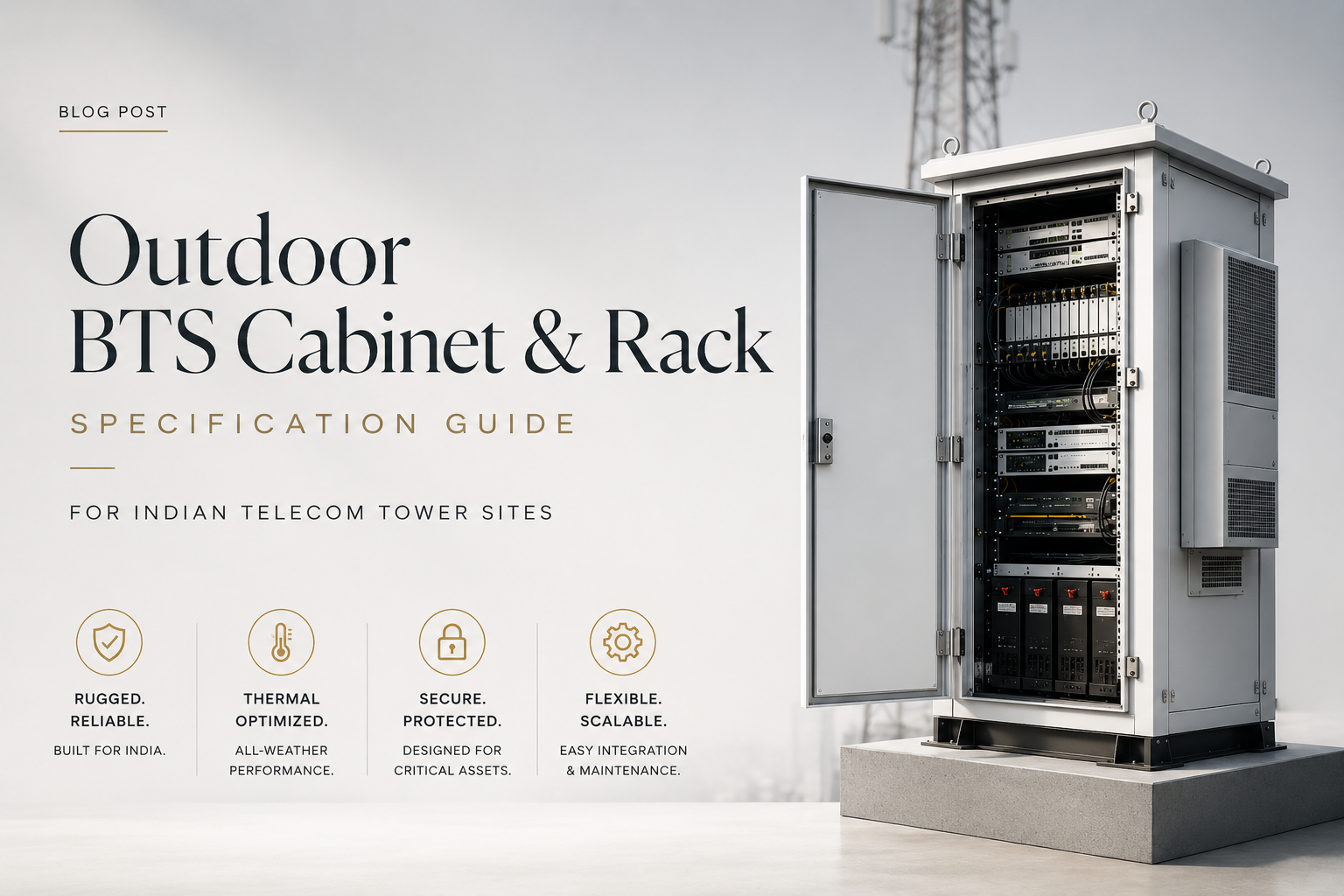
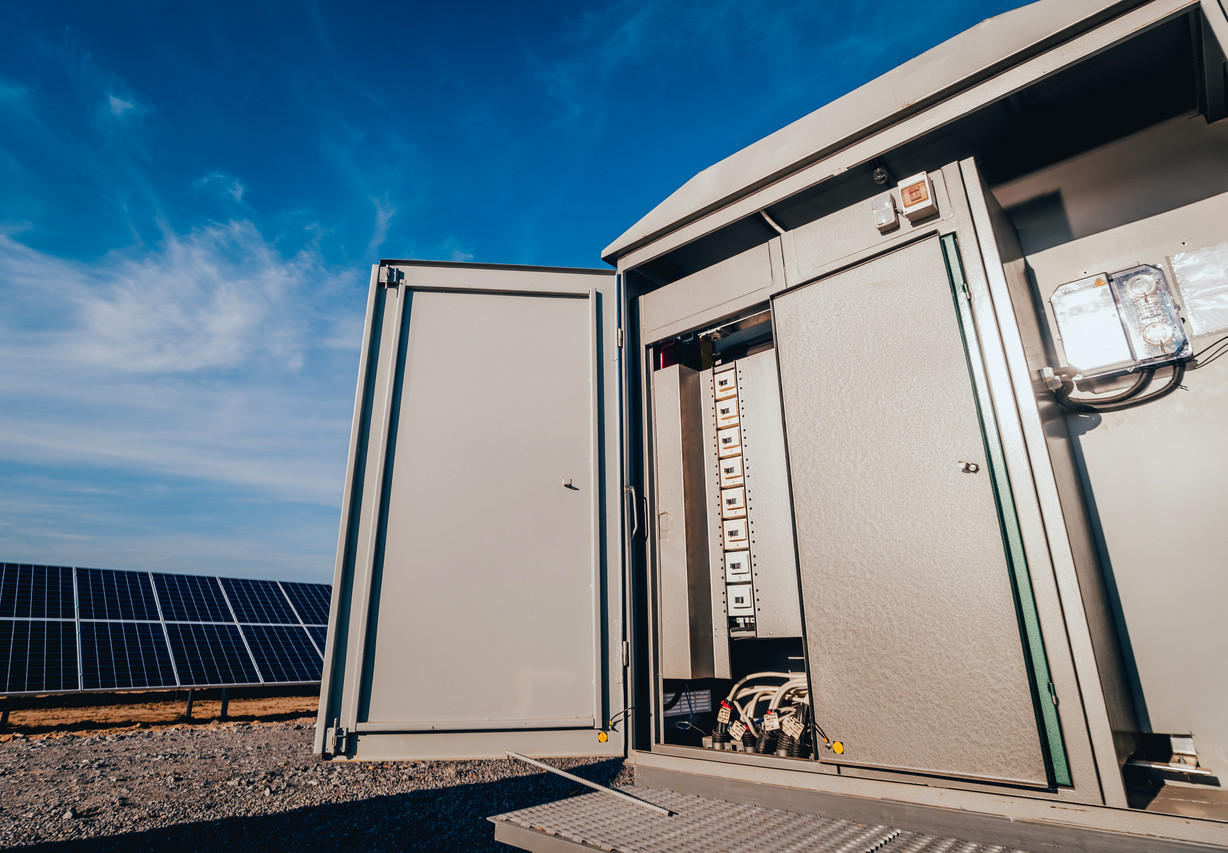
A telecom enclosure is not “just a box”. It’s the barrier between sensitive electronics and a harsh environment—plus the interface for field technicians who must service equipment quickly and safely. A good enclosure reduces downtime, increases hardware life, and makes maintenance predictable.
Rule #1: If you don’t specify the environment + cable entry + heat load, you’re not specifying an enclosure—you’re guessing.
Key benefits (what buyers actually get)
Ingress protection
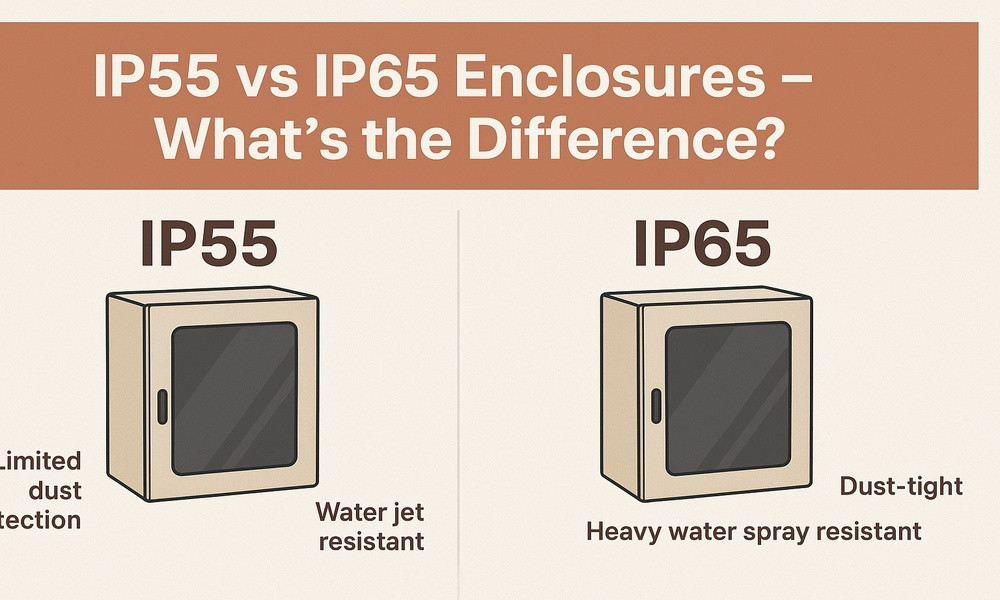
Dust and water resistance depends on gasket design, compression, cable glands, and drainage—more than the “IP number” alone.
Thermal reliability
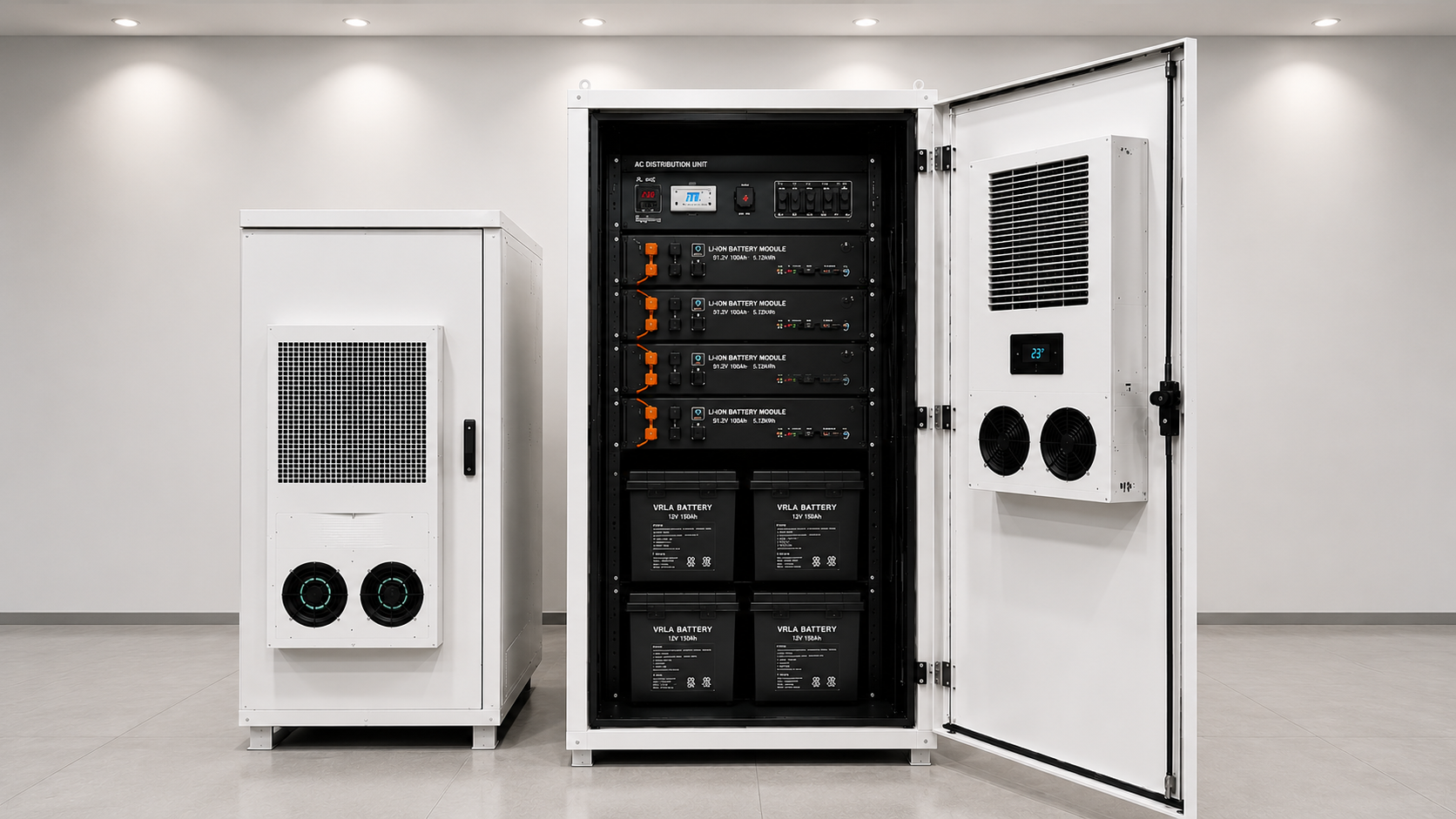
Heat kills electronics. Correct airflow/cooling and solar load considerations prevent throttling and premature failures.
Corrosion control
Material choice + coating system + edge treatment decides long-term outdoor life, especially in coastal or industrial zones.
Serviceability & safety
Good access, mounting provisions, bonding/earthing, and cable management reduce maintenance time and field errors.
Best practices for specifying telecom enclosures
1) Start with the environment (not the dimensions)
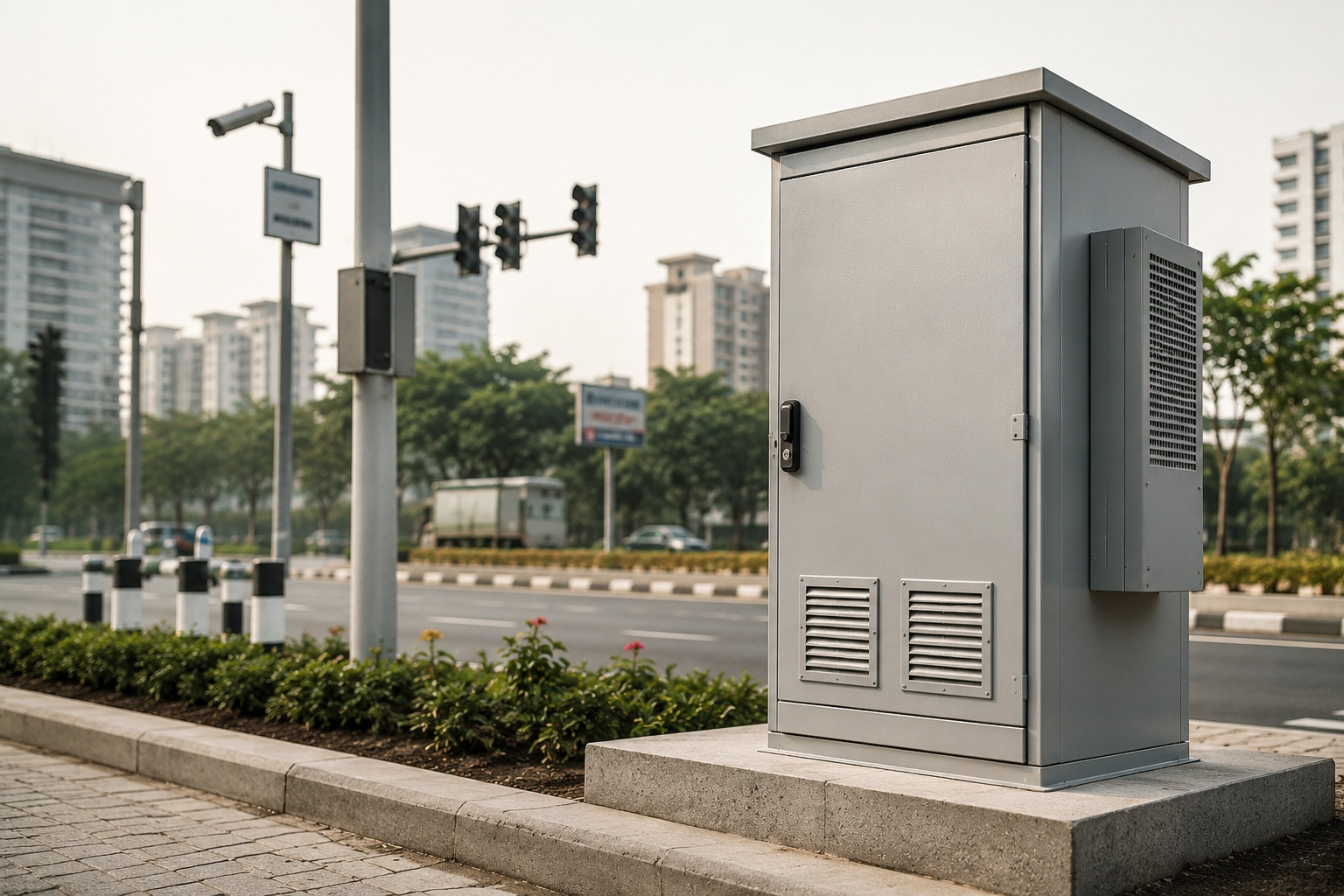
Define the installation type: rooftop, street-side, coastal, desert dust, industrial pollution, or indoor telecom rooms. This drives IP, sealing strategy, coating stack, fastener selection, and thermal approach.
2) Treat cable entry as a design feature
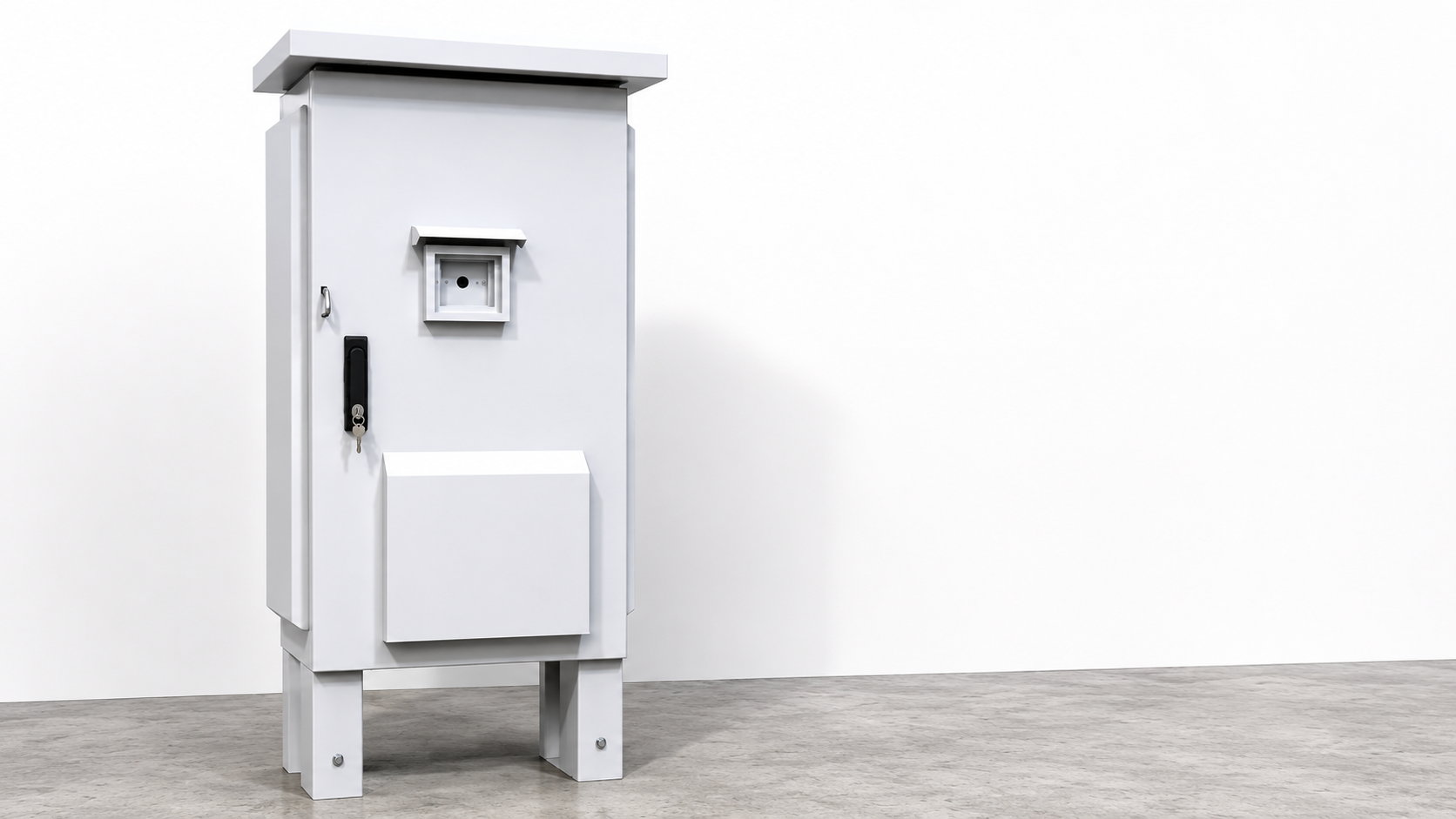
Most “IP failures” happen at cable entry. Specify a removable gland plate, drip loops, and gland selection. If installers drill random holes in the field, your IP rating collapses.
3) Specify thermal inputs
Provide heat load (W), ambient temperature range, solar exposure, and whether filters can be maintained. Then choose: natural ventilation, filtered fans, heat exchanger, or AC unit.
4) Material + finish should match deployment life
Galvanized steel (GI) + outdoor powder: best value for most outdoor deployments.
SS304: harsh/coastal environments with long service life expectations.
Aluminium: weight-sensitive applications and certain corrosion scenarios.
Common buyer mistakes (avoid these)
Only specifying “IP65” with no gland/cable entry plan.
No heat load given ? wrong thermal approach chosen.
Ignoring edge/cut protection and drainage paths.
No packaging spec for export shipments (damage on arrival).
Interactive Spec Builder + RFQ
Fill this tool and click Generate Spec. Then click Send RFQ. You must enter your name and a valid email to submit.
Telecom Enclosure Spec Builder (RFQ-ready output)
Name + Email required. Green confirmation will appear after send.
Send RFQ
Your namerequired
Your emailrequired
Environmentsite condition
Ingress ProtectionIP rating
Dimensions (mm)W×D×H
Materialbase metal
Finishcoating system
Heat load (W)thermal input
Thermal approachcooling
Optionstick what you want
Notes / complianceoptional
Please enter your name and a valid email to send the RFQ.








-20082508144130.jpg)
-20082508385589.jpg)



-29112509574730.jpg)

-18122502213226.png)