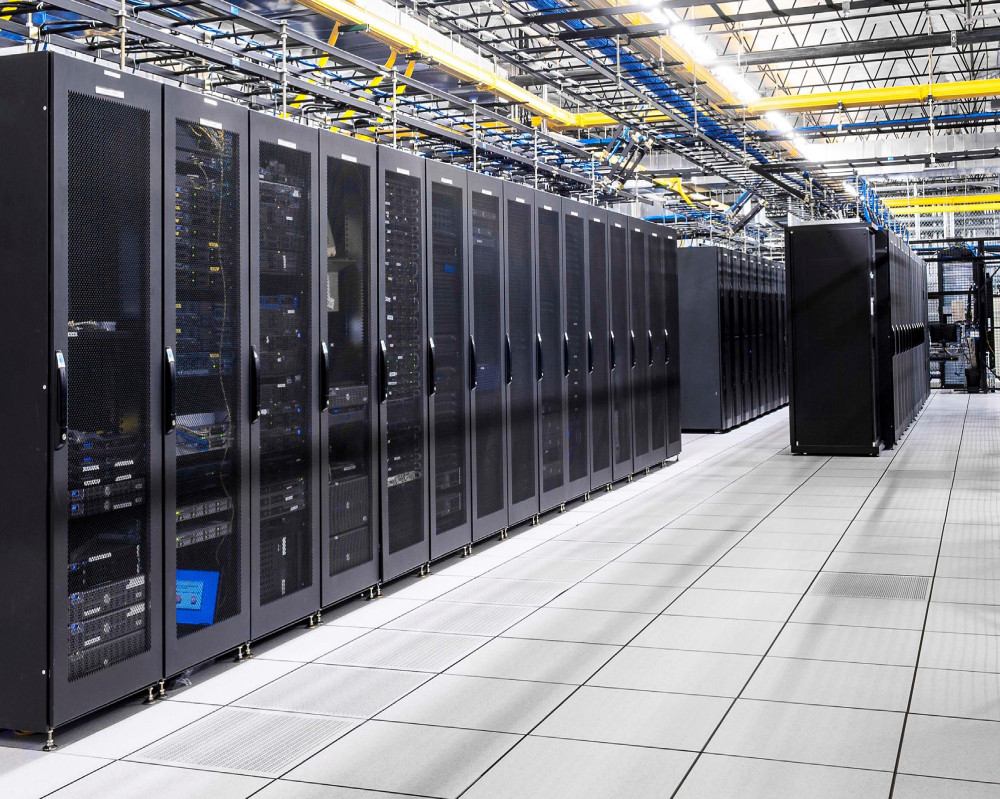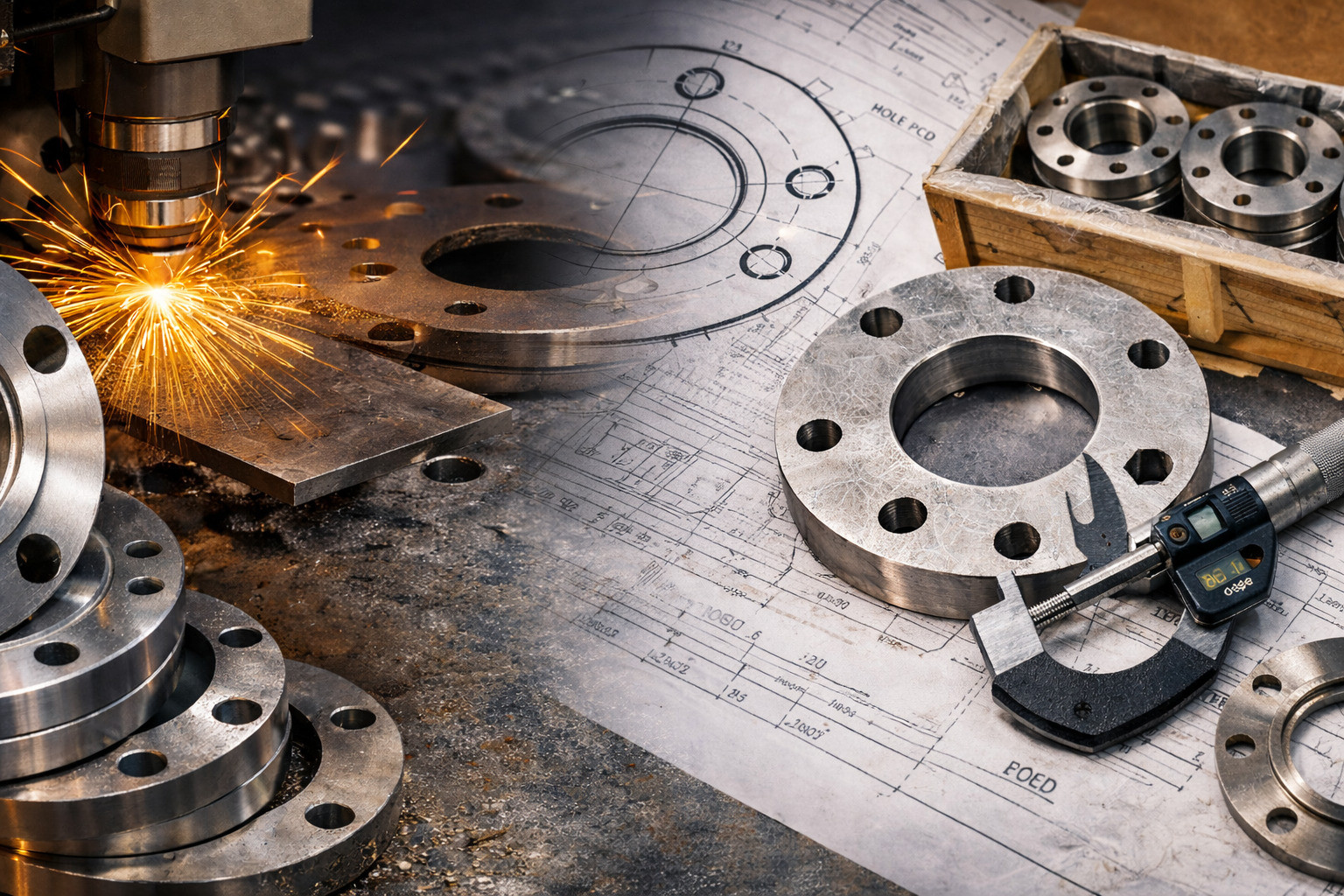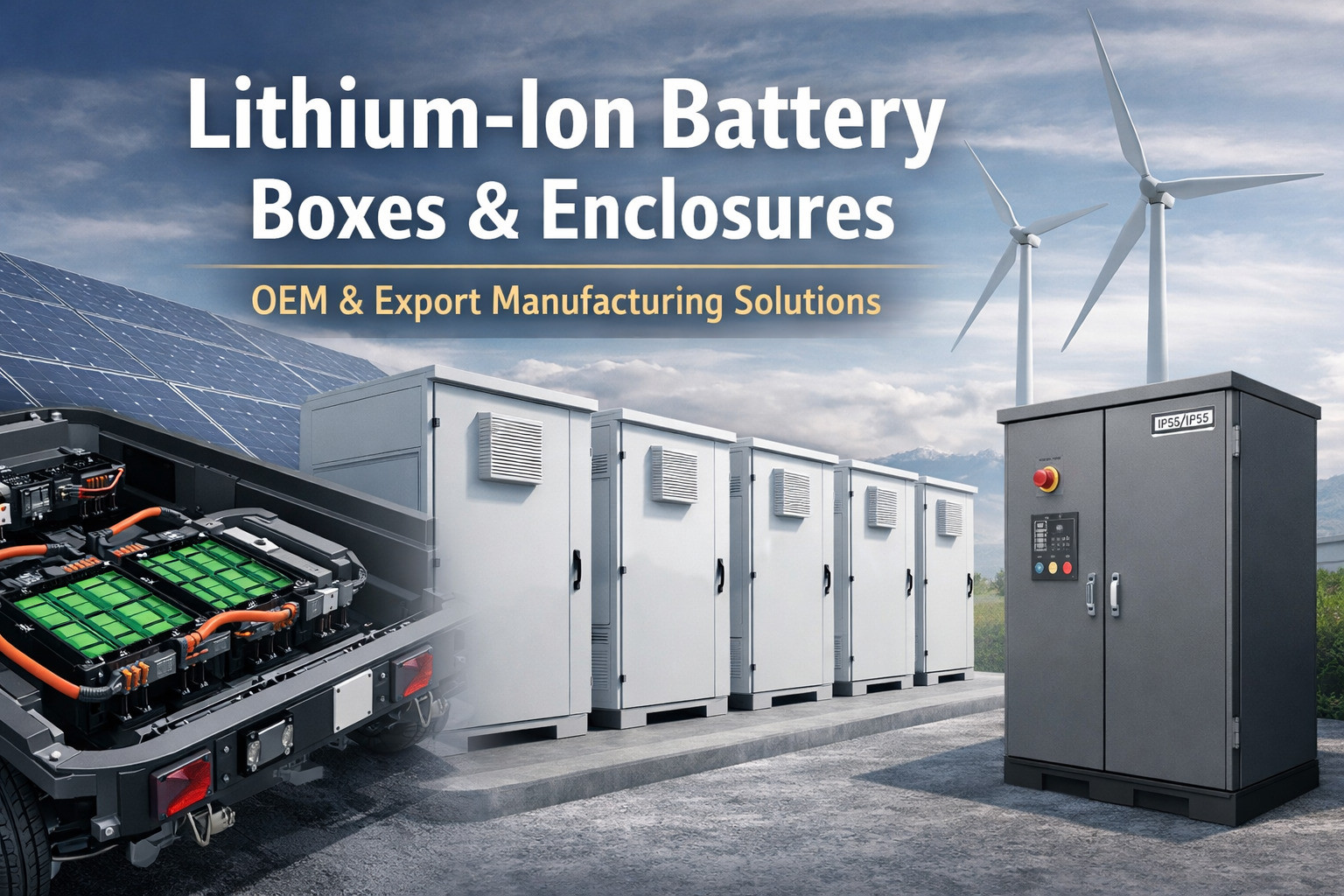

As global supply chains continue to diversify, international buyers are increasingly sourcing sheet metal parts, server racks, and industrial enclosures from export-ready manufacturers across Asia. However, successful global sourcing requires more than competitive pricing—it demands engineering capability, process discipline, and export reliability.
This guide is written for OEMs, data-center integrators, telecom companies, EV infrastructure providers, and industrial brands looking to source fabricated metal products with confidence.
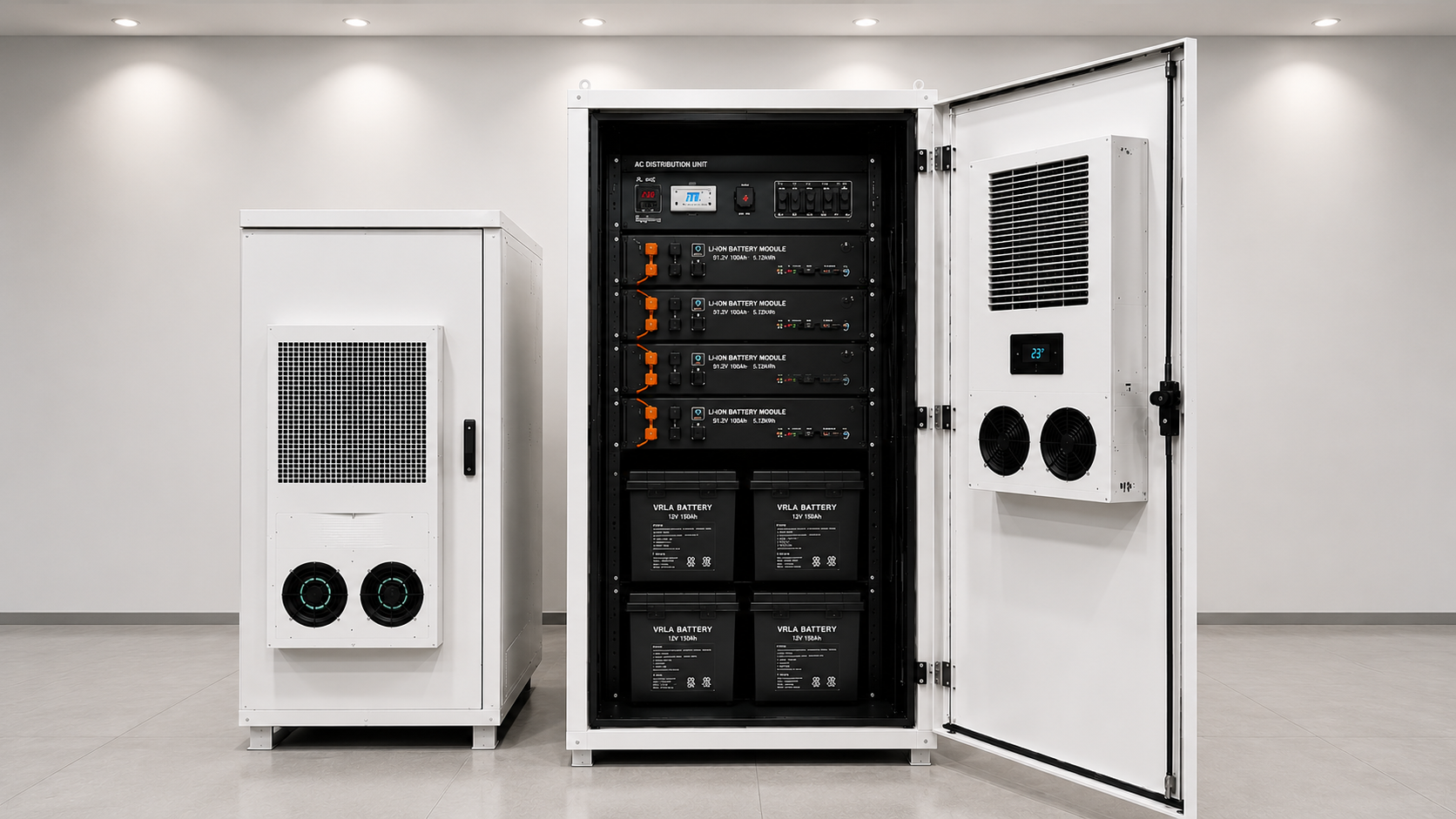
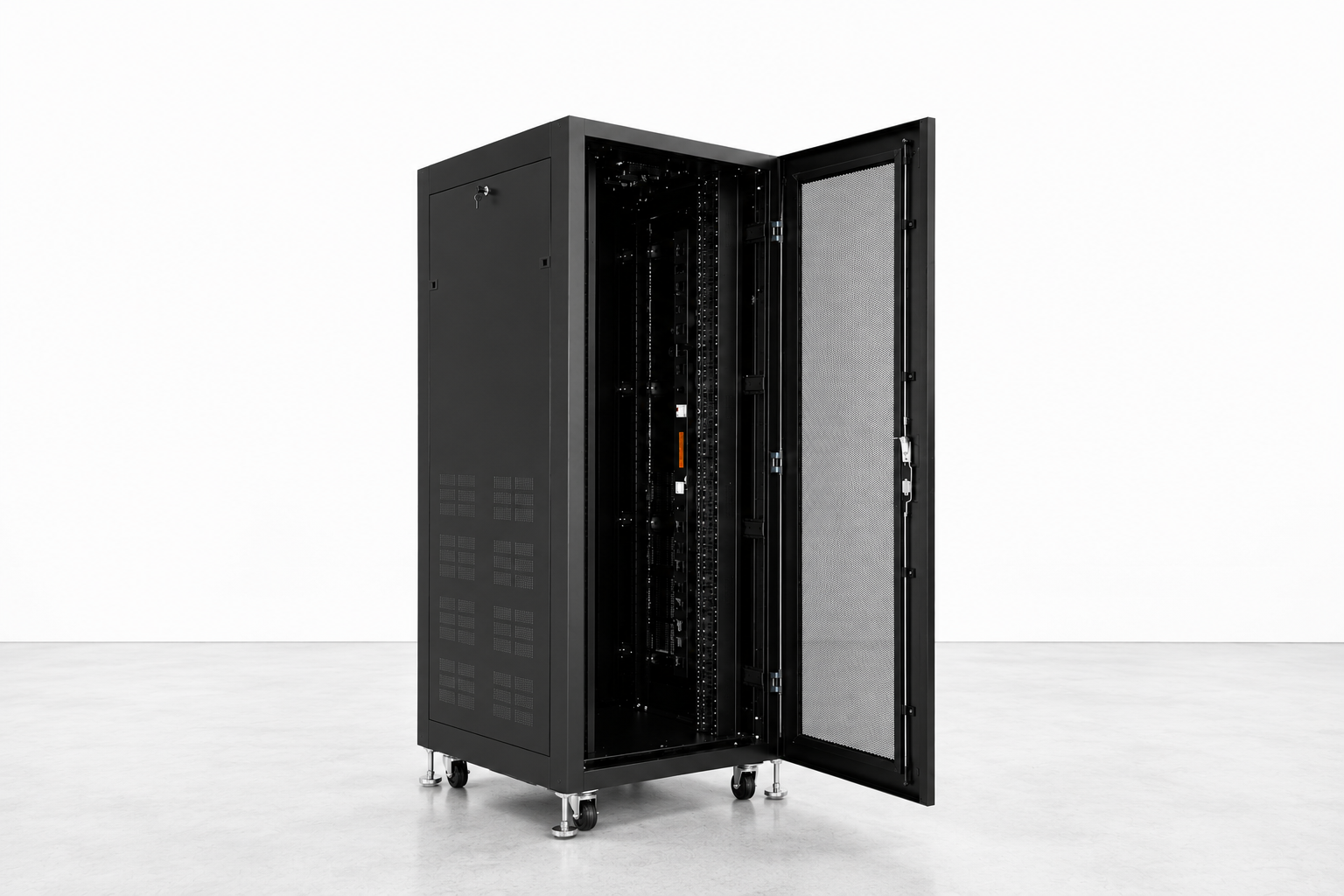
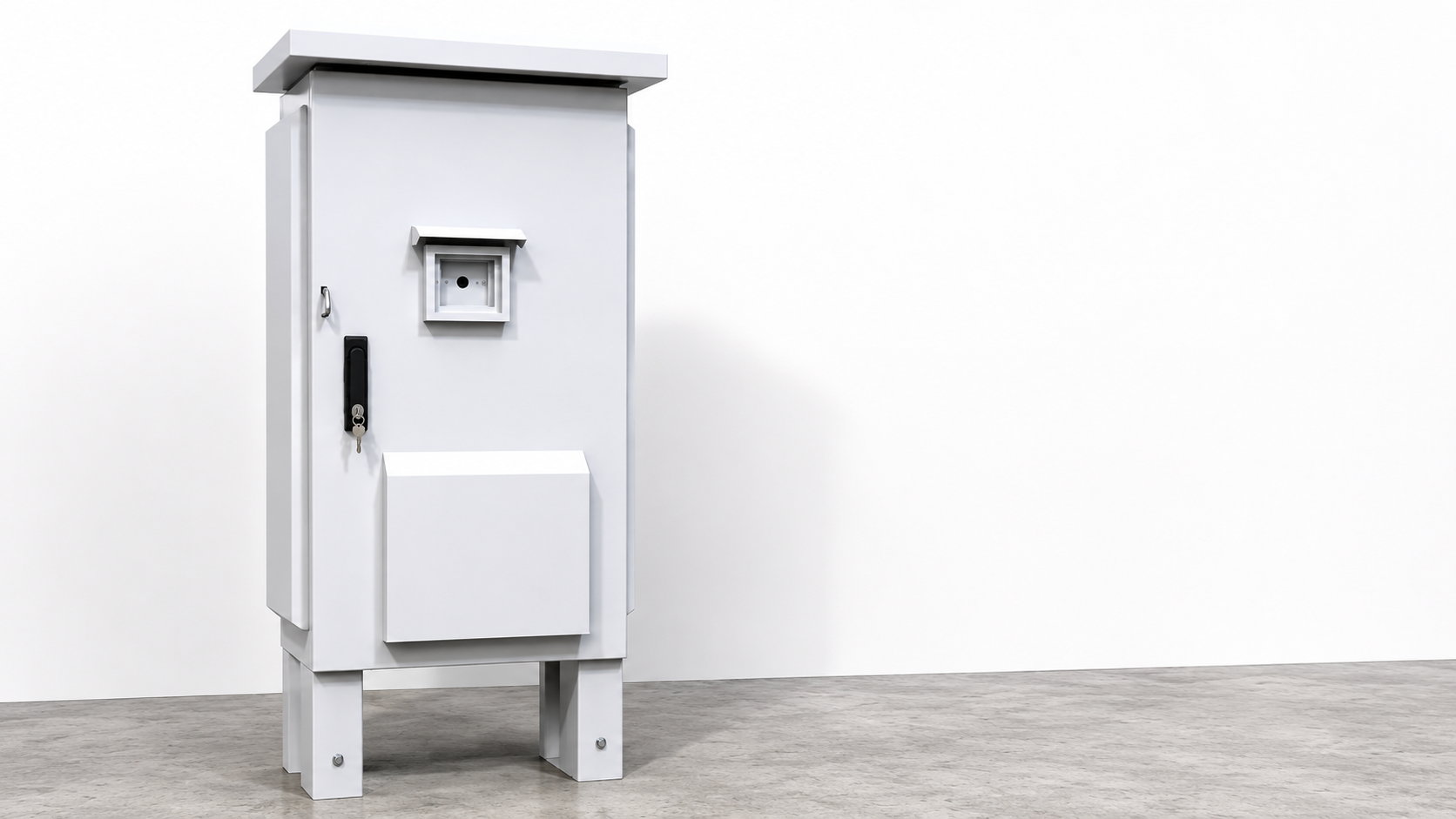
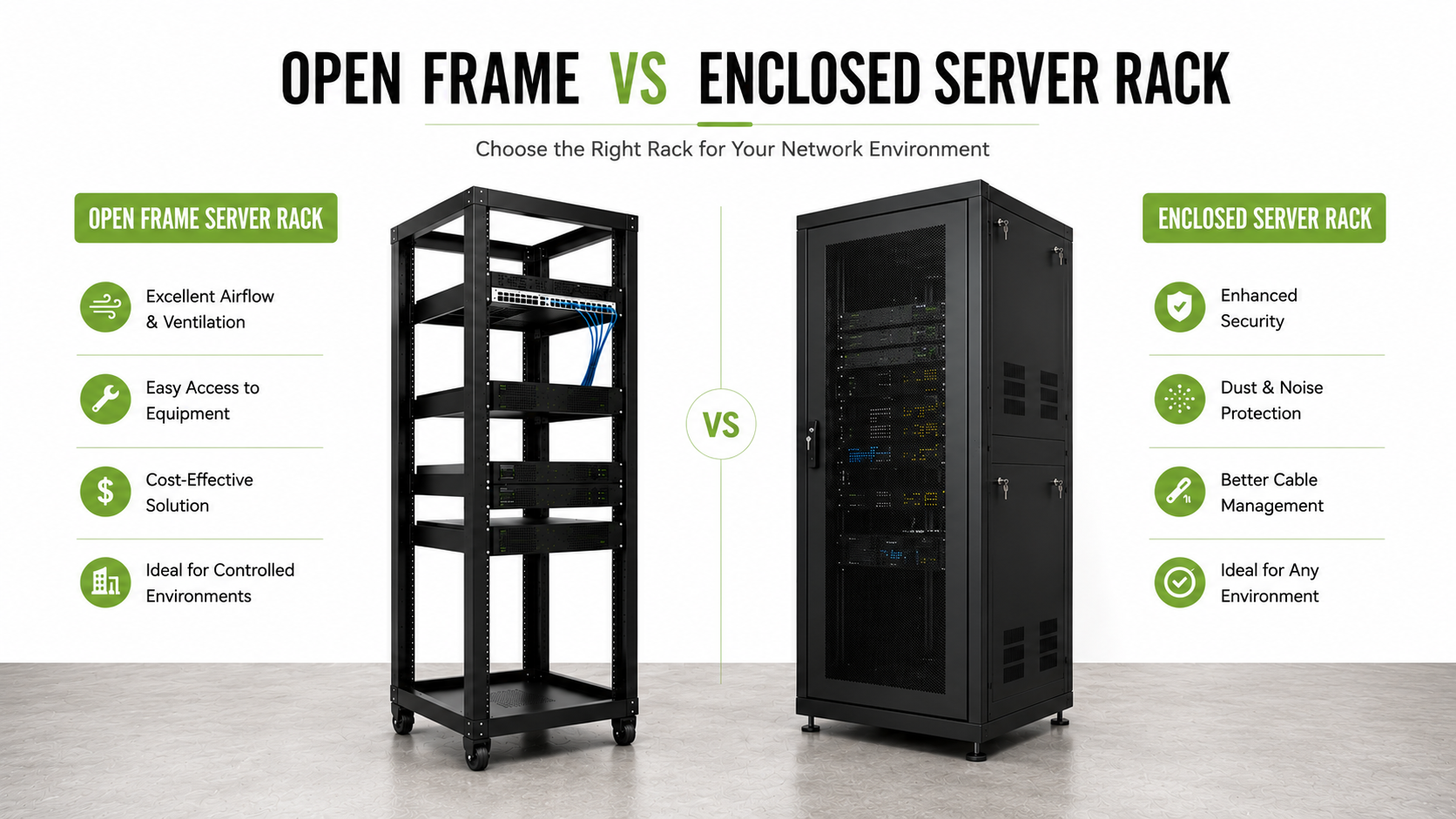
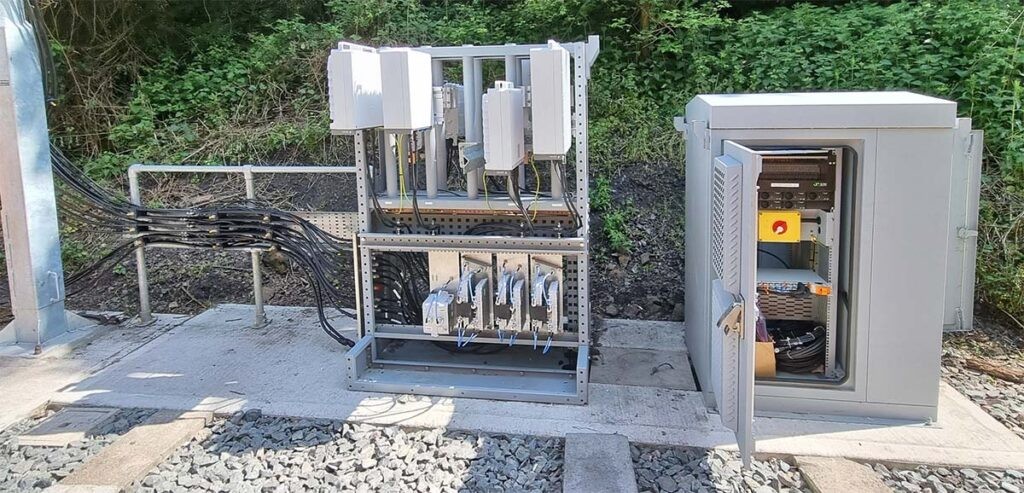
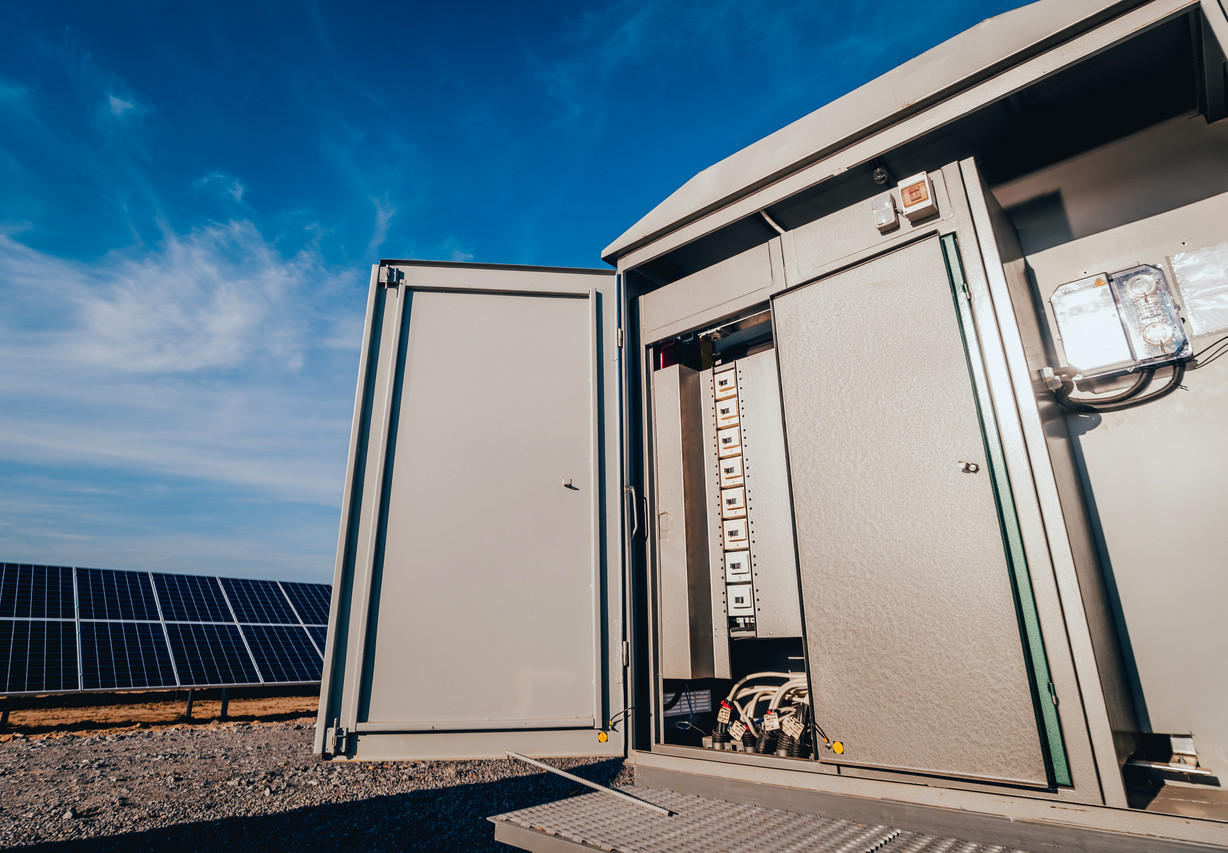
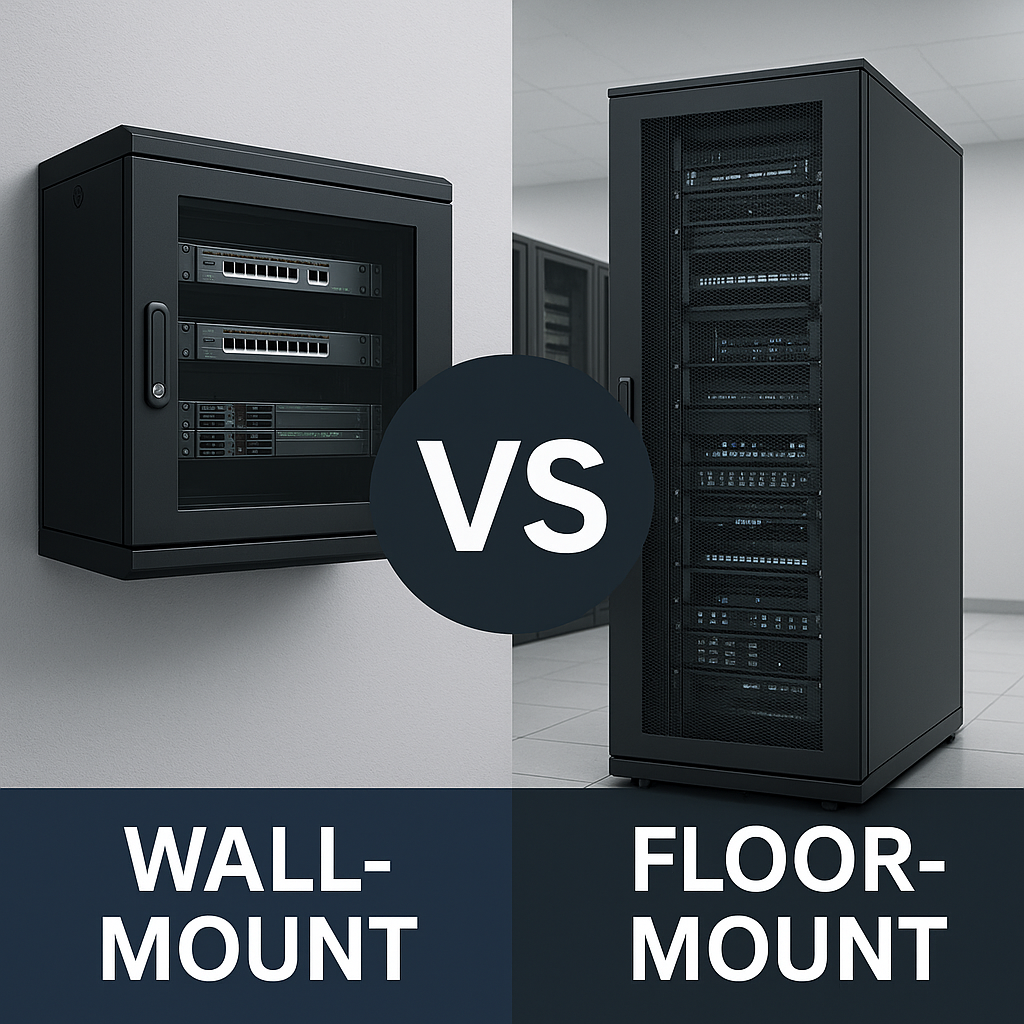
Rising domestic manufacturing costs, capacity constraints, and long lead times have pushed global customers to evaluate overseas partners for products such as:
The objective is no longer just cost reduction—it is about finding long-term, technically capable manufacturing partners.
International buyers typically evaluate suppliers across five critical dimensions:
Products like server racks and outdoor enclosures demand tight dimensional control, flatness, and finish consistency. Small deviations can lead to:
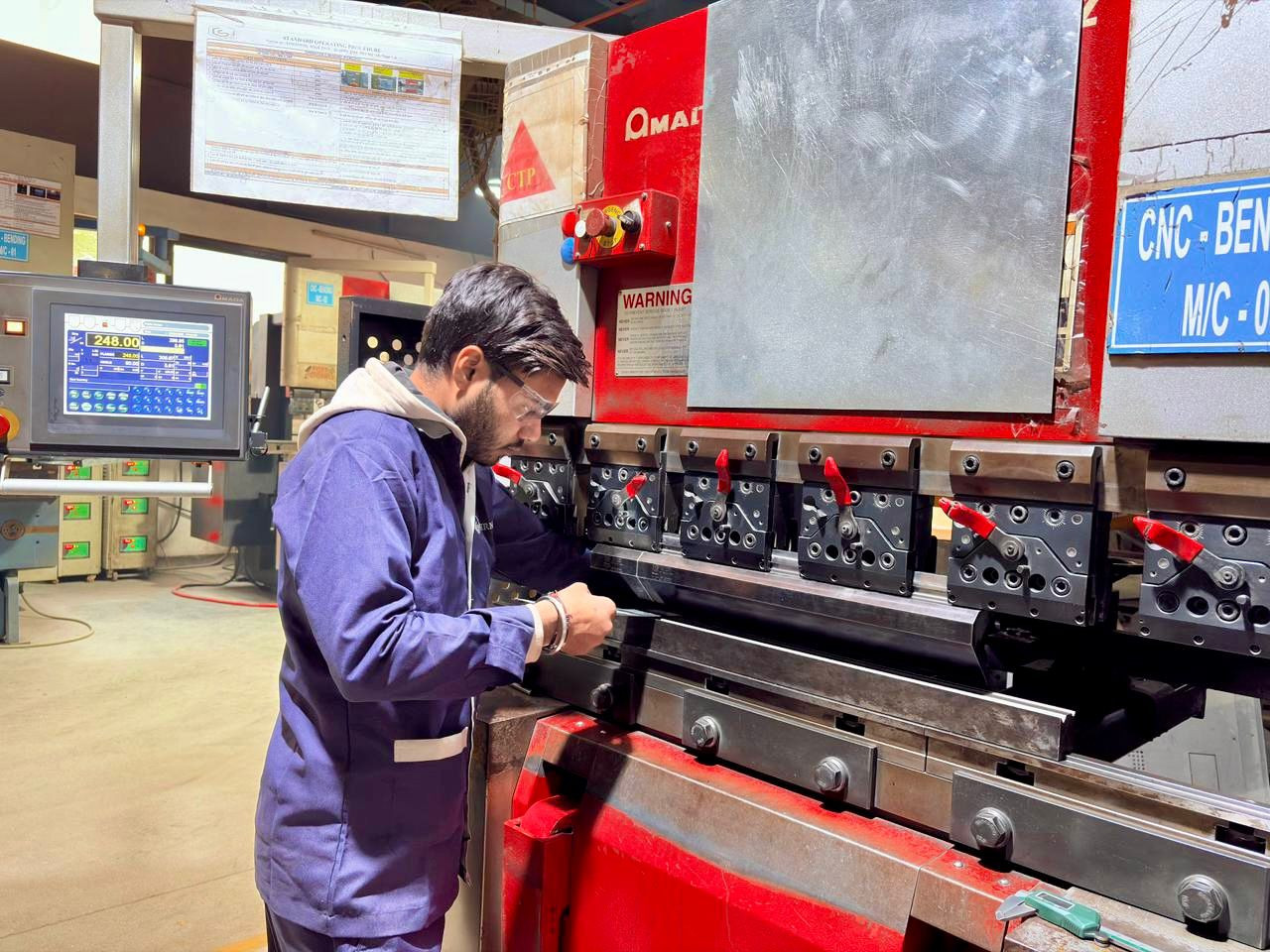
For this reason, experienced global buyers prefer manufacturers with in-house fabrication and assembly under one roof, rather than fragmented outsourcing.
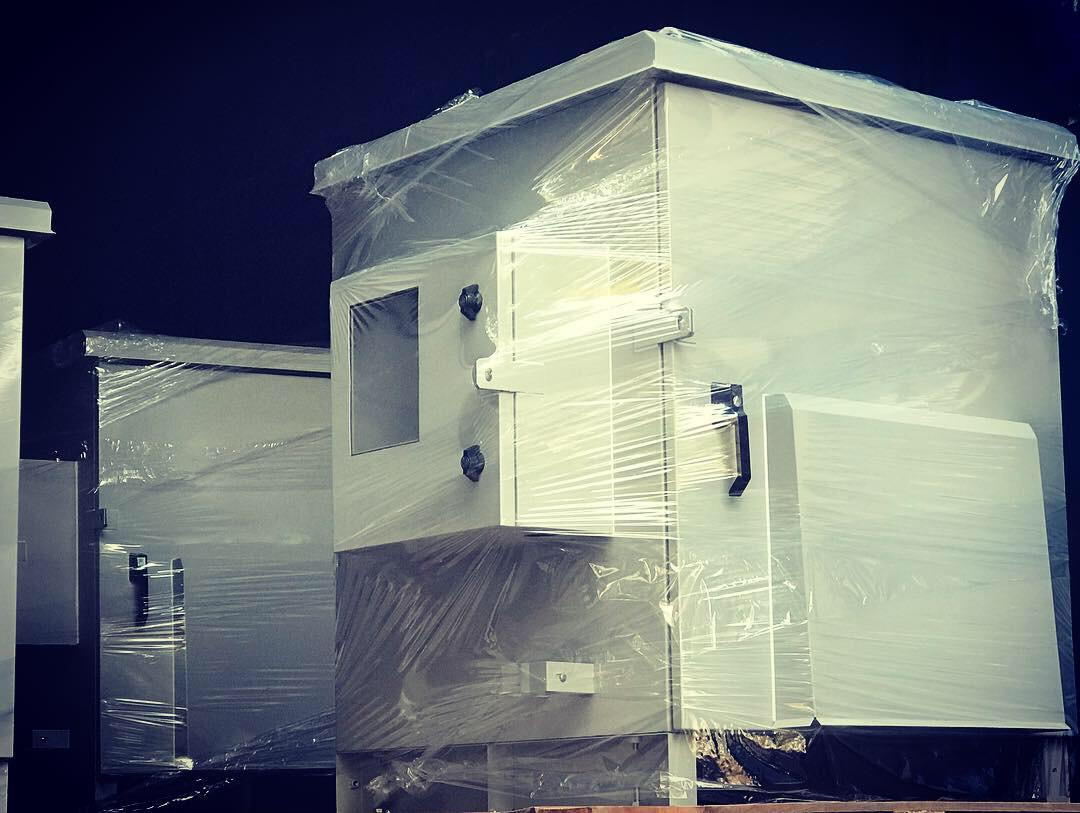
One of the most common failure points in global sourcing is inadequate packaging. Export-ready manufacturers design packaging to withstand:
Paper-based, plastic-free packaging, molded corner protection, and palletization strategies are increasingly demanded by North American and European buyers.
Looking to source sheet metal parts or server racks globally?
Request a quotation or discuss your project with our team ?
Seasoned buyers mitigate risk by:
A transparent supplier will openly discuss limitations, improvement plans, and scalability.
The most successful sourcing relationships are collaborative, not transactional. Manufacturers who invest in:
consistently outperform low-cost, low-engagement suppliers over time.
North America, Europe, the Middle East, and Australia are major markets sourcing fabricated metal parts, server racks, and enclosures from export-oriented manufacturers.
Buyers typically expect ISO-aligned quality systems, material test certificates, and compliance with region-specific standards depending on the application.
Yes—experienced manufacturers routinely handle custom drawings, revisions, and private-label production for global OEMs.
Sampling timelines typically range from 2–4 weeks depending on complexity, tooling requirements, and finishing processes.




-20082508144130.jpg)
-20082508385589.jpg)


-29112509574730.jpg)
-18122502213226.png)