How to Choose the Right Server Rack in 2026: The Ultimate Buyer’s Guide
From the experts at Eterna Global Solutions
Introduction: The Server Rack You Choose Defines Your Entire Network
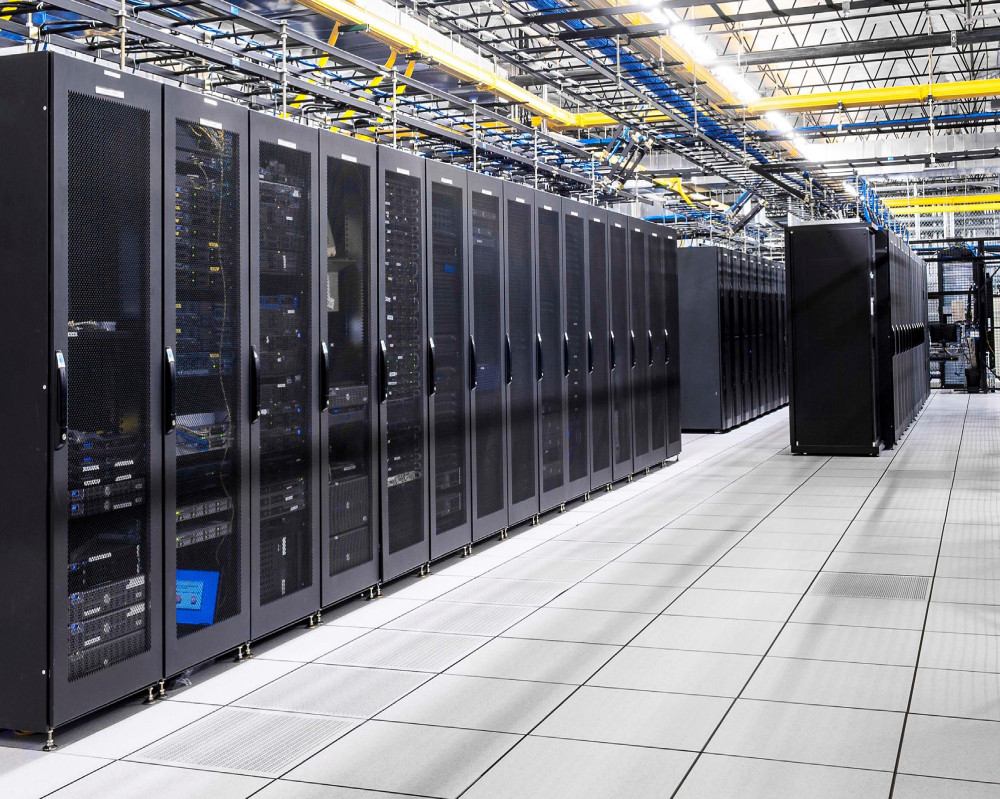
Whether you're setting up a compact office network, building telecom infrastructure, or scaling a data center, your server rack directly affects:
- Network reliability and uptime
- Equipment lifespan and safety
- Cooling performance and airflow
- Cable management efficiency
- Future scalability and expansion
Many buyers still choose racks based only on price and then face overheating, poor fitment, or transit damage. This guide explains the key factors that matter in 2026.
1. Start With the Basics: What Size Rack Do You Really Need?
Rack height is measured in “U” (1U = 44.45 mm):
- 6U / 9U / 12U – Small offices, CCTV, routers
- 15U / 22U – Branch networks, edge IT
- 32U / 36U – Enterprise networking & telecom
- 42U / 45U – Full server / data center deployments
Tip: List all devices, convert to U, then add 20–30% for future expansion.
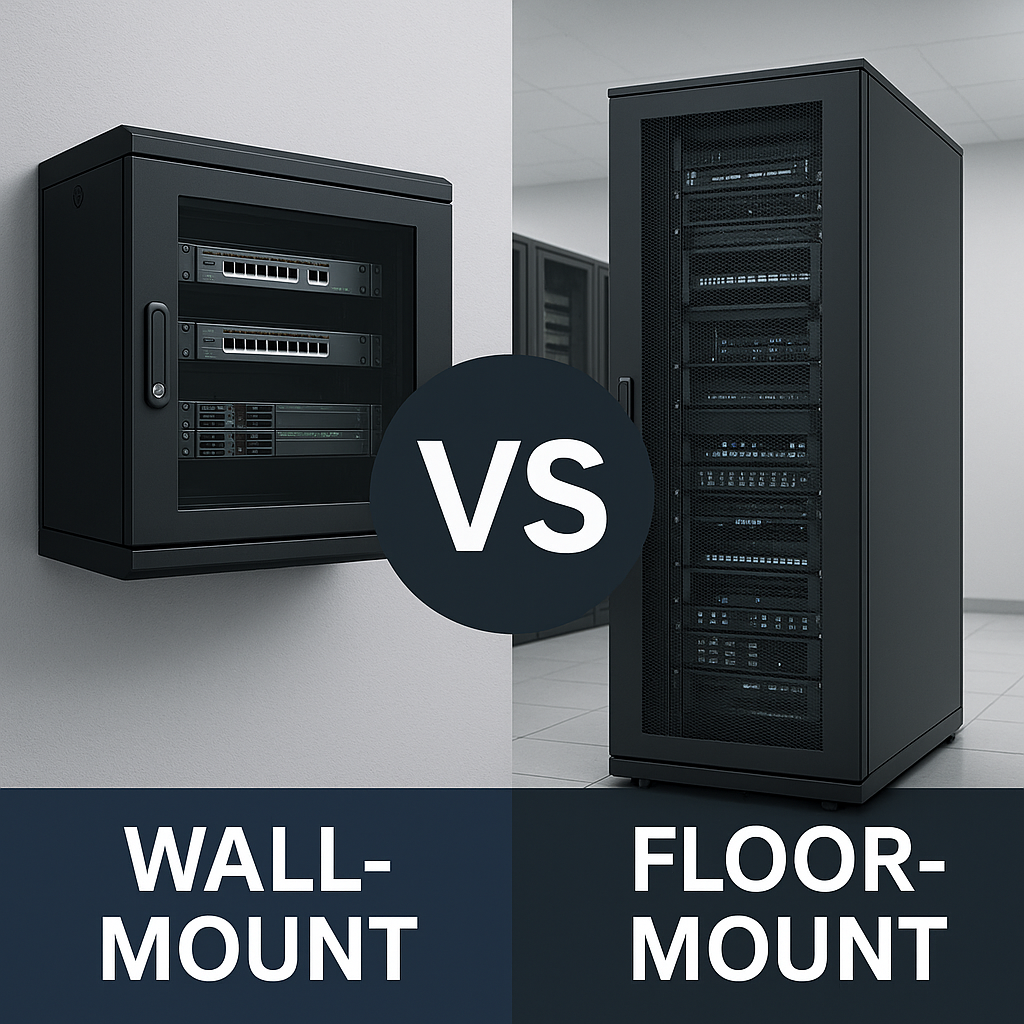
2. Wall-Mount or Floor-Mount: Which One Fits Your Space?
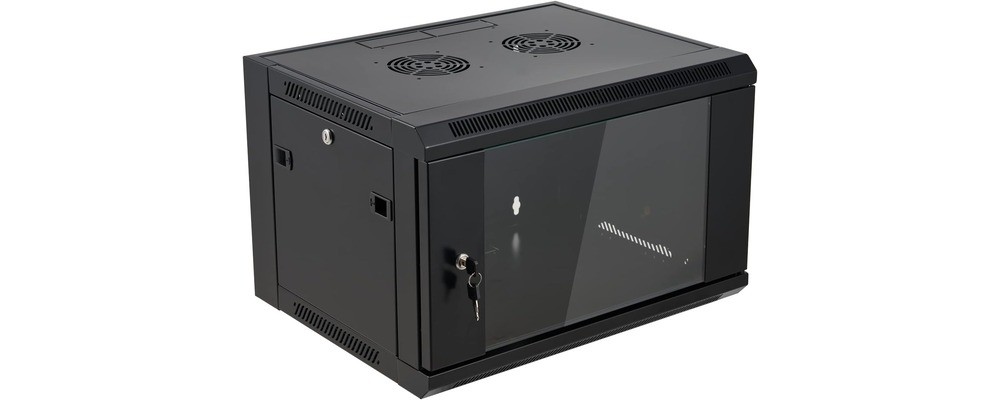
- Small offices and retail spaces
- CCTV and surveillance systems
- Light networking, patch panels, routers
- Limited floor space environments
Floor-Mount Racks
- Server rooms and data centers
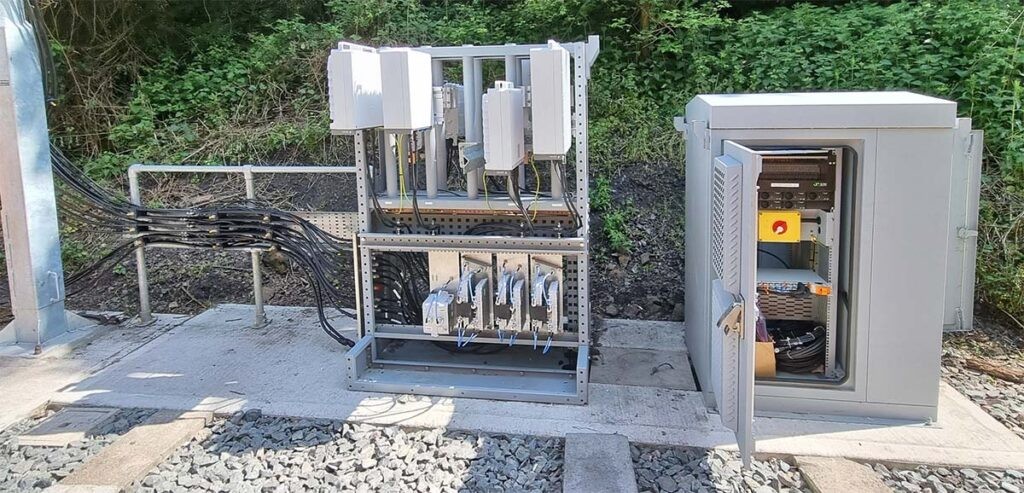
- Telecom & FTTX networks
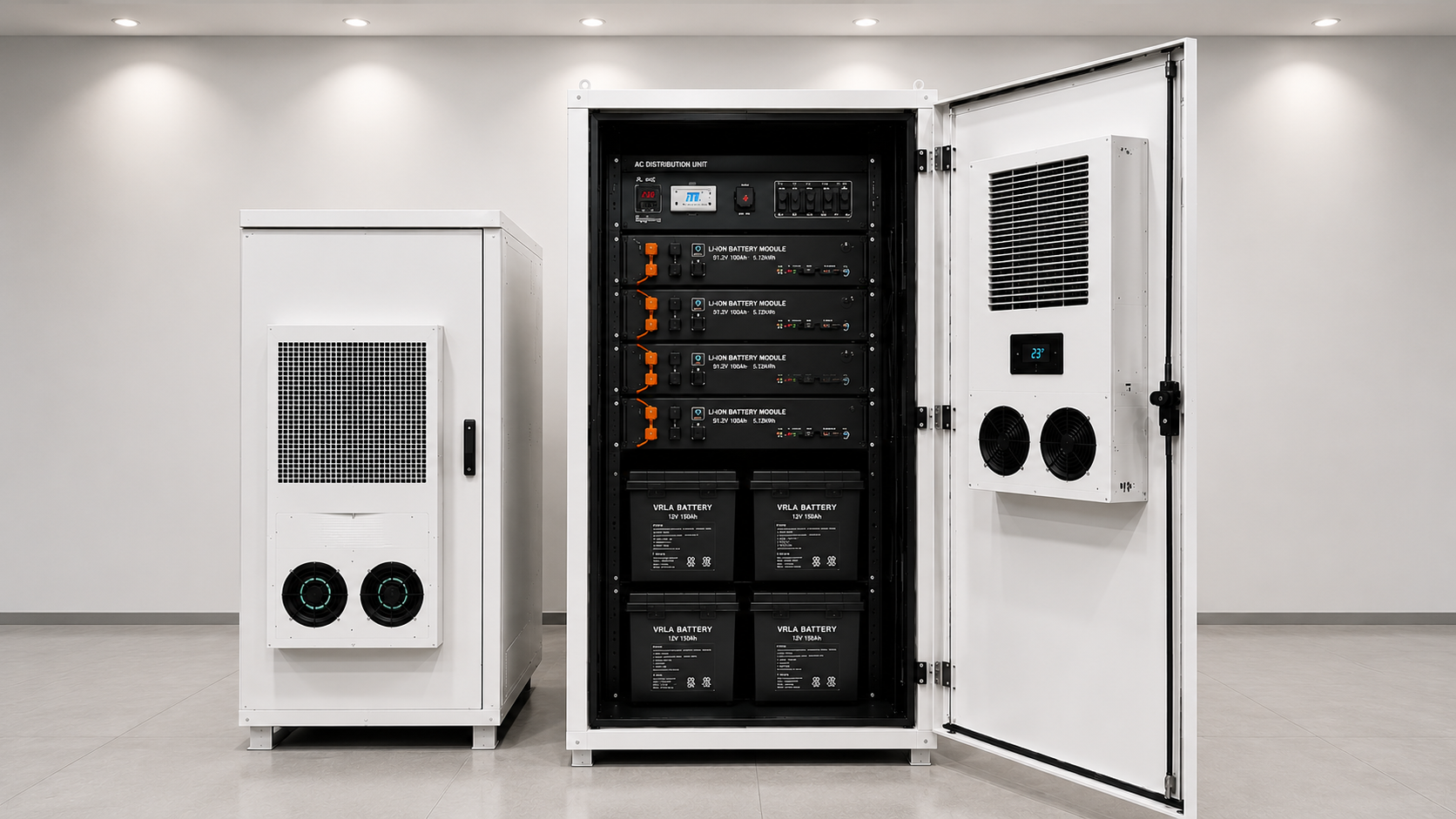
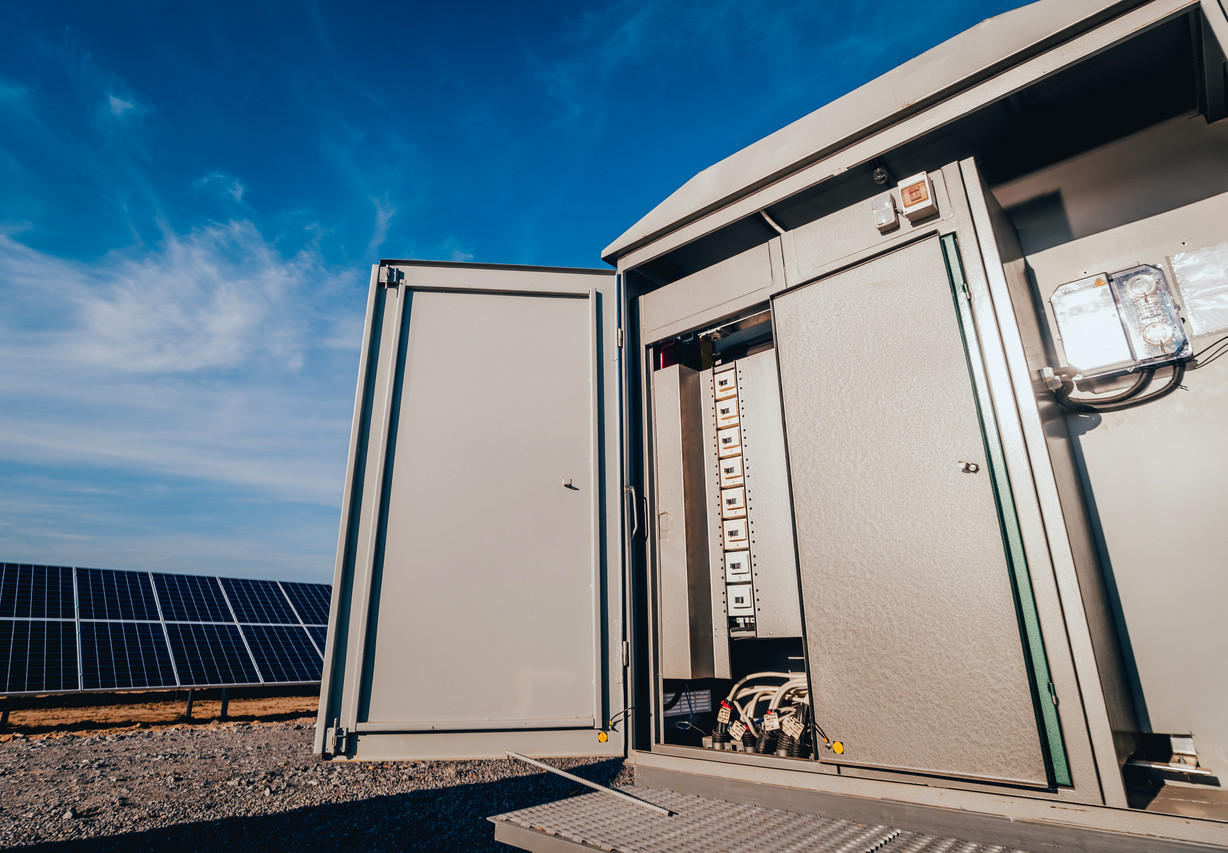
- Solar, UPS & battery storage
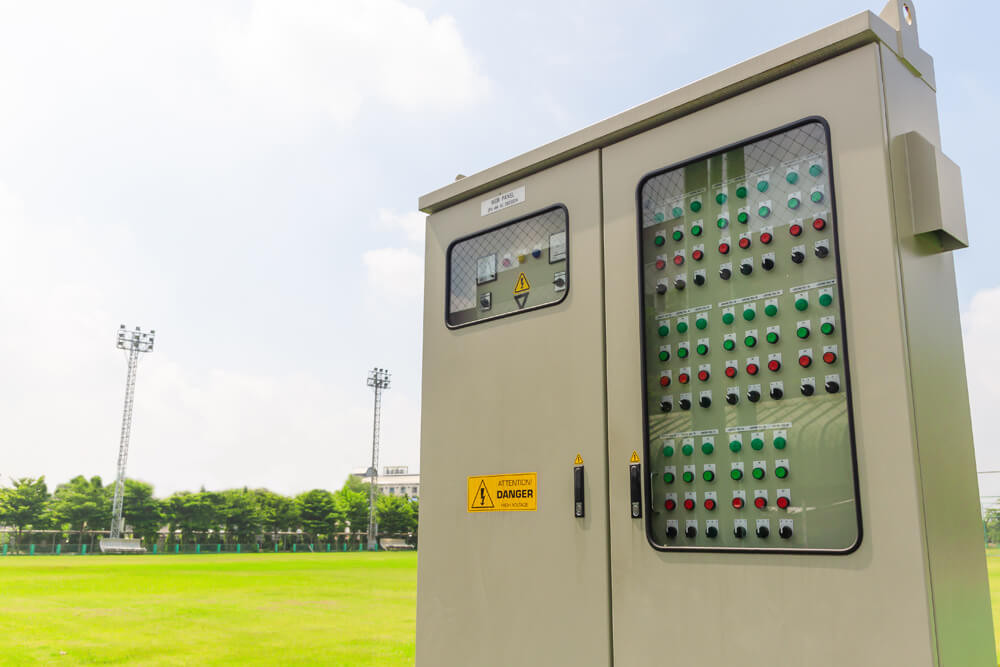
- Industrial automation systems
3. Ventilation & Cooling: Prevent Heat Damage
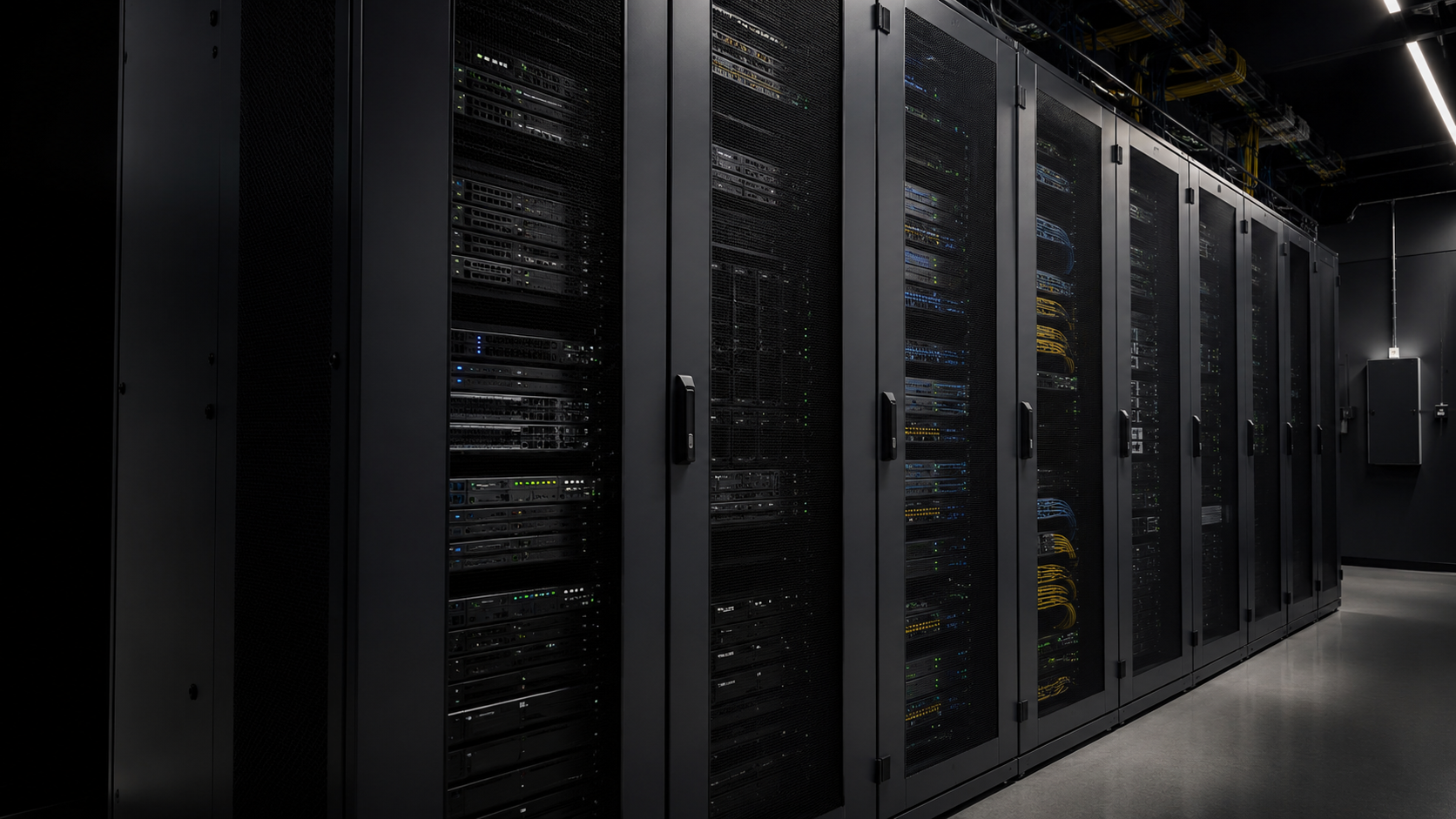
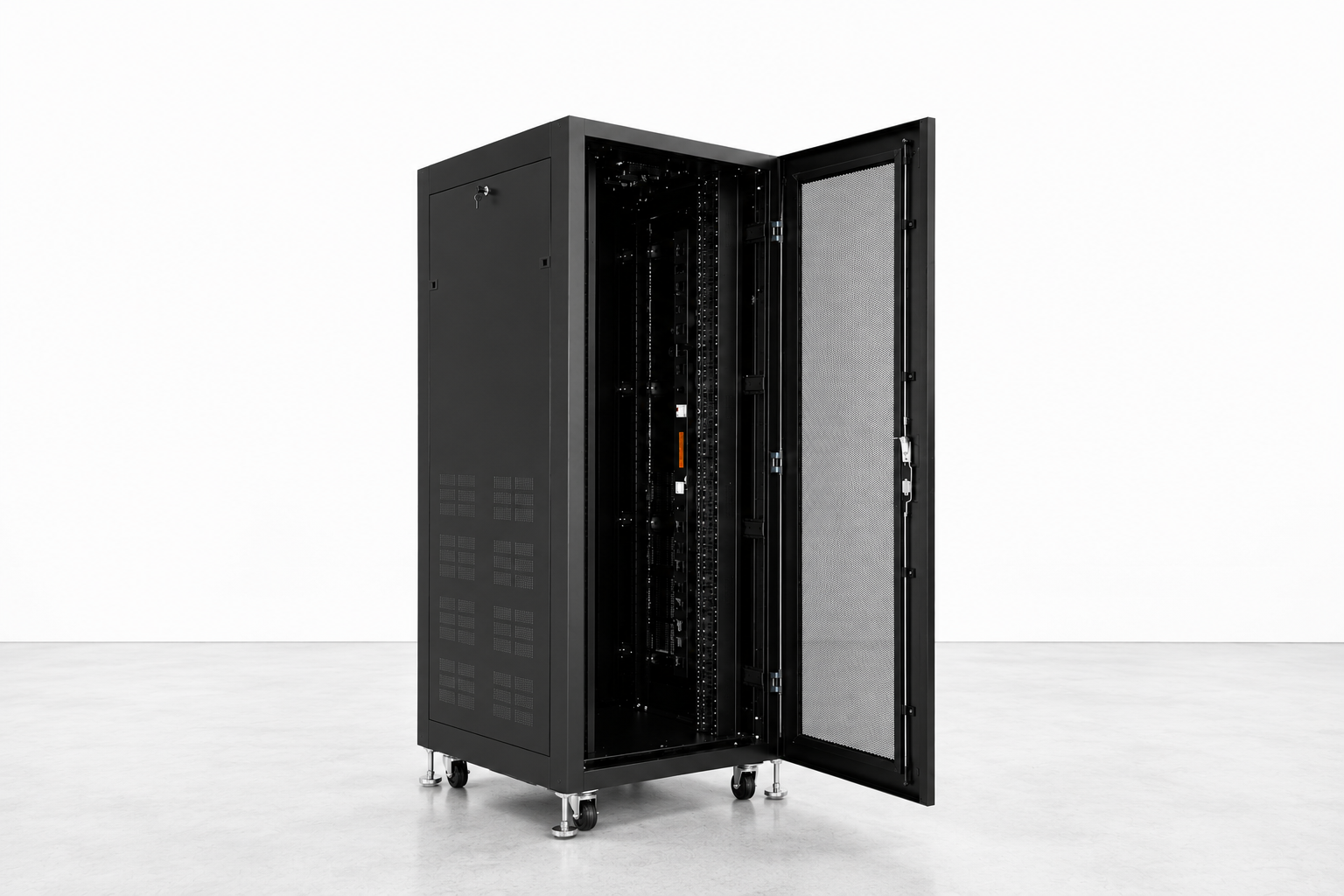
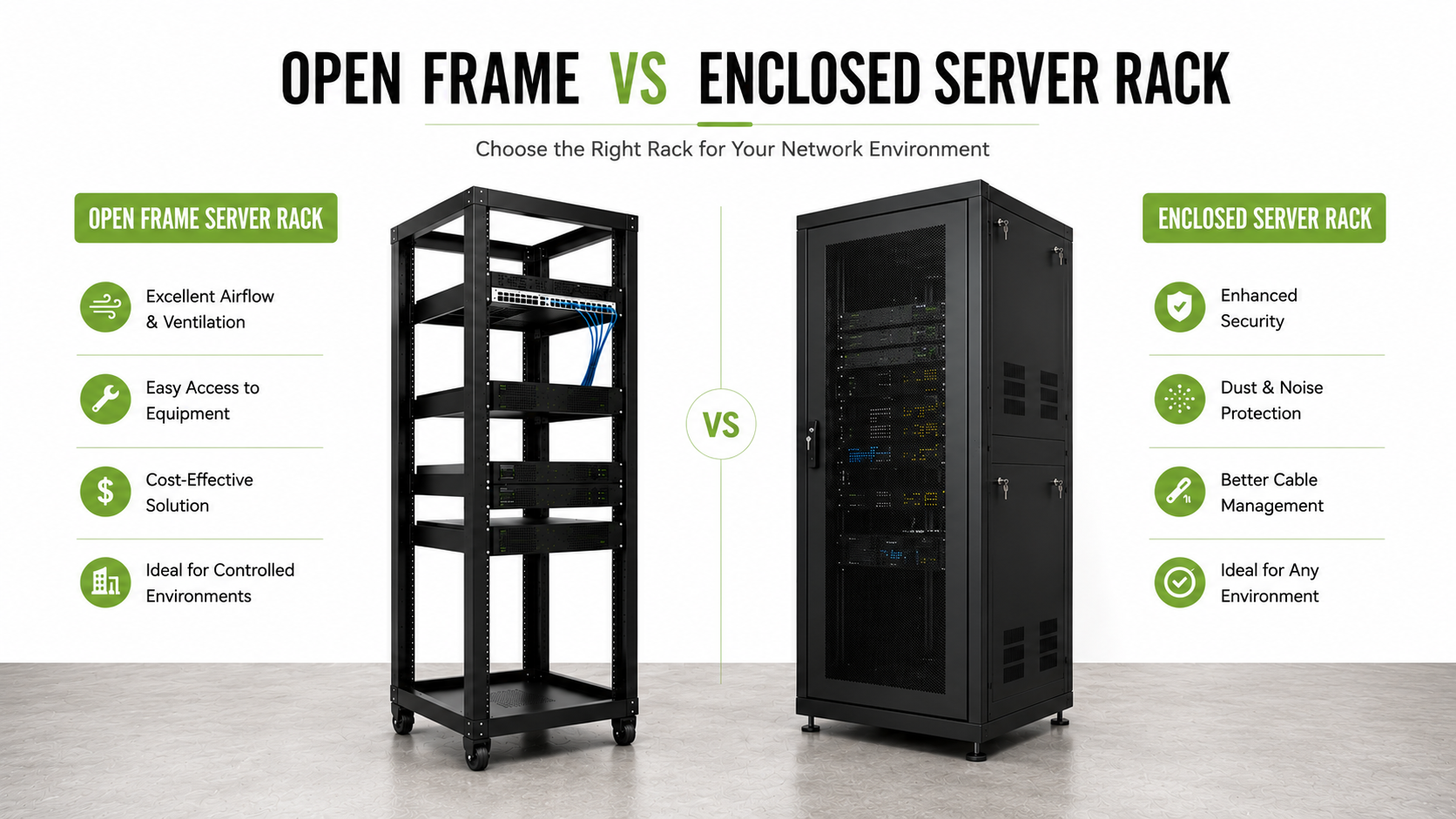
- Perforated front/rear doors
- Ventilated side panels
- Fan tray provisions
- Space around heat-generating devices
For servers & UPS units, aim for 60–75% perforation for optimal airflow.
4. Cable Management: The Secret to a Clean Network
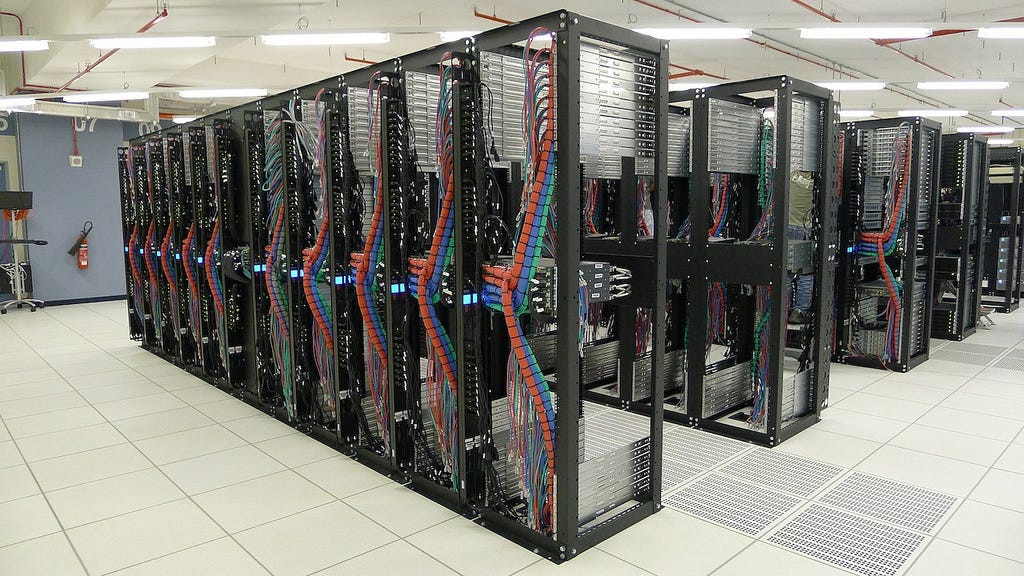
- Vertical cable managers
- Horizontal organisers
- Brush panels
- Rear routing channels
5. Build Quality: Why It Matters
- GI steel (120 GSM indoor, 275 GSM outdoor)
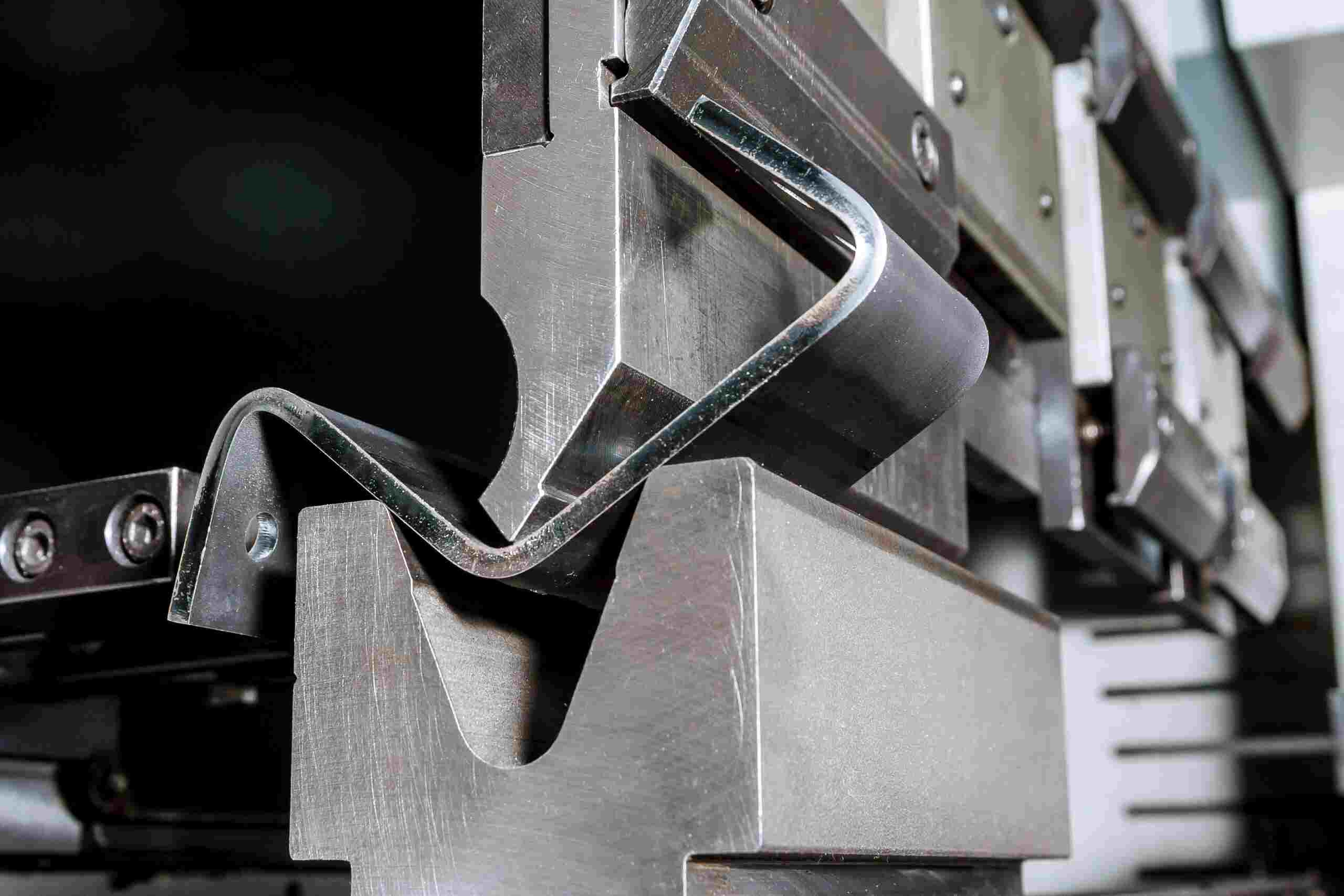
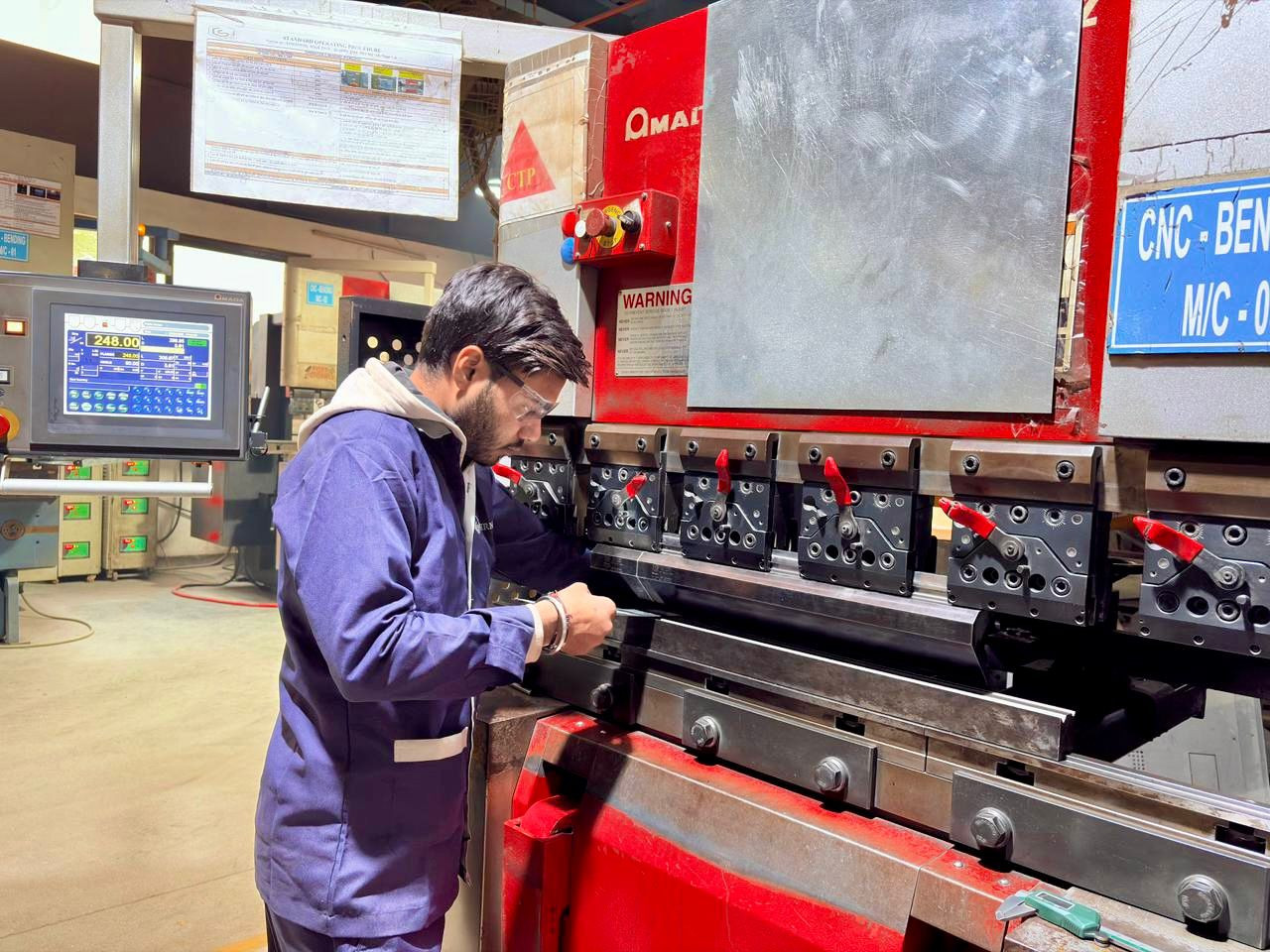
- Laser cutting + CNC bending
- Strong structural welding
- AkzoNobel / Jotun premium powder coating
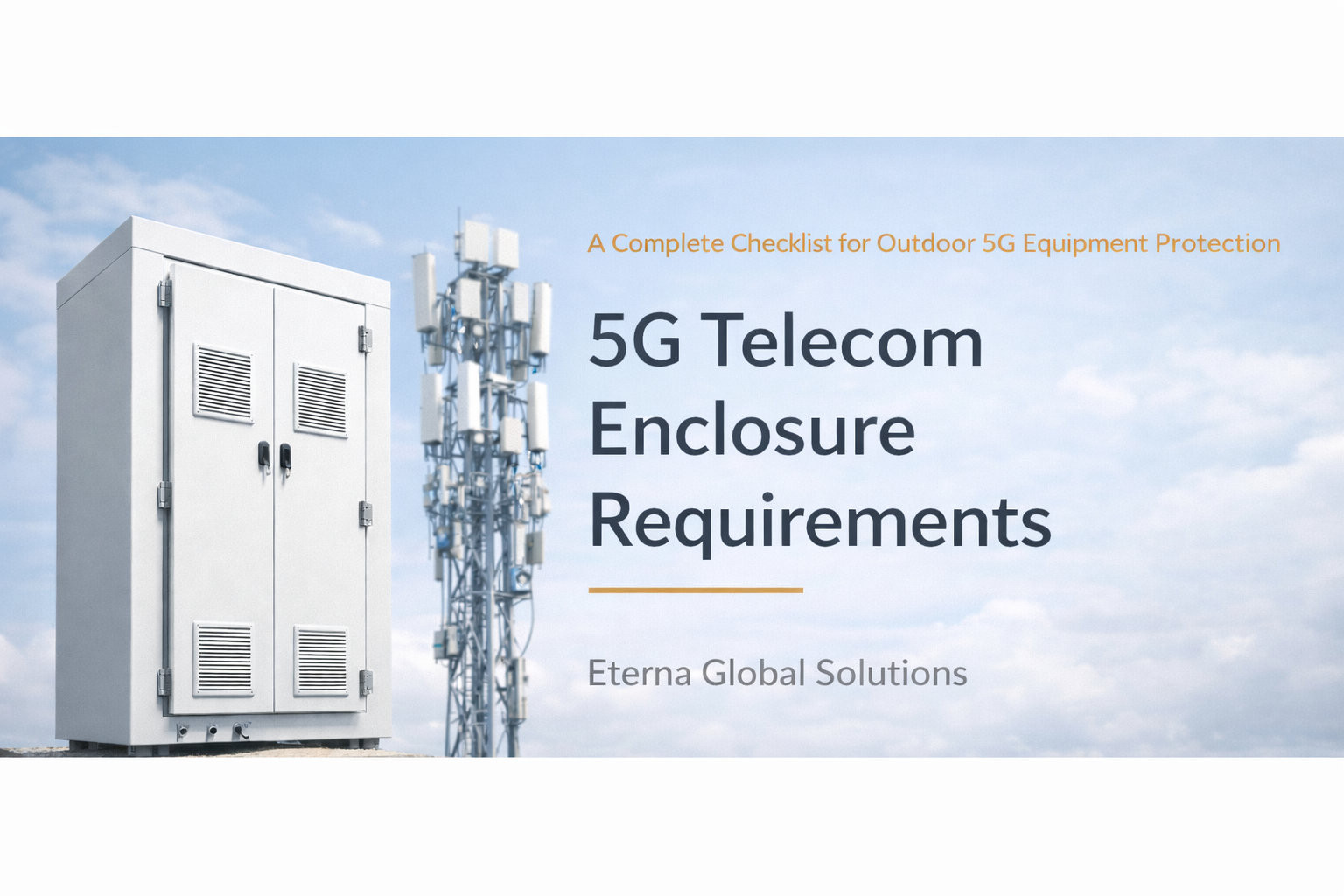
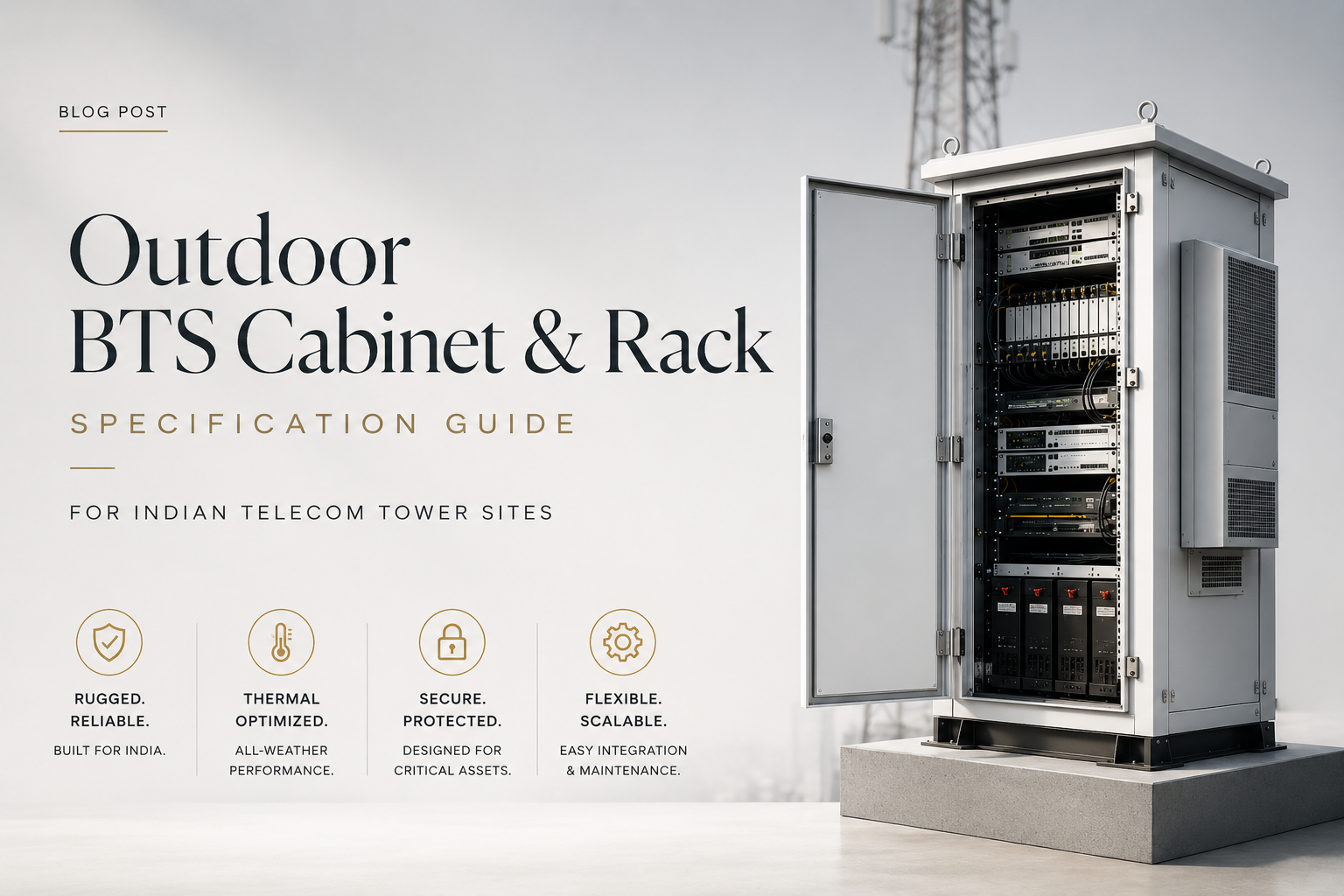
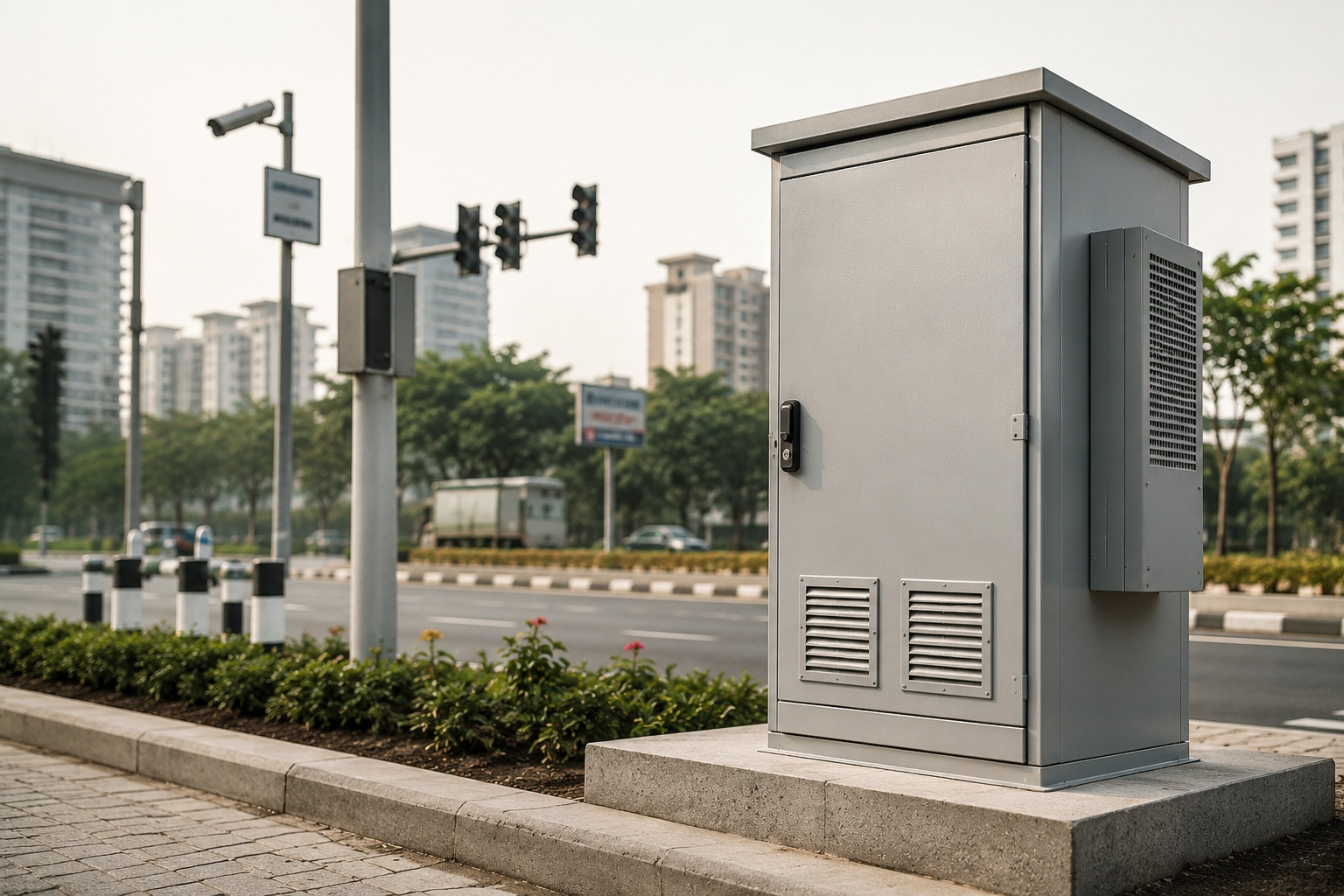
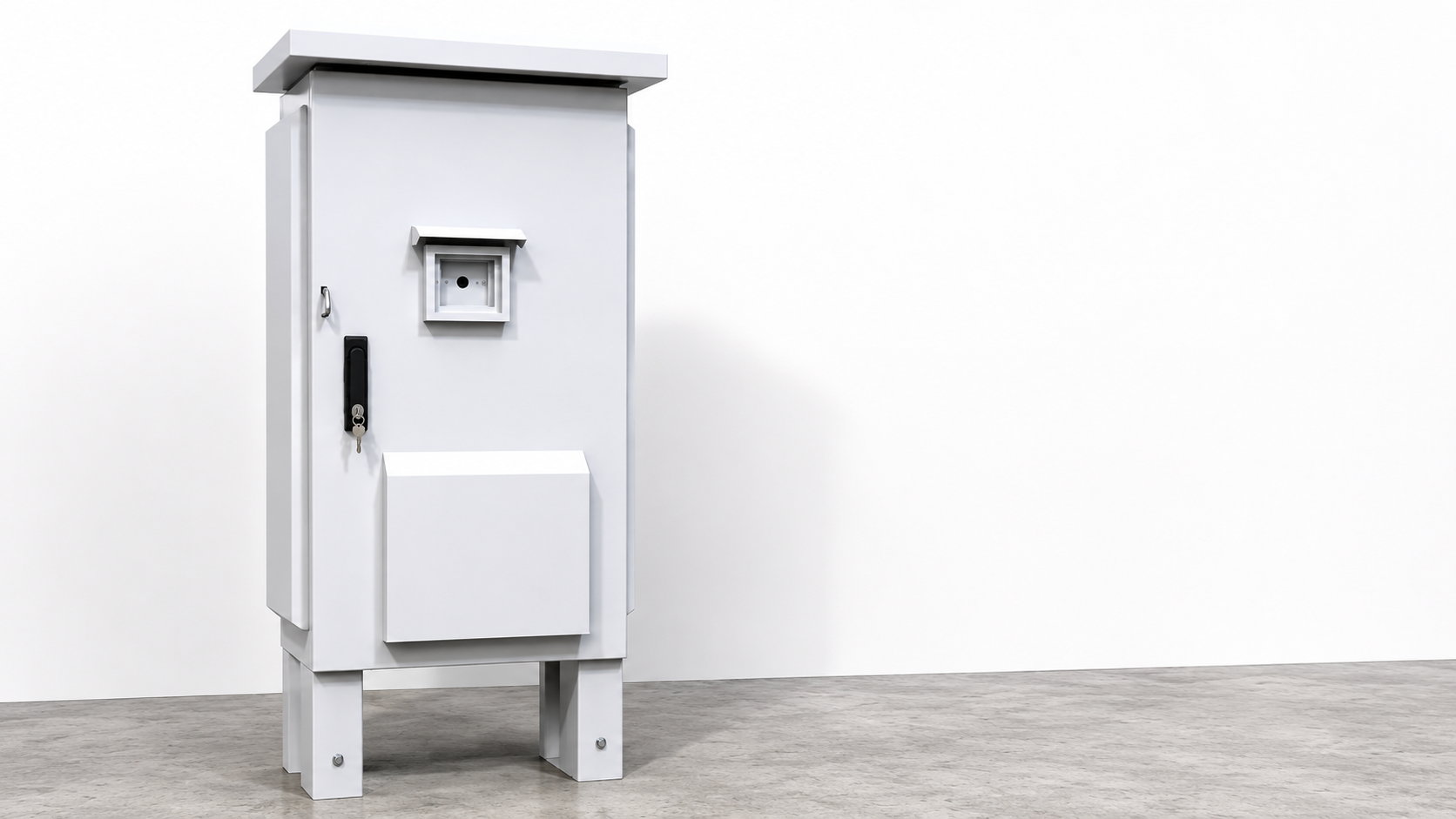
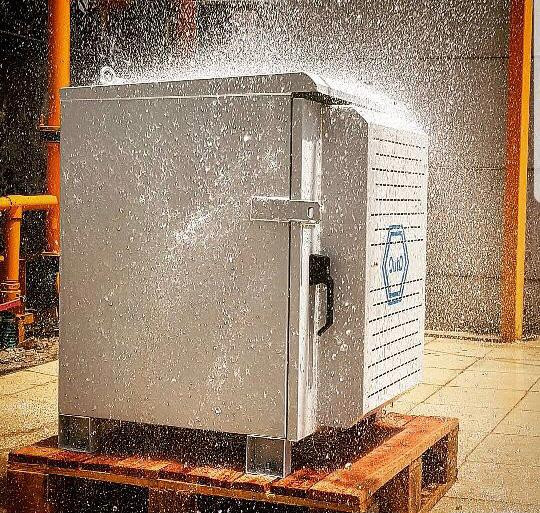
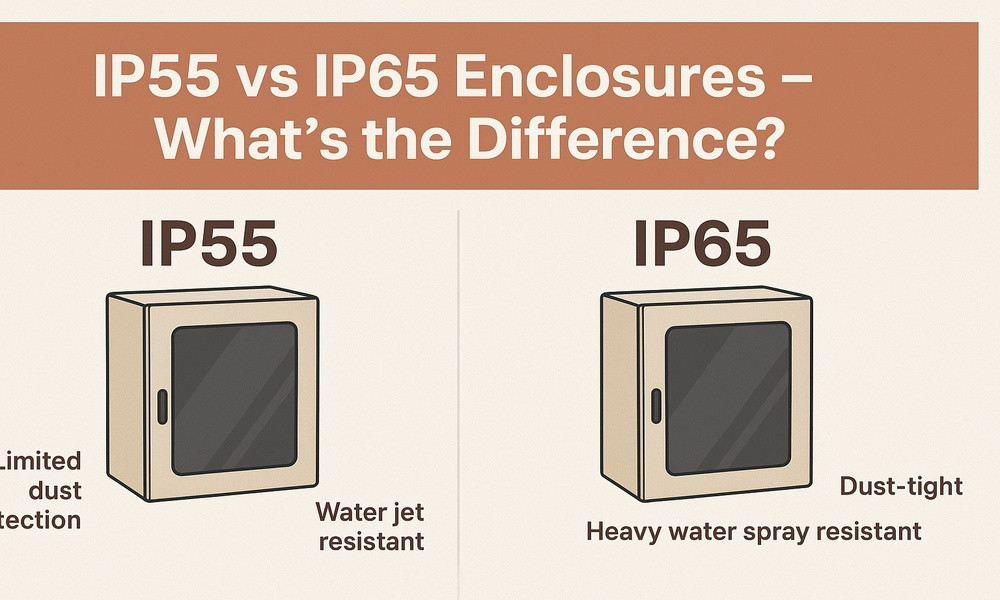
- IP55 – Dust-protected, water jet resistant
- IP65 – Fully dust-tight, suitable for harsh outdoor use
7. Load Capacity: Verify Real Weight Support
- Static load rating
- Dynamic load rating (casters)
- Reinforcement beams
- Rail and angle thickness
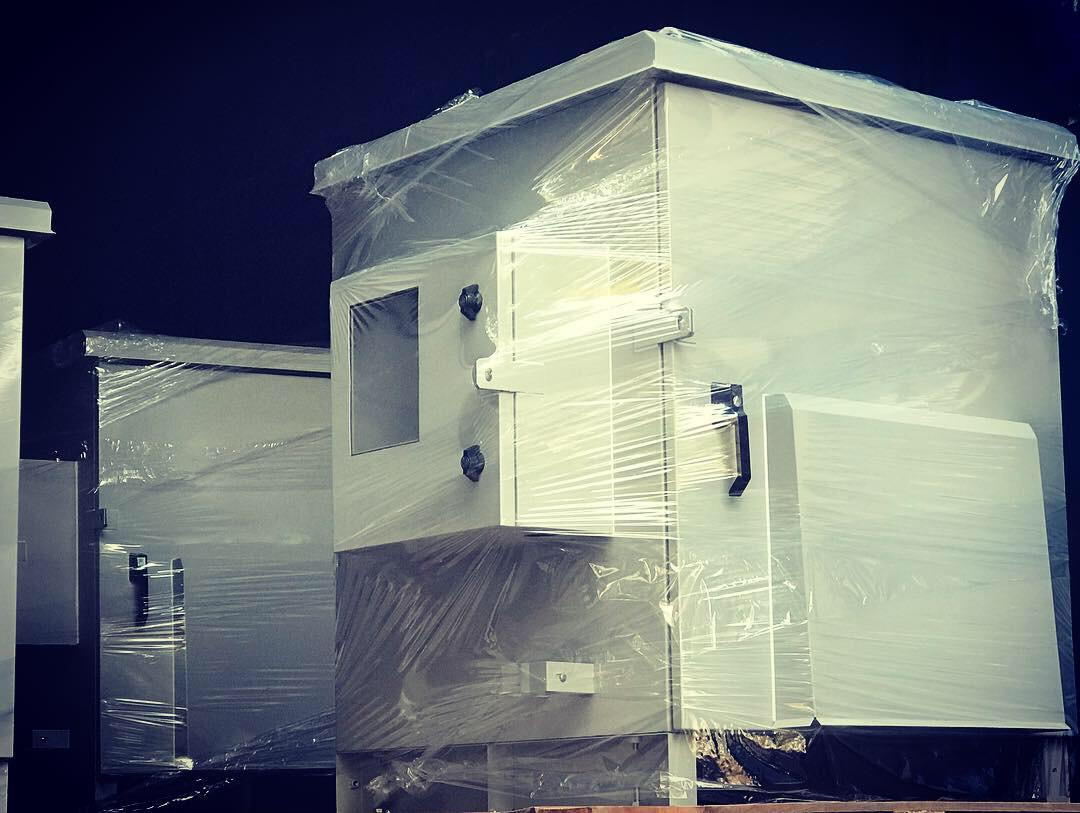
8. Packaging: The Most Overlooked Factor
- ISTA-6 SIOC compliant packaging
- Tri-wall export cartons
- Honeycomb edge protection
- 100% plastic-free packaging
9. Why Businesses Worldwide Choose Eterna
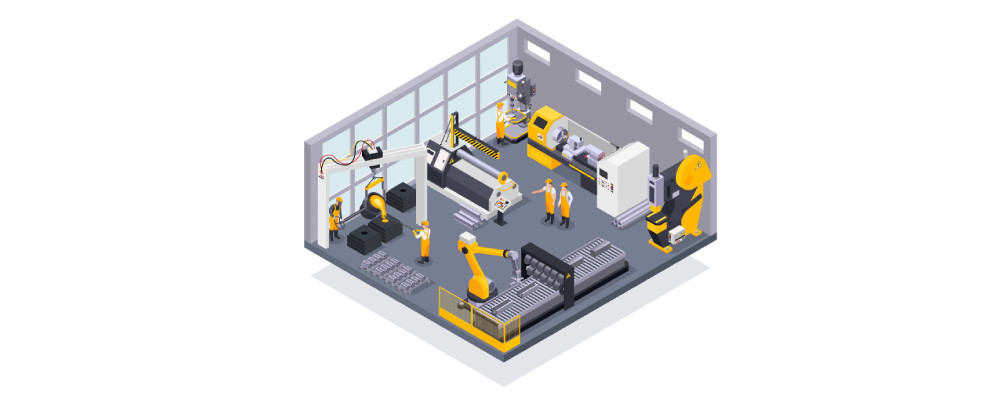
- Export-grade sheet metal fabrication
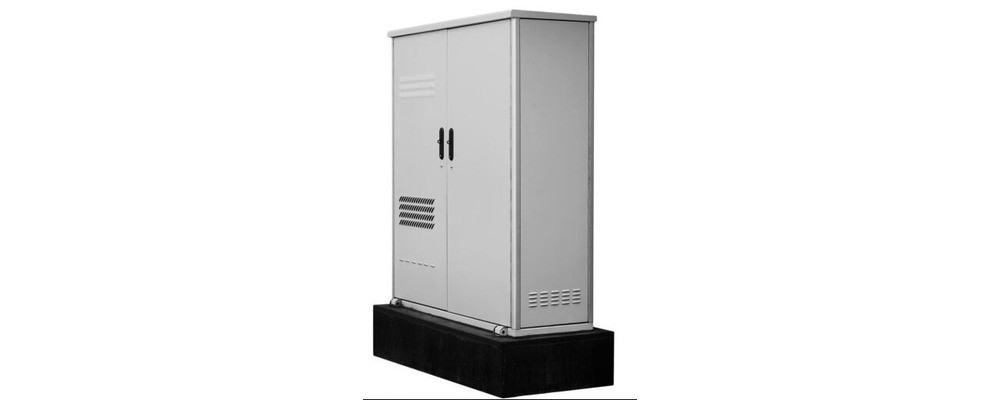
- Server racks, outdoor enclosures, IP-rated cabinets
- OEM & private-label manufacturing
- Premium finishing consistency
- Plastic-free engineered packaging
10. Final Thoughts: Choose a Rack That Supports Your Growth
A server rack is a long-term infrastructure decision. The right choice protects equipment, simplifies maintenance, and supports future expansion.
Need help choosing? Request a consultation or RFQ.
11. Frequently Asked Questions (FAQ)
What size server rack do I need?
Start by listing all equipment in U height, then add 20–30% space for expansion. Small networks use 6U–12U; data centers often use 32U–45U.
What is the difference between wall-mount and floor-mount racks?
Wall-mount racks are for light loads and small rooms; floor-mount racks support heavy servers, UPS systems, and telecom equipment.
How much weight can a server rack hold?
It depends on sheet thickness, reinforcements, rail strength, and caster ratings. Always check both static and dynamic load ratings.
Do I need an IP55 or IP65 rated enclosure?
IP55 protects against dust and water jets. IP65 is fully dust-tight and ideal for harsh industrial and outdoor environments.
What packaging should I look for when importing server racks?
Choose ISTA-6 SIOC packaging with tri-wall cartons and plastic-free honeycomb protection for minimal transit damage.







-20082508144130.jpg)
-20082508385589.jpg)



-29112509574730.jpg)

-18122502213226.png)