
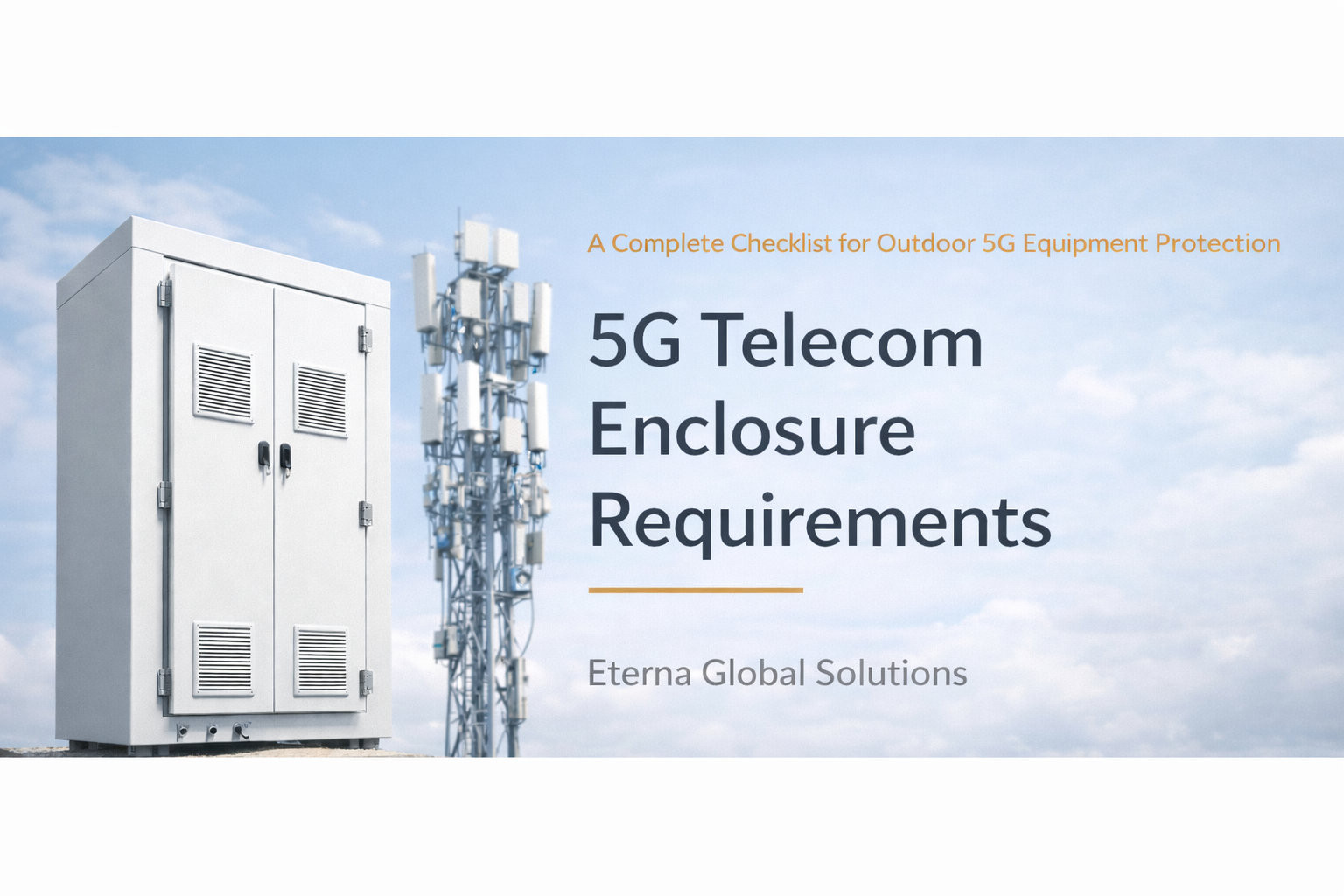
5G Infrastructure Guide • Eterna Global Solutions
Why 5G changes everything for enclosures
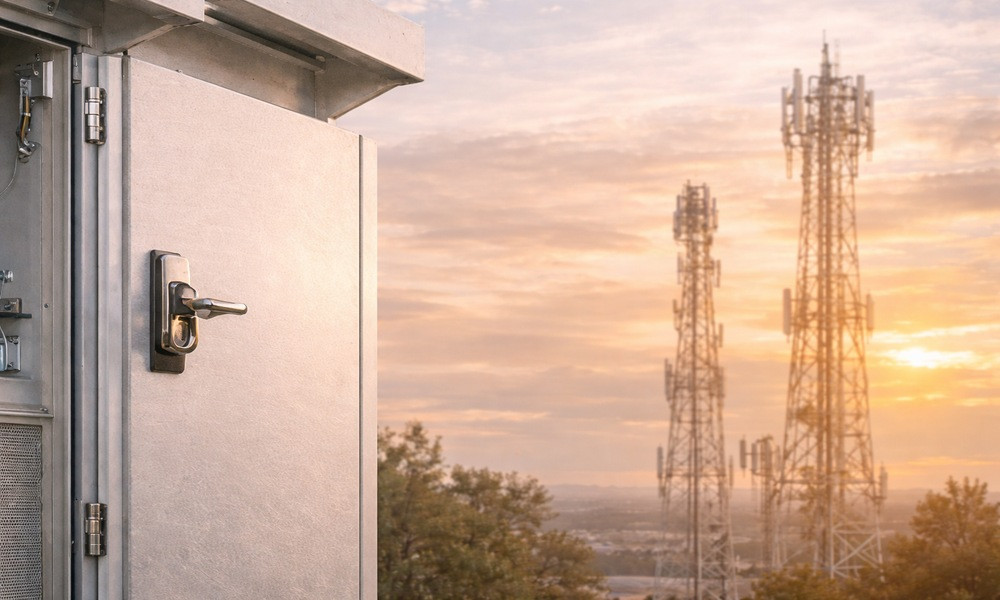
Previous-generation networks concentrated equipment in large, climate-controlled shelters. 5G flips this model. To deliver low latency and high bandwidth, carriers must deploy radios, edge compute nodes, power systems, and fibre terminations much closer to users — on street poles, building facades, rooftops, and highway gantries.
This means telecom enclosures must now perform in locations where there is no room for oversized cabinets, no controlled temperature environment, and often no permanent technician on site. The enclosure becomes the primary line of defense for equipment worth tens of thousands of dollars.
Bottom line: If you're specifying for 5G and using 4G-era enclosure thinking, you're likely underestimating thermal loads, EMI requirements, and structural demands.
The 6 critical specification areas
Every 5G enclosure RFQ must address these six areas. Miss any one, and you risk field failures, rework, or cost overruns.
1. Thermal management
5G radios dissipate 500–1500 W each. Edge servers add 500–2000 W more. Without proper thermal design, equipment throttles or fails. Specify heat load (W), ambient range, solar exposure, and cooling method.
2. Ingress protection (IP rating)
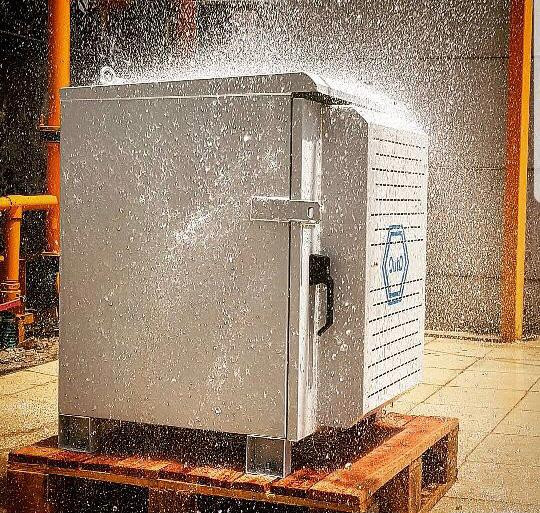
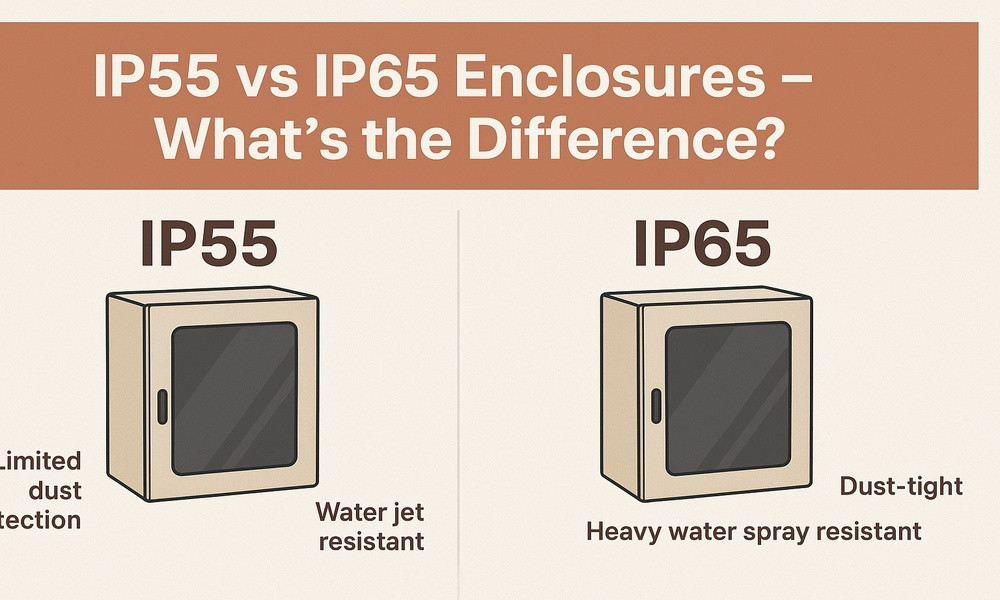
Street-level small cells exposed to rain, road splash, and dust need IP65 minimum. The IP number means nothing if cable entries, gland plates, and door gaskets are poorly executed.
3. EMI / EMC shielding
5G operates on higher frequencies (sub-6 GHz and mmWave) that are more susceptible to interference. Enclosures must provide continuous metal-to-metal contact, conductive gaskets, and proper bonding.
4. Structural & load rating
Pole-mounted enclosures face wind loads, vibration, and limited weight budgets. Ground cabinets need seismic and vandal resistance. Always specify mounting method, equipment weight, and wind zone.
5. Material & corrosion resistance
Outdoor enclosures must survive 15+ years. Material + coating stack must match the deployment environment: urban, coastal salt fog, desert dust, or industrial pollution.
6. Serviceability & access
5G edge sites are serviced by field technicians — often on ladders or in confined spaces. Quick-access doors, tool-less panel removal, and clear cable routing reduce MTTR and prevent errors.
Material selection for 5G enclosures
The right material depends on deployment environment, weight constraints, service life expectation, and budget. Here is a practical comparison:
| Material | Best for | EMI shielding | Weight | Corrosion | Cost |
|---|---|---|---|---|---|
| Galvanized steel (GI) | Ground-mount outdoor, most 5G macro sites | Excellent | Heavy | Good (with powder coat) | $ |
| CRCA steel | Indoor telecom rooms, sheltered locations | Excellent | Heavy | Requires coating | $ |
| Aluminium | Pole-mount small cells, weight-sensitive | Good | Light | Very good | $$ |
| Stainless steel 304 | Coastal, chemical, extreme environments | Excellent | Heavy | Excellent | $$$ |
Most common "sweet spot": For outdoor 5G deployments, galvanized steel + outdoor polyester powder coat delivers the best balance of EMI performance, durability, and cost. Reserve aluminium for pole-mount small cells and SS304 for coastal/high-corrosion zones.
5G deployment types and enclosure considerations
Different 5G site types have fundamentally different enclosure needs. Select the deployment type closest to your project:
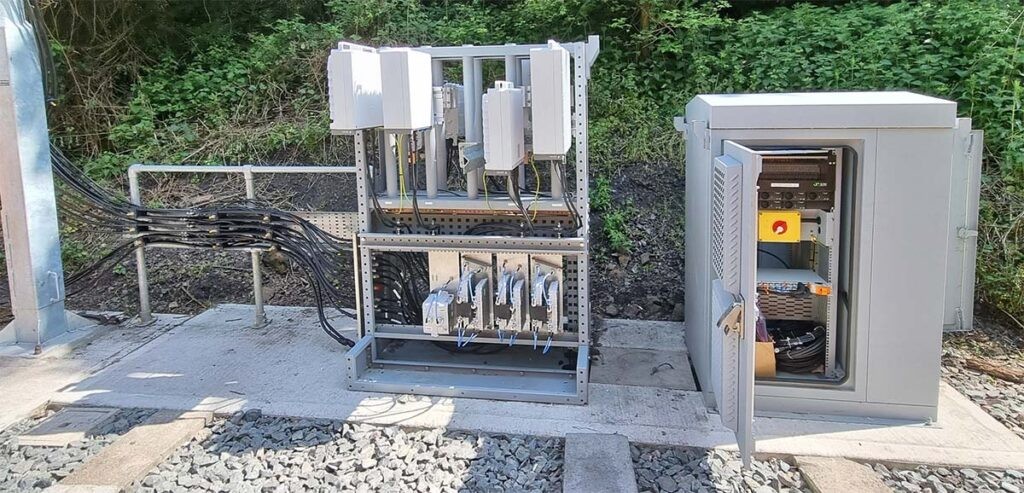
Macro tower sites
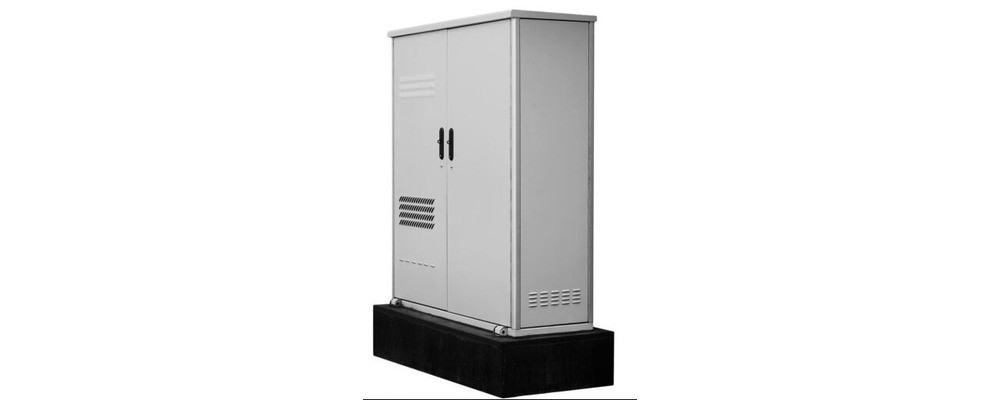
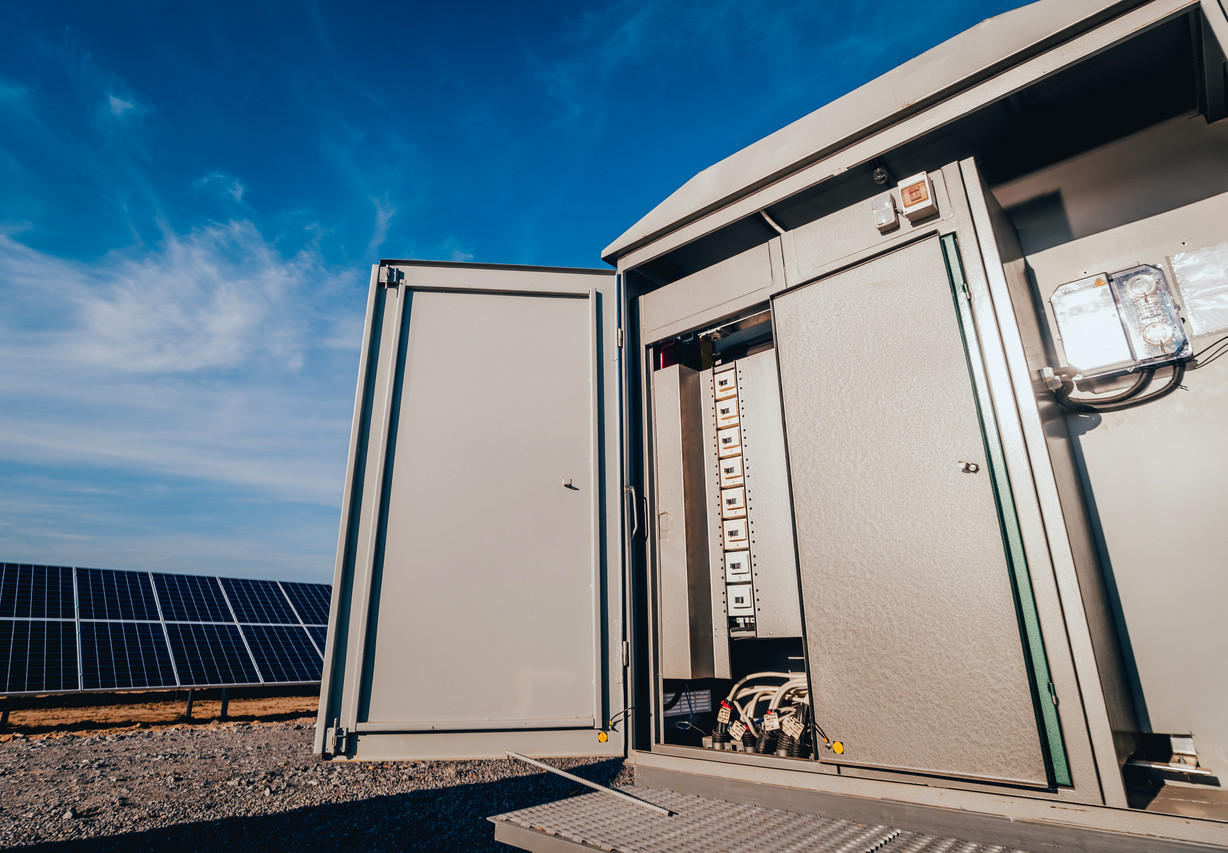
- Ground-mounted cabinets: baseband, power, battery
- Heat load: 2–4 kW typical
- IP55–IP65, ventilation or AC
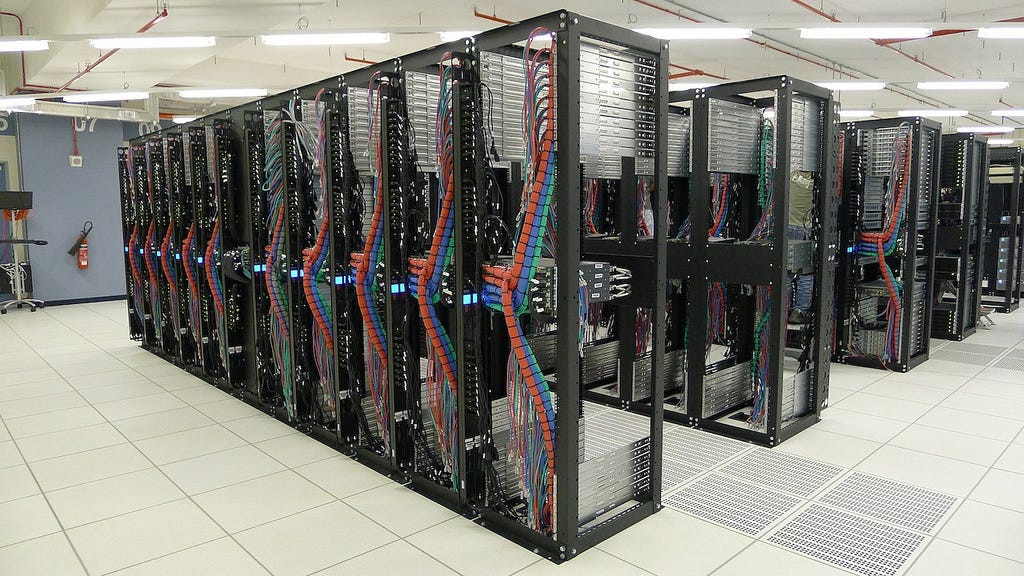
- 19″ rack mounting, vandal-resistant locks
Street-level small cells
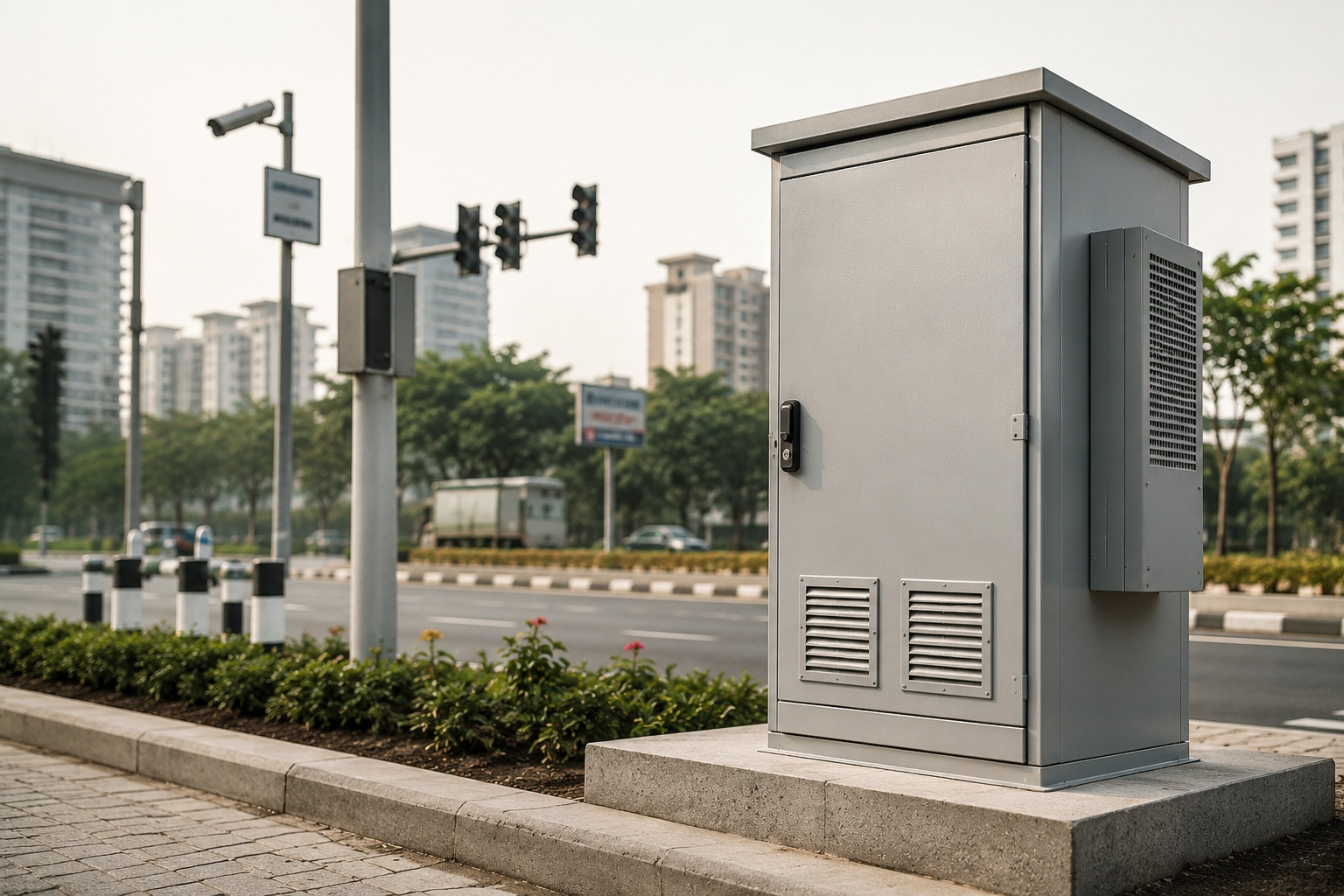
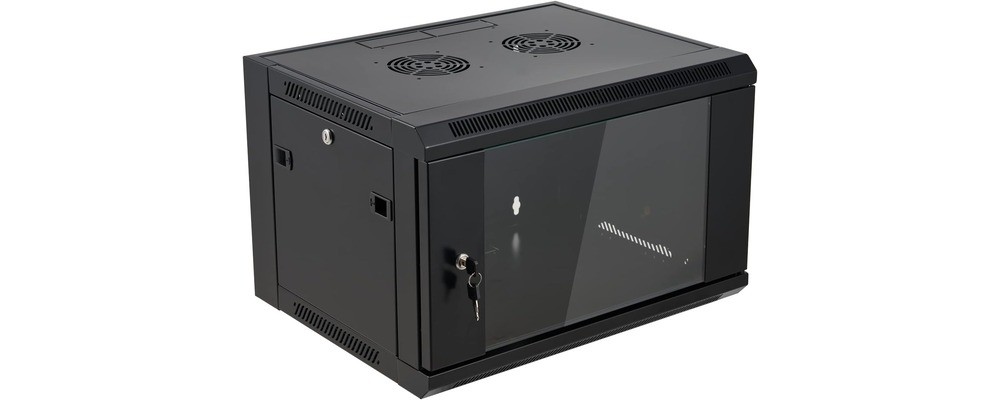
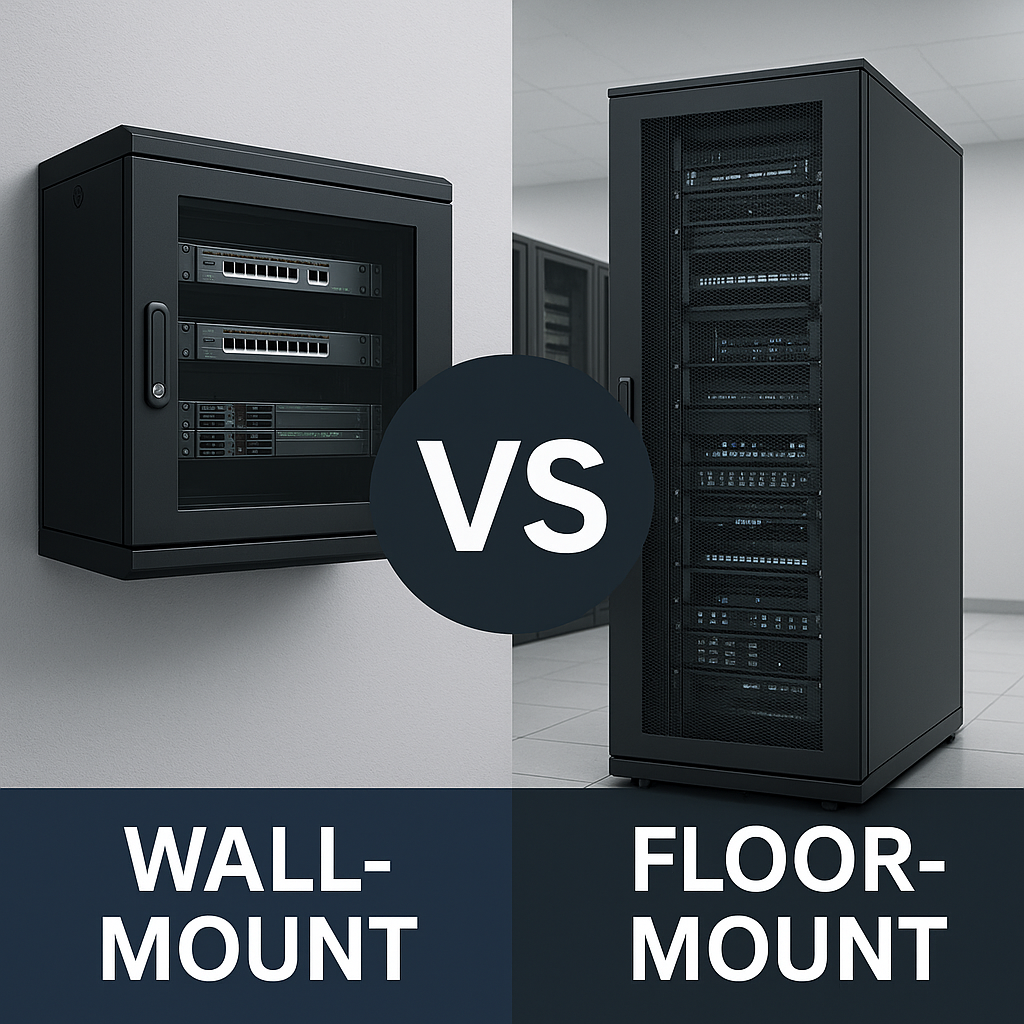
- Compact pole-mount or wall-mount
- Weight critical: often <30 kg
- IP65 minimum, passive or fan cooling
- Tool-less access for work at height
Edge compute / MEC
- Mini-servers for ultra-low-latency apps
- High heat density: 1–3 kW in compact footprint
- Stringent EMI requirements
- Often co-located with radio equipment
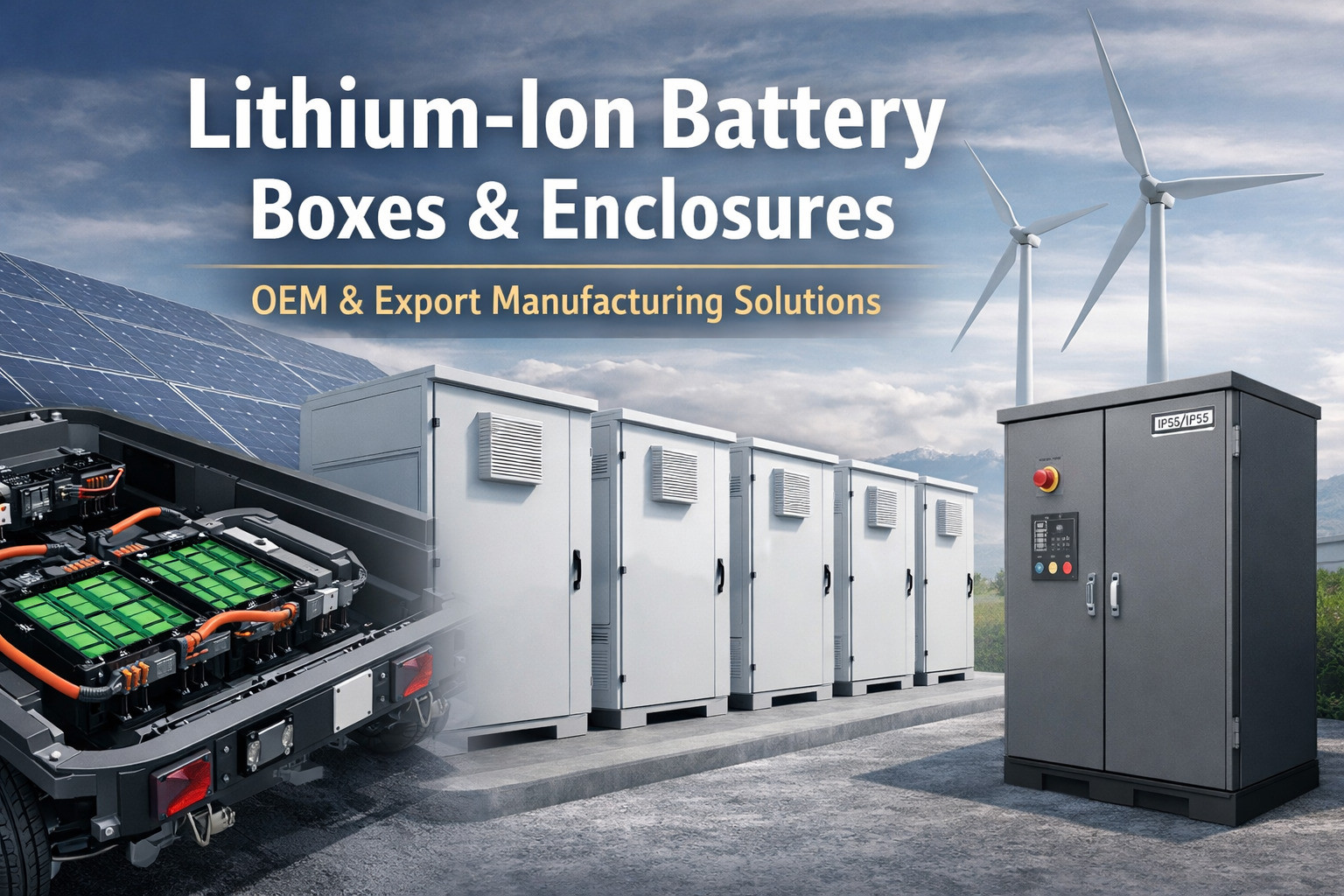
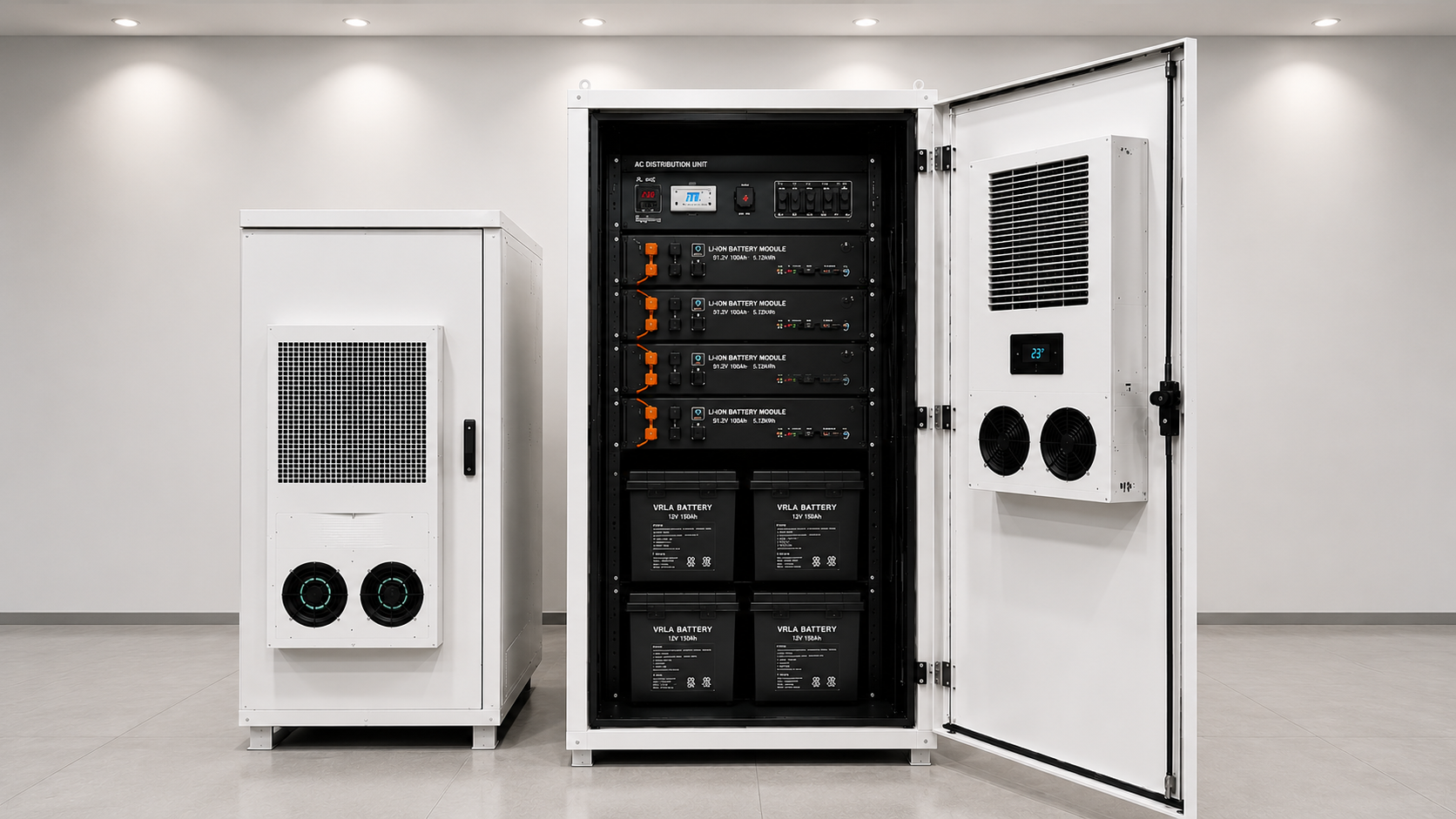
Outdoor battery cabinets
- Lithium-ion or VRLA battery backup
- Thermal runaway safety considerations
- Ventilation for gas dissipation
- IP55–IP65, fire-rated where required
Thermal design: the #1 specification for 5G
Heat is the single biggest killer of 5G equipment reliability. Unlike 4G base stations that could rely on air-conditioned shelters, 5G edge enclosures must manage significant thermal loads in compact, often sun-exposed housings.
| Cooling method | Heat capacity | IP preserved? | Maintenance | Best for |
|---|---|---|---|---|
| Natural convection | Up to ~300 W | IP reduced | None | Low-power fibre/passive nodes |
| Filtered fans | 300–800 W | IP reduced | Filter replacement | Sheltered small cells |
| Heat exchanger (air-to-air) | 500–2000 W | Yes (sealed) | Low | Most outdoor 5G sites |
| Integrated AC unit | 1000–5000+ W | Yes (sealed) | Regular servicing | High-density edge, hot climates |
Key principle: If your enclosure must remain sealed (high IP) and heat is moderate-to-high, a heat exchanger or AC is almost always safer than "adding more fans."
Interactive 5G enclosure selector tool
Choose your deployment parameters below. This tool outputs a practical recommendation you can use as a starting point for your specification.
Suggested IP rating: —
Suggested material: —
Cooling approach: —
Key consideration: —
Common 5G enclosure specification mistakes
These are the errors we see most often in RFQs. Avoid them to save time, cost, and field failures.
IP without cable entry plan
Specifying "IP65" with no gland plate or cable entry design. Real IP failures happen at penetrations, not walls.
Underestimating heat load
Ignoring solar gain, future equipment additions, and battery charging losses leads to thermal failures within months.
Ignoring EMI at design stage
Adding EMI shielding after manufacturing is expensive and often ineffective. Specify it upfront so seam design and gaskets are built in.
No structural calc for poles
A 25 kg enclosure on a 10 m pole in a wind zone creates significant moment loads. Failure to specify this is dangerous.
Reusing 4G enclosures for 5G
5G equipment runs hotter, needs better EMI shielding, more antenna pass-throughs, and higher load ratings. Retrofitting usually costs more.
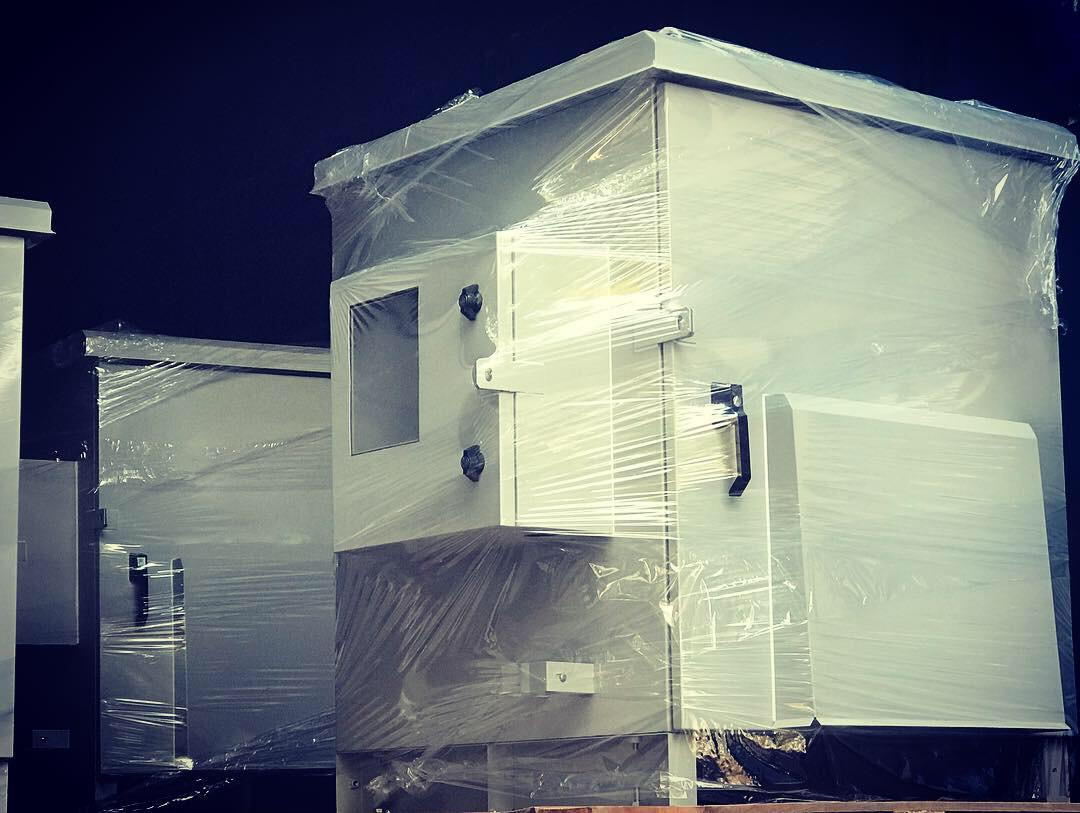
No packaging spec for export
5G rollouts are global procurement projects. Enclosures that arrive damaged due to inadequate export packaging waste time and money.
5G enclosure RFQ checklist (use before sending)
Environment & site
- Installation type (pole / wall / ground / rooftop)
- Climate zone & salt/pollution exposure
- Ambient temperature range (min / max)
- Solar exposure (direct sun / shaded / indoor)
Thermal & IP
- Total heat dissipation (W) of all equipment
- Target IP class + cable entry / gland plate plan
- Thermal approach: natural / fan / HX / AC
- Filter maintenance feasibility at site
Mechanical & EMI
- Dimensions (W × D × H) or equipment list
- Equipment weight + wind zone
- EMI shielding requirement (dB or standard)
- Mounting: 19″ rails / DIN / plate / custom
Commercial & compliance
- Material: GI / CRCA / Al / SS304 + finish
- Standards (IEC, ETSI, NEMA, UL)
- Quantity, delivery location, lead time
- Packaging requirements for export
Request a custom 5G enclosure quote
Share the basics below — our engineering team will respond within 24 hours with a specification recommendation and quote.
FAQ
What IP rating do 5G outdoor enclosures need? +
Most outdoor 5G deployments require IP55 to IP65. Street-level small cells exposed to direct rain and dust need IP65 minimum, while sheltered rooftop macro sites may work with IP55 — provided cable entries are properly sealed with gland plates and drip loops.
Why is EMI shielding more critical for 5G than 4G? +
5G operates on higher frequencies (sub-6 GHz and mmWave) that are more susceptible to electromagnetic interference. Enclosures must provide continuous metal-to-metal contact at seams, use conductive gaskets at door interfaces, and ensure proper bonding of all panels to prevent signal degradation.
How much heat do 5G radios and edge servers generate? +
A single 5G radio unit can dissipate between 500 and 1500 watts. Edge compute nodes add another 500 to 2000 watts. Combined heat loads of 1–4 kW per enclosure are common, making thermal design the single most important specification.
Can existing 4G enclosures be reused for 5G equipment? +
Rarely without significant modification. 5G equipment runs hotter, requires better EMI shielding, often needs more antenna pass-throughs, and may demand higher structural load ratings. Retrofitting is sometimes possible but usually costs more than specifying a purpose-built 5G enclosure from the start.
What material is best for 5G outdoor enclosures? +
Galvanized steel with outdoor polyester powder coat offers the best balance of cost, durability, and EMI shielding for most deployments. Aluminium suits weight-sensitive pole-mount applications. Stainless steel 304 is reserved for coastal or highly corrosive environments where long service life justifies the premium.
Does Eterna manufacture enclosures for 5G deployments? +
Yes. Eterna manufactures custom sheet metal enclosures for telecom OEMs and network operators, including enclosures designed for 5G small cells, edge compute, macro sites, and outdoor battery cabinets. Capabilities include laser cutting, CNC forming, welding, powder coating, and full assembly. Contact us with your specifications for a quote.



-20082508144130.jpg)
-20082508385589.jpg)


-29112509574730.jpg)

-18122502213226.png)