
OEM Buyer’s Guide • Eterna Global Solutions
Why manufacturer selection matters
Many programs fail after a successful sample because the chosen supplier cannot sustain repeatable manufacturing: batch-to-batch variation, uncontrolled drawing revisions, inconsistent finish/fit, lead-time drift, and shipment damage.
Best approach: evaluate repeatability + documentation + process control — not only machine list or initial price.
Interactive buyer tool: choose your profile
Pick your category. This guide prioritizes what you should verify first.
Primary risk: —
What to verify first: —
Ask these questions: —
Supplier risk scanner (quick scoring)
Check what you’ve observed (or what you discover during evaluation). Get a practical next step.
Risk indicators
Result
Risk level: —
Meaning: —
Next step: —
What to check (fast comparison)
Use this table during supplier evaluation calls and factory visits.
| Area | What “good” looks like | Red flags |
|---|---|---|
| Repeatability | Defined inspection points, fixtures/jigs, controlled work instructions, stable settings | “We do it by experience”, no checks, variation accepted as normal |
| Change control | Revision system + ECO/ECN, latest drawing always referenced, controlled distribution | Multiple drawings floating, “use what’s on WhatsApp”, no revision trace |
| Finish consistency | Coating thickness control, masking strategy, documented pretreatment/coating parameters | Shade/texture variation, scratches, fitment issues after coating |
| Assembly fitment | CTQ dims defined, tolerance stack-up understood, trial assembly process | Force-fit assembly, misalignment, gasket issues, door sag |
| Packaging | Engineered packing, edge protection, moisture control, stacking plan | Transit damage, inconsistent packing, cosmetic damage on arrival |
| Documentation | Inspection report, CoC (as required), material traceability, photo evidence for packing | No reports, “trust us”, no traceability, poor communication |
Procurement shortcut: Ask for one recent inspection report + the related drawing revision + packing photos. The response quality is very revealing.
Common production failure points (expand)
Managers can skim. Engineers can open the details.
Prototype supplier vs production manufacturer +
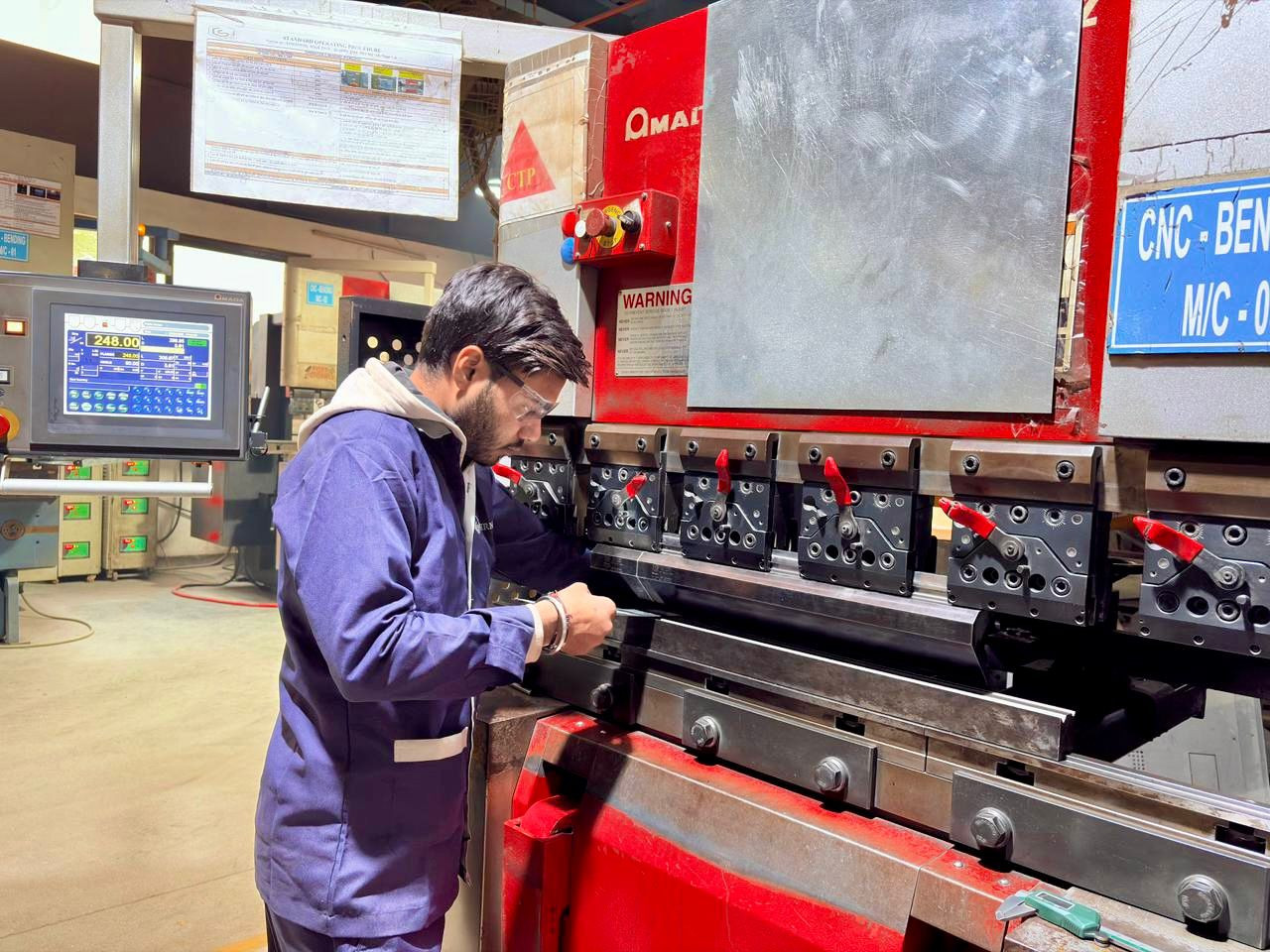
Prototype vendors optimize for speed and flexibility. Production requires repeatability: fixtures, controlled workflows, stable lead times, inspection discipline, and revision control. Many suppliers fail after batch 3–5.
Tolerance stack-up in assemblies +
Small dimensional variation accumulates across panels, hinges, locks, rails, and fasteners. Result: misalignment, sealing gaps, and “force-fit” assembly. A production partner defines CTQ dimensions + corrective action.
Powder coating affecting fitment +
Coating thickness impacts mating parts. Without masking strategy and thickness control, hinges bind, panels rub, and assembly changes between batches — a classic “sample OK, production not OK” issue.
Export damage & packaging failures +
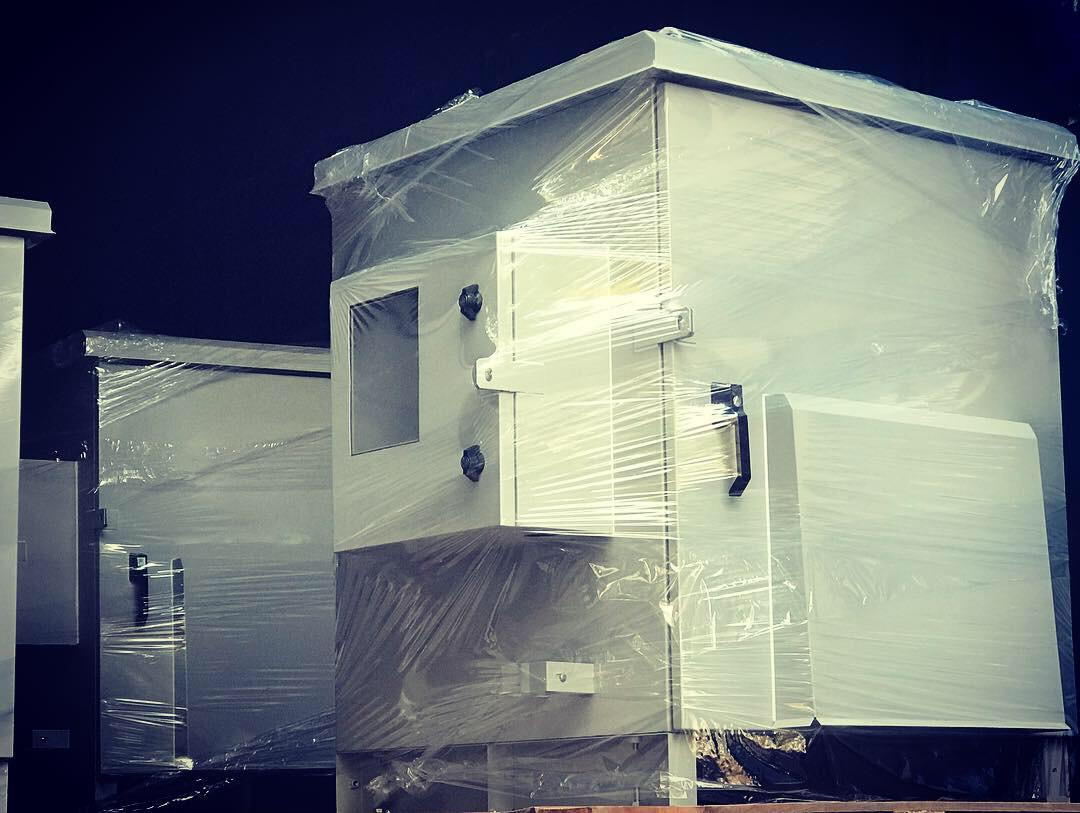
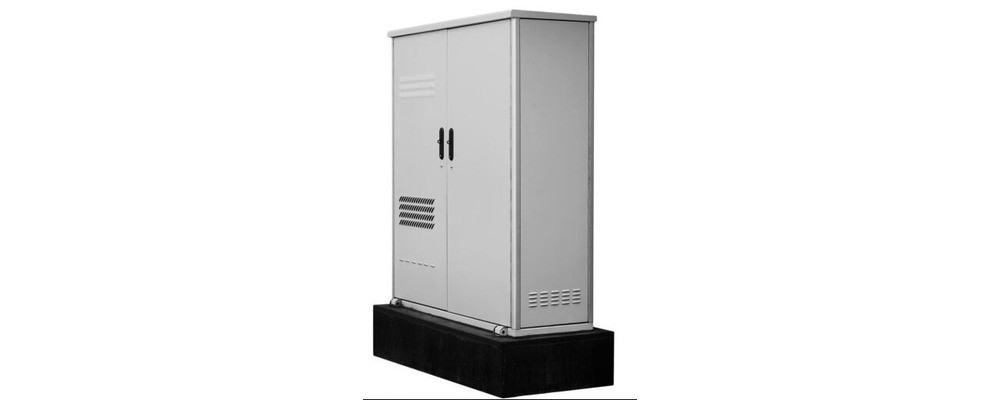
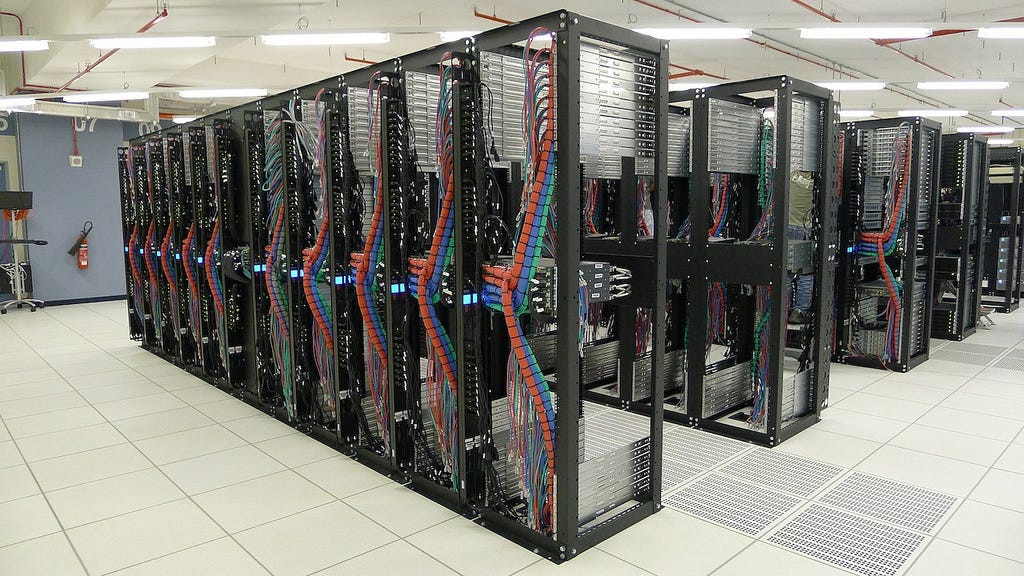
Export failures are often packaging failures. Engineer packing with edge protection, moisture control, immobilization, stacking rules, and handling instructions — especially for racks, enclosures, and cosmetic panels.
RFQ checklist (use before sending for quote)
Documentation
- 2D drawings + STEP (preferred)
- Revision number + revision history
- Critical-to-quality dimensions marked
Material & finish
- CRCA / GI / SS304 / Aluminum
- Finish + coating thickness expectation
- Environment: indoor/outdoor/coastal
Assembly scope
- Welded / bolted / knock-down
- PEM / inserts / fastener list
- Sub-assembly vs final assembly
Program planning
- Prototype qty, pilot qty, production qty
- Target lead time expectation
- Packing + export requirements
Tip: If you want accurate pricing, share the packaging expectation and inspection requirement upfront.
Request a manufacturer assessment
Share the basics — we’ll suggest a practical evaluation plan and a starting manufacturing spec.
FAQ
What is the biggest mistake buyers make? +
Choosing a supplier based on a sample or machine list, without validating repeatability, inspection, and revision control for production.
How do I validate repeatability fast? +
Ask for one recent inspection report + the related drawing revision + packing photos. A production-grade supplier can share this quickly and clearly.
Why do suppliers fail after the first order? +
Because scaling needs fixtures, planning, stable workflows, and process control. Without those, lead time drifts and quality variation increases.
What matters most for international sourcing? +
Export packing, documentation, traceability, and clear communication. Many “local” suppliers underestimate transit and handling risk.









-20082508144130.jpg)
-20082508385589.jpg)



-29112509574730.jpg)


-18122502213226.png)