Eterna Global Solutions
C-52 Block-C, Sector 80
Noida Uttar Pradesh,
201306, India


Eterna Global Solutions
C-52 Block-C, Sector 80
Noida Uttar Pradesh,
201306, India
Eterna Global Solutions LLP provides a structured New Product Introduction (NPI) and prototyping service that takes your sheet metal enclosure, server rack, telecom cabinet, or custom fabricated assembly from initial concept through prototype validation to production-ready first-article approval — all at a single facility in Noida, India. NPI is the critical bridge between your engineering team’s design and reliable, repeatable mass production. Get it right, and every subsequent production batch flows smoothly. Rush it or skip steps, and you inherit quality problems, cost overruns, and delivery delays that compound across every batch you ever build.
Many OEMs and product companies approach manufacturing partners with a completed design and expect to jump straight into production. The reality is that even a well-designed product needs a methodical NPI process before the first production PO: Design for Manufacturing (DFM) review to identify potential issues before cutting metal, prototype fabrication to validate fit and form, first-article inspection to lock down dimensional compliance, production tooling trials to verify repeatability, and process documentation to ensure the 500th unit is identical to the 5th. Our NPI process handles all of this — systematically, transparently, and with your engineering team involved at every approval gate.
Whether you are launching an entirely new product, localising an imported enclosure for domestic production, redesigning an existing product for cost reduction, or qualifying a new contract manufacturing partner for an established product, Eterna’s NPI framework ensures that the transition from drawing to production is controlled, documented, and successful on the first attempt.
Skipping or rushing the NPI process is the single most expensive mistake in contract manufacturing. Without proper DFM review, you discover that a bend radius is too tight for the specified material after 200 blanks have been cut. Without a prototype, you find that the door hits the cable management tray after the welding jigs have been built. Without first-article dimensional verification, you learn that a 19″ rail is 1.5 mm out of position after 50 racks have been coated. Each of these problems is trivial to fix at the design stage and progressively more expensive to fix at each subsequent stage — the classic “cost of change” curve that every manufacturing engineer knows.
Our NPI process is designed to surface and resolve every potential problem before production tooling is built and before batch material is procured. By the time a product reaches production status at Eterna, every dimension has been verified, every process parameter has been locked, every quality checkpoint has been defined, and every piece of tooling has been trialled. The result: your first production batch runs on time, at cost, and at quality — and every subsequent batch is a repeat of a proven process, not a fresh experiment.
Design intake & DFM review
Your files reviewed • manufacturability assessed • improvements flagged
You share your 3D models, 2D drawings, BOM, and specifications. Our engineering team conducts a thorough style="color:var(--egs3-gold) !important; text-decoration:underline !important;">Design for Manufacturing (DFM) review before any metal is cut.
Prototype fabrication
1–5 units built on production equipment • real materials • real processes
Prototypes are fabricated using the same production equipment and materials that will be used for batch production.
Prototype evaluation & design iteration
Your team inspects • fit-checks • feedback • design revisions
Prototype units are submitted to your engineering team for evaluation and feedback before production commitment.
First-Article Inspection (FAI)
Production-representative unit • full dimensional report • formal sign-off
The First-Article Inspection is the formal quality gate between prototyping and production.
Production tooling & process lock-down
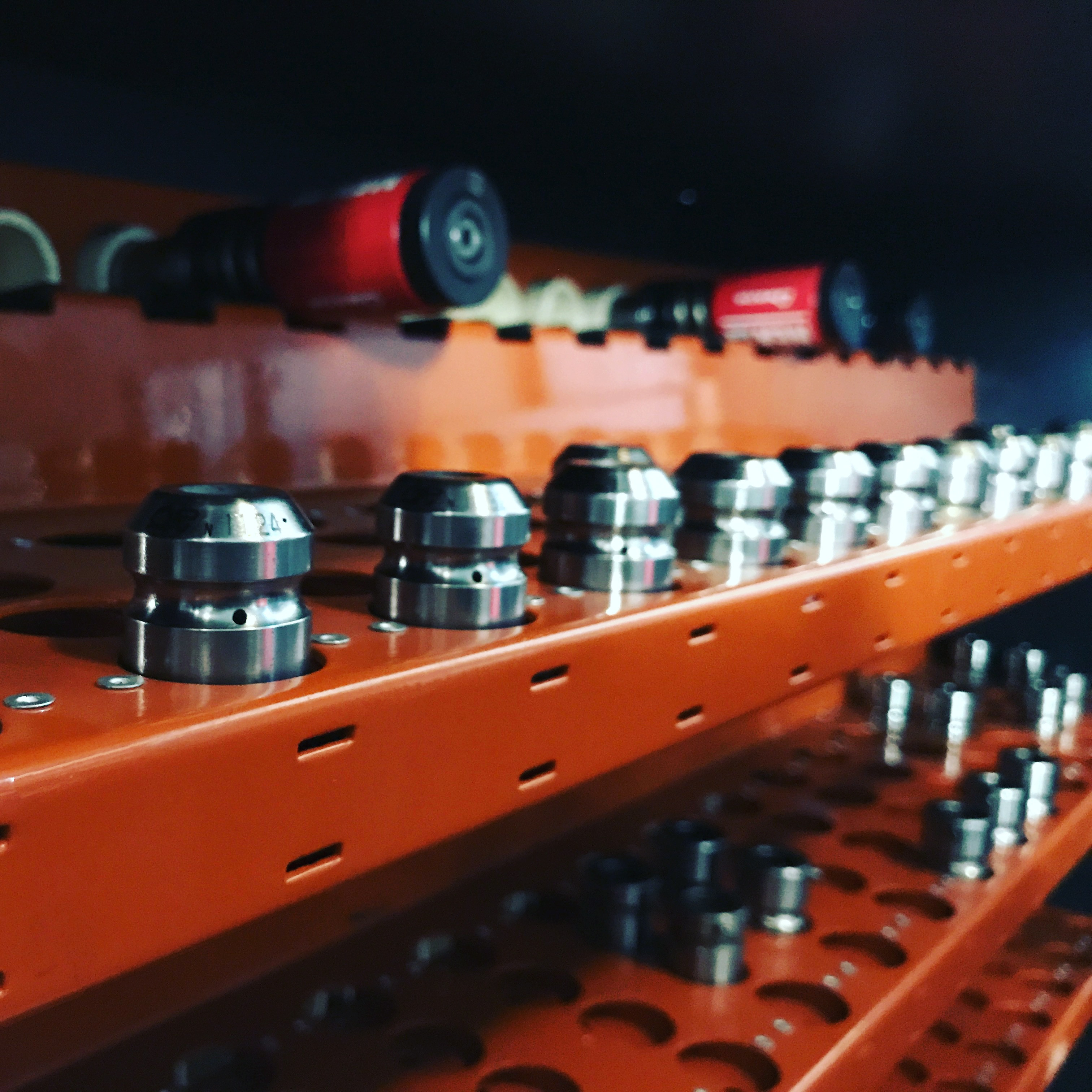
Dies • jigs • fixtures • programs saved • quality plan finalised
With the FAI approved, the production process is locked down under revision control.
Pilot batch & production release
Small run validates process • full batch authorised
For complex products or larger programs, a pilot batch validates the complete process at near-production pace.
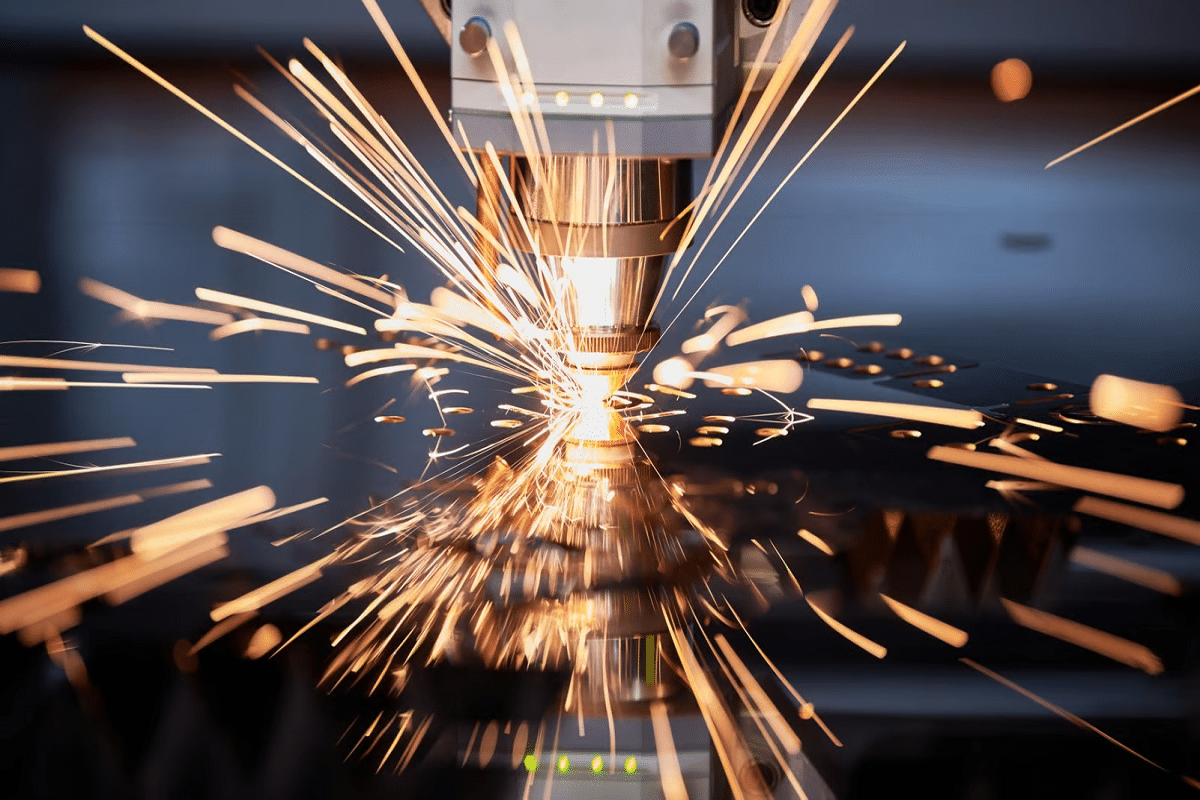
CNC fiber laser cutting requires no physical tooling — parts are cut directly from a DXF/DWG file. This makes laser cutting ideal for prototyping because design changes only require a file update, not a die modification.
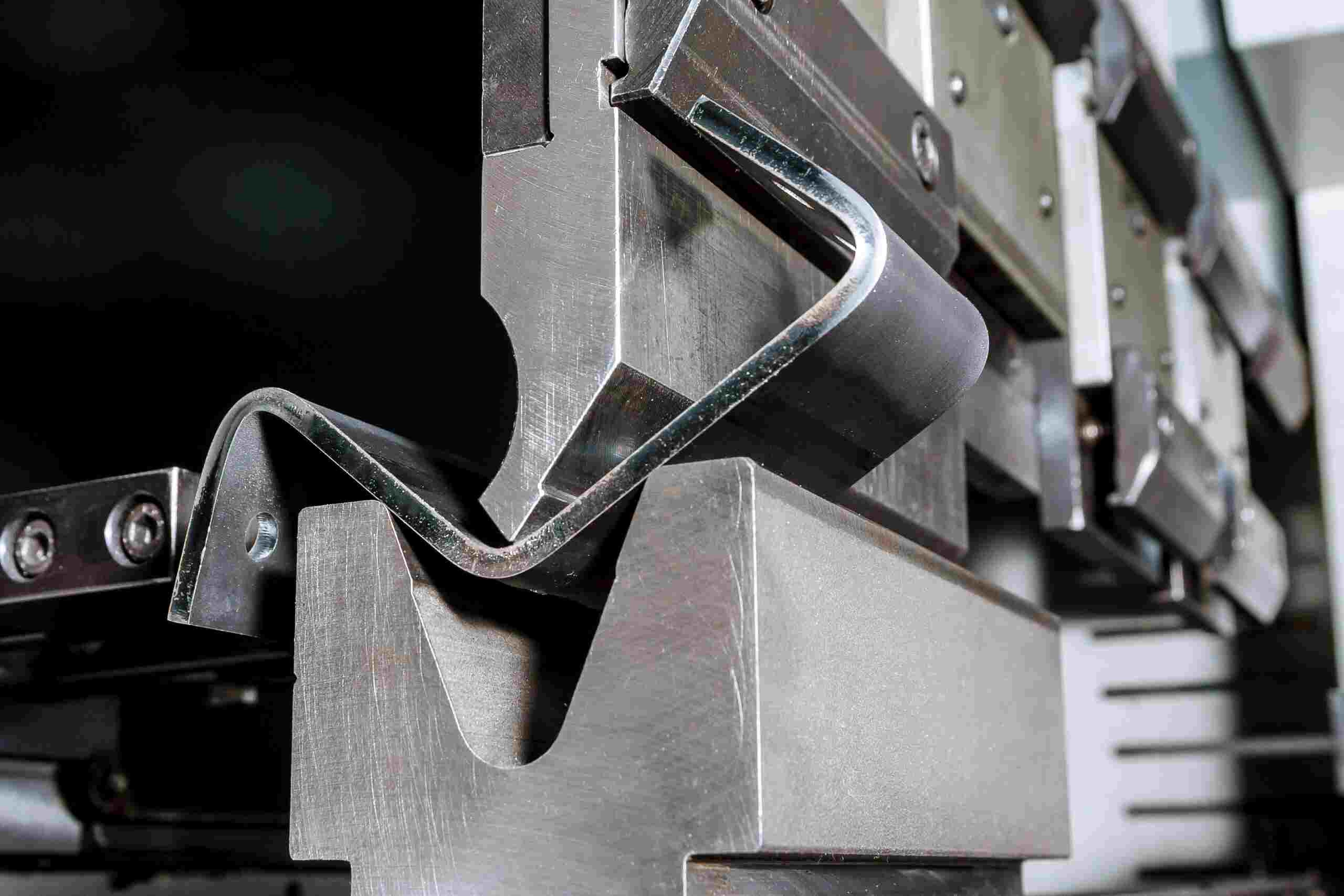
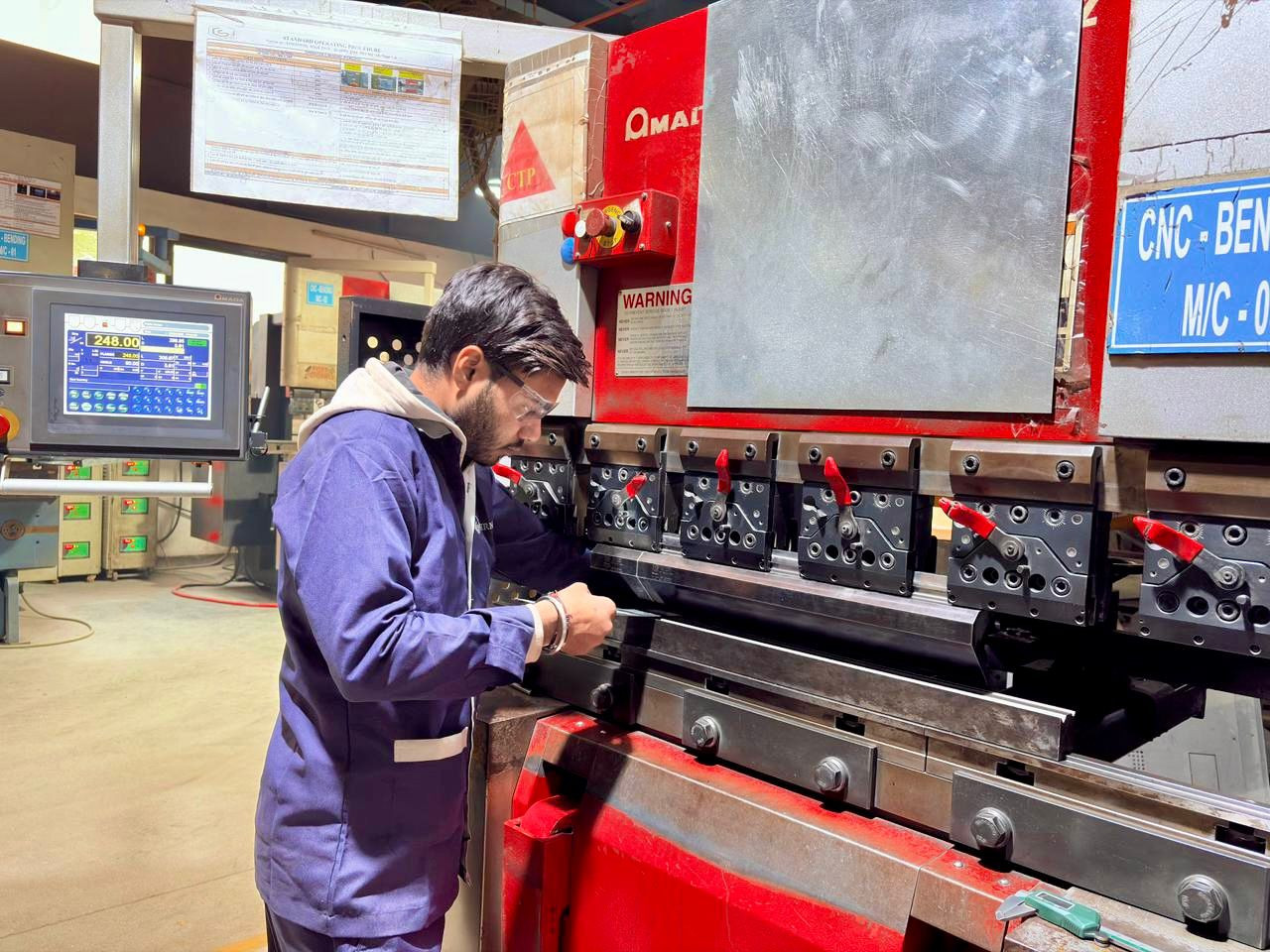
Prototypes are formed on CNC press brakes and welded on the same stations used for production — ensuring prototype output represents batch reality.
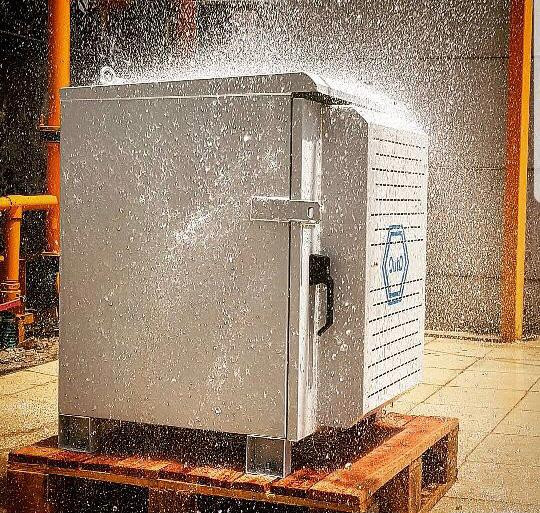
Prototypes can be finished to full production standard — powder coated, assembled, integrated, and IP tested — so you evaluate a true final product.
Because prototyping uses tooling-free processes (laser cutting + standard press-brake tooling), iterations are fast and low-cost.
Dimensional inspection report: Every dimensioned feature on your drawing is measured using calibrated instruments. Each measurement is recorded with nominal value, tolerance, actual value, and pass/fail result.
Visual inspection: Weld quality, powder coat finish (colour, texture, DFT, adhesion), hardware insertion, and cosmetic quality documented with photographs.
Functional checks: Door operation, lock engagement, latch depth, rail spacing (EIA-310-E check for 19″), gasket compression, cable gland torque where applicable.
Material and process records: Material certificate, powder coat DFT readings, adhesion test (ISO 2409), bend test (ISO 1519), and IP test (IEC 60529) where applicable.
Baseline established: Creates a permanent dimensional baseline for future batch inspections.
Process validated: Built using production-intent processes and tooling. If FAI passes, batch production is highly likely to pass.
Risk eliminated: Non-conformance corrected before batch procurement and capacity commitment.
Audit-ready documentation: Provides an auditable record for your quality team (and your customer’s quality team, if required).
You have a new product design (or concept) and need to take it from drawing to production-ready. The full 6-phase NPI applies: DFM review, prototype, evaluation, FAI, tooling, pilot batch.
Import localisation
You currently import an enclosure and want to manufacture it domestically for cost, lead-time, or supply-chain resilience. We adapt the design for local materials/processes and qualify through FAI.
You have an existing product in production but want to redesign it to reduce cost, improve performance, or accommodate new equipment. Our style="color:var(--egs3-gold) !important; text-decoration:underline !important;">DFM engineering team supports redesign, prototyping, and FAI qualification.
Production transfer / vendor qualification
Qualify Eterna as a second source: we build prototypes, submit FAI, and demonstrate compliance against your reference standard.
At many manufacturers, NPI and production are separate teams or facilities, creating a handoff gap where critical learning from prototyping gets lost. At Eterna, the same engineers, operators, and machines that built your prototype also build production batches, so process knowledge is retained and embedded.
Approved FAI • Locked BOM • Tooling trialled • CNC programs saved • Quality plan finalised • Assembly instructions issued • Packaging specification defined
Share your design files and volume forecast — we respond with an NPI plan, prototype quote, and timeline within 48–72 hours.
-04032607375016.jpg)


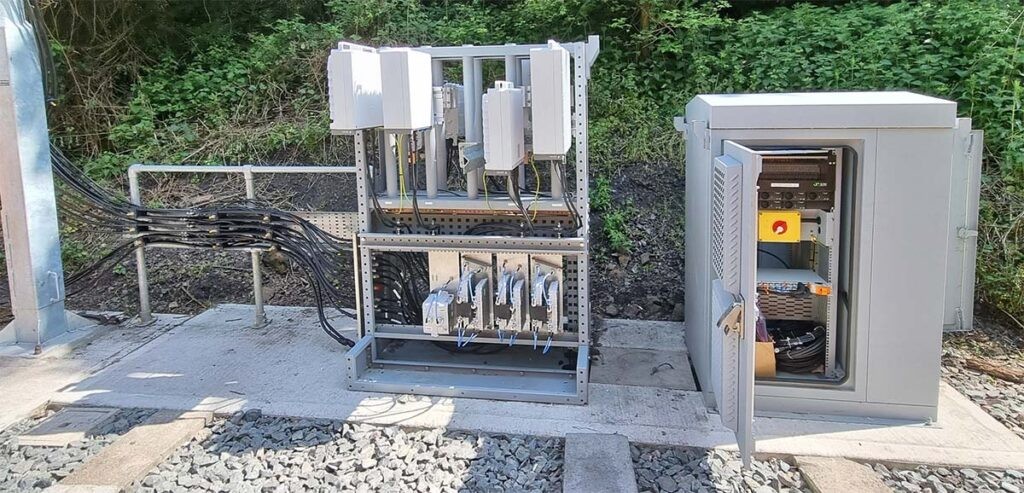
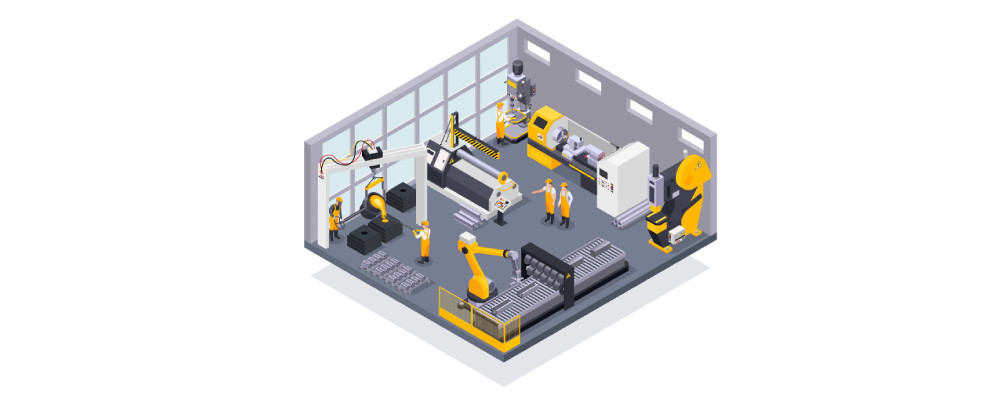
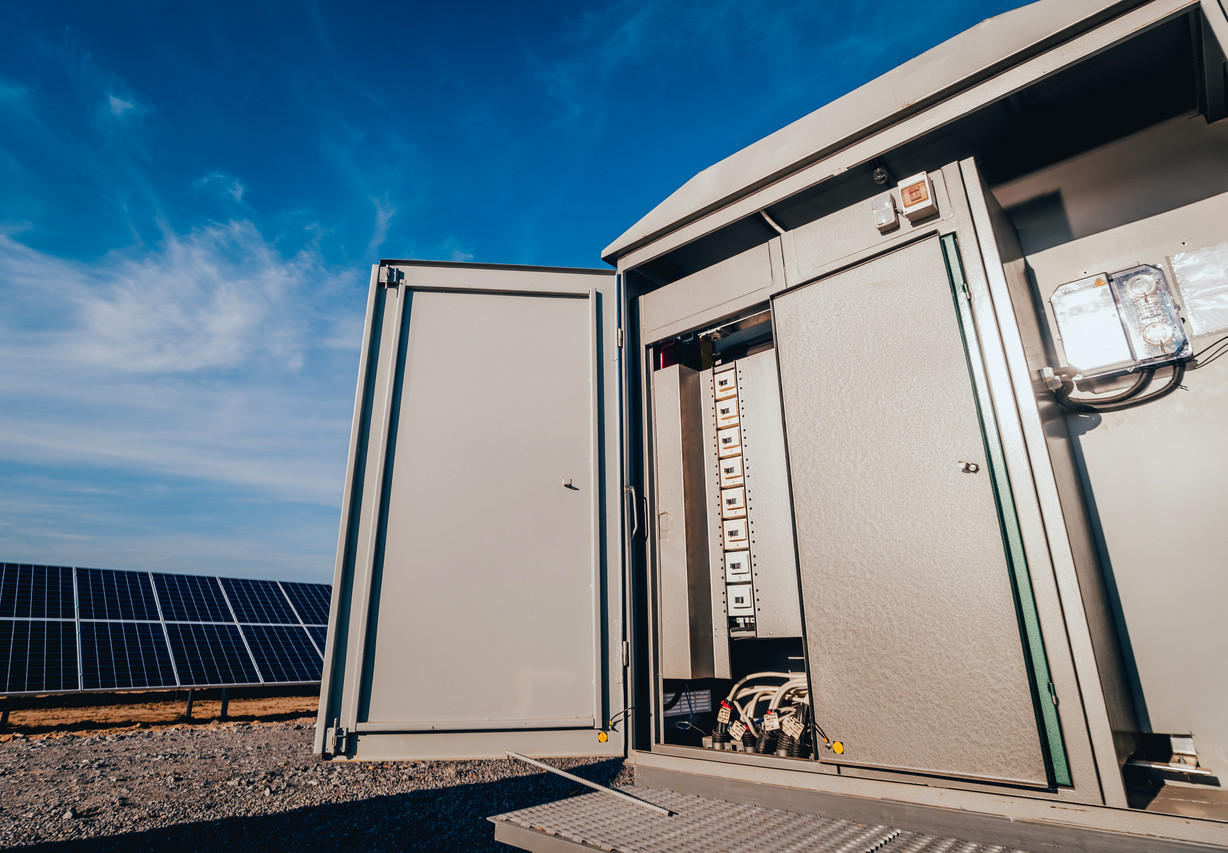


-20082508144130.jpg)
-20082508385589.jpg)

-29112509574730.jpg)
-18122502213226.png)