
ITS & Smart Infrastructure • Eterna Global Solutions
India’s smart infrastructure boom — and the enclosure problem nobody talks about
India is in the middle of the largest intelligent infrastructure build in its history. The Smart Cities Mission covers 100 cities. The National Highway Authority of India (NHAI) is deploying ATMS across 50,000+ km of highways. Metro networks are expanding in 27 cities. Tunnel projects like Atal Tunnel and the Zojila Tunnel are setting new benchmarks for MEP integration. And every single one of these projects has the same critical component in common: field cabinets and equipment enclosures.
These aren’t glamorous. Nobody writes press releases about them. But a poorly specified roadside ITS cabinet on a 60-month O&M contract is a maintenance nightmare that affects uptime SLAs, triggers penalty clauses, and forces expensive field replacements. The cabinet is where the system meets the real world — and the real world in India is brutal: 55°C heat, monsoon flooding, coastal salt spray, tunnel exhaust corrosion, and determined vandals.
100+
Smart Cities Mission cities with active ITS deployments
50,000+
km of NHAI highways targeted for ATMS deployment
27
cities with active or under-construction metro networks
60mo
typical O&M contract period — cabinets must last this long without failure
The specification gap: Most ITS project tenders specify the electronics in detail but leave cabinet specifications vague — “IP55 outdoor enclosure” and nothing else. This is how field failures happen. This guide closes that gap.
Interactive selector — cabinet spec by project type
Select your project category. Get the complete cabinet and enclosure specification for that deployment environment.
Smart City
CCTV, VMS, sensors, Wi-Fi, ICCC racks
Highway ATMS
Roadside cabinets, VMS, incident detection
Tunnel MEP
Fire-rated, exhaust-resistant, EMC cabinets
Toll Plaza
FASTag readers, lane controllers, server racks
Metro / Rail
Station racks, trackside cabinets, comms enclosures
ICCC / Control Room
Server racks, NVR racks, network cabinets
Roadside ITS enclosures — the most underspecified asset in any smart city project
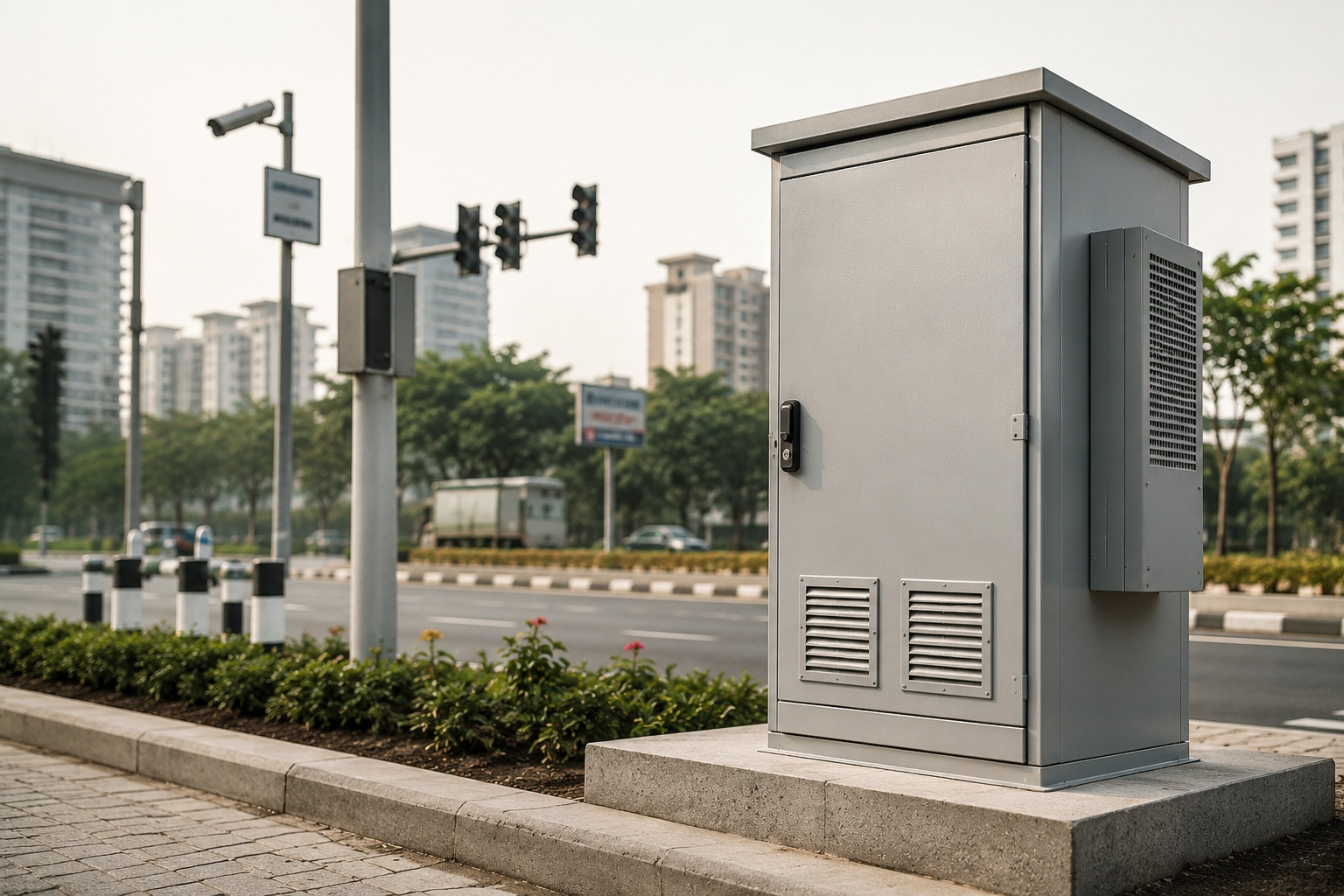
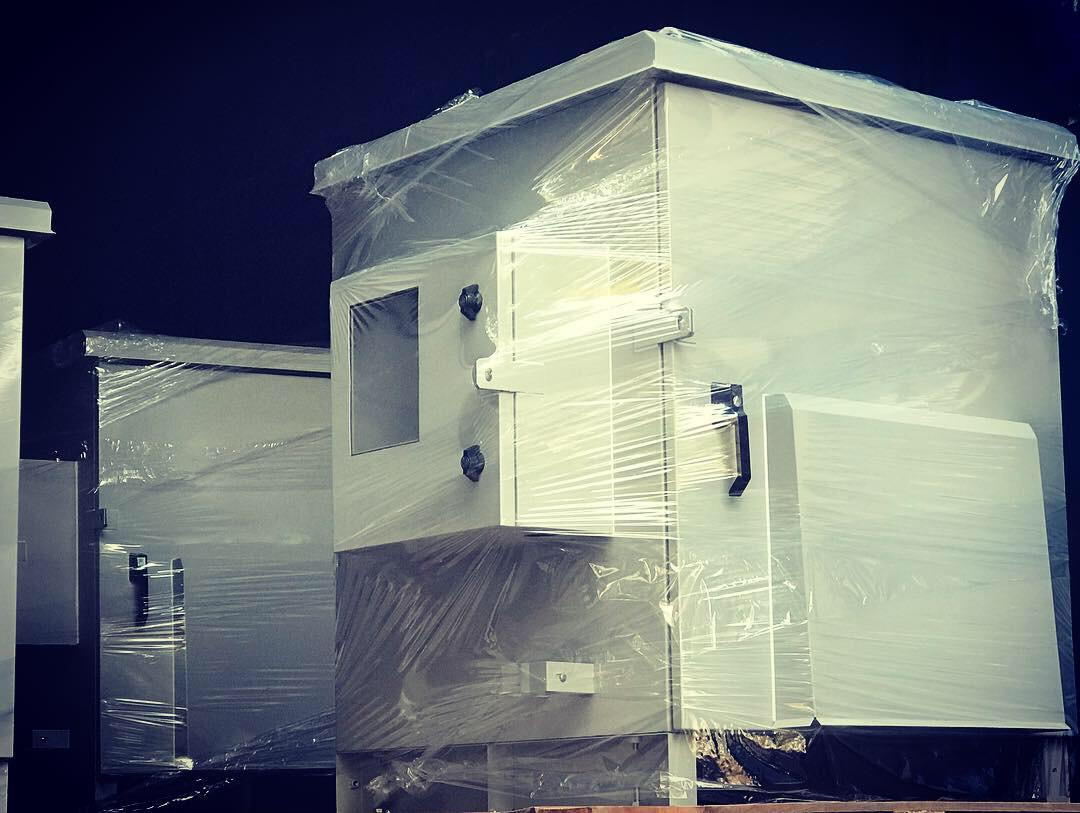
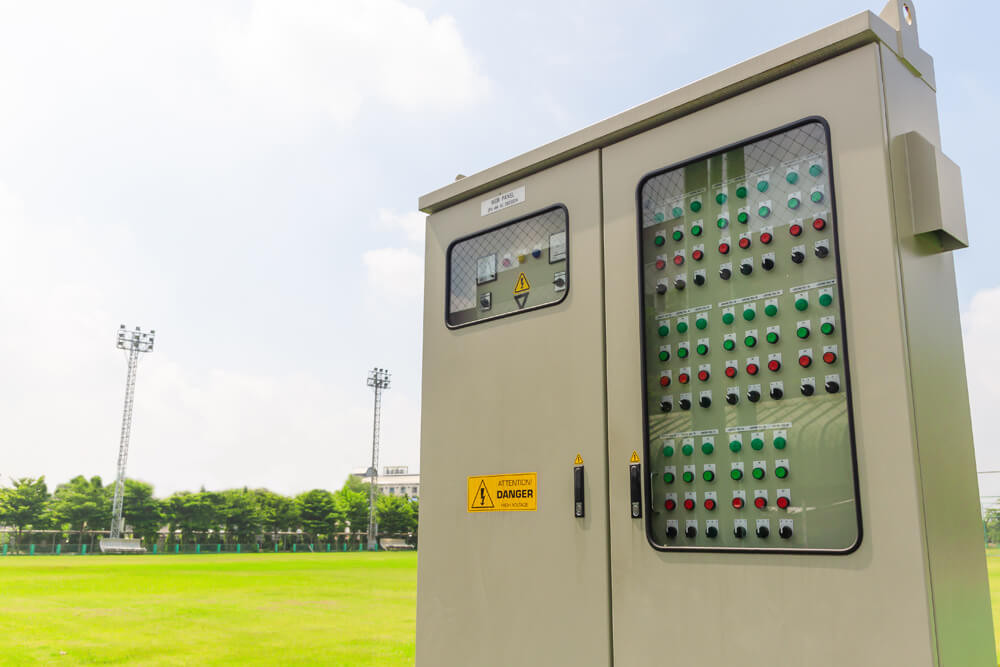
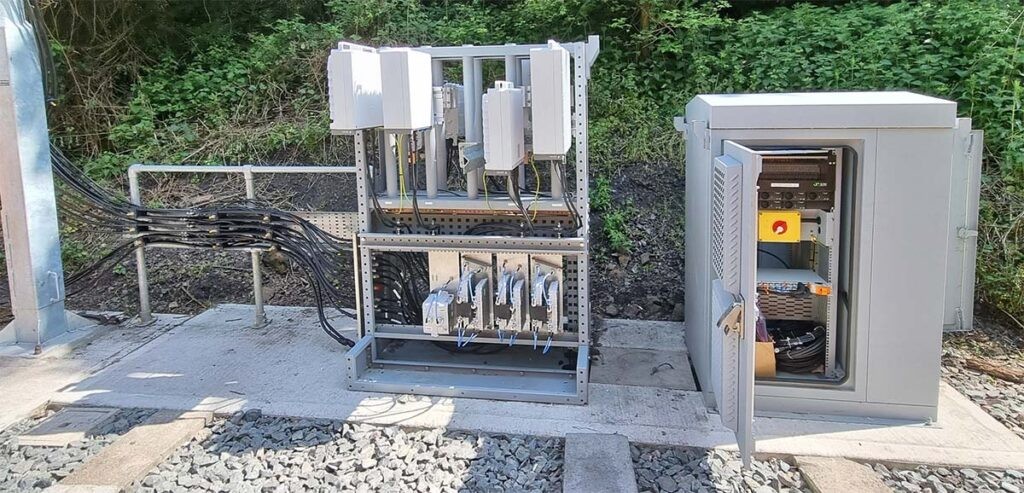
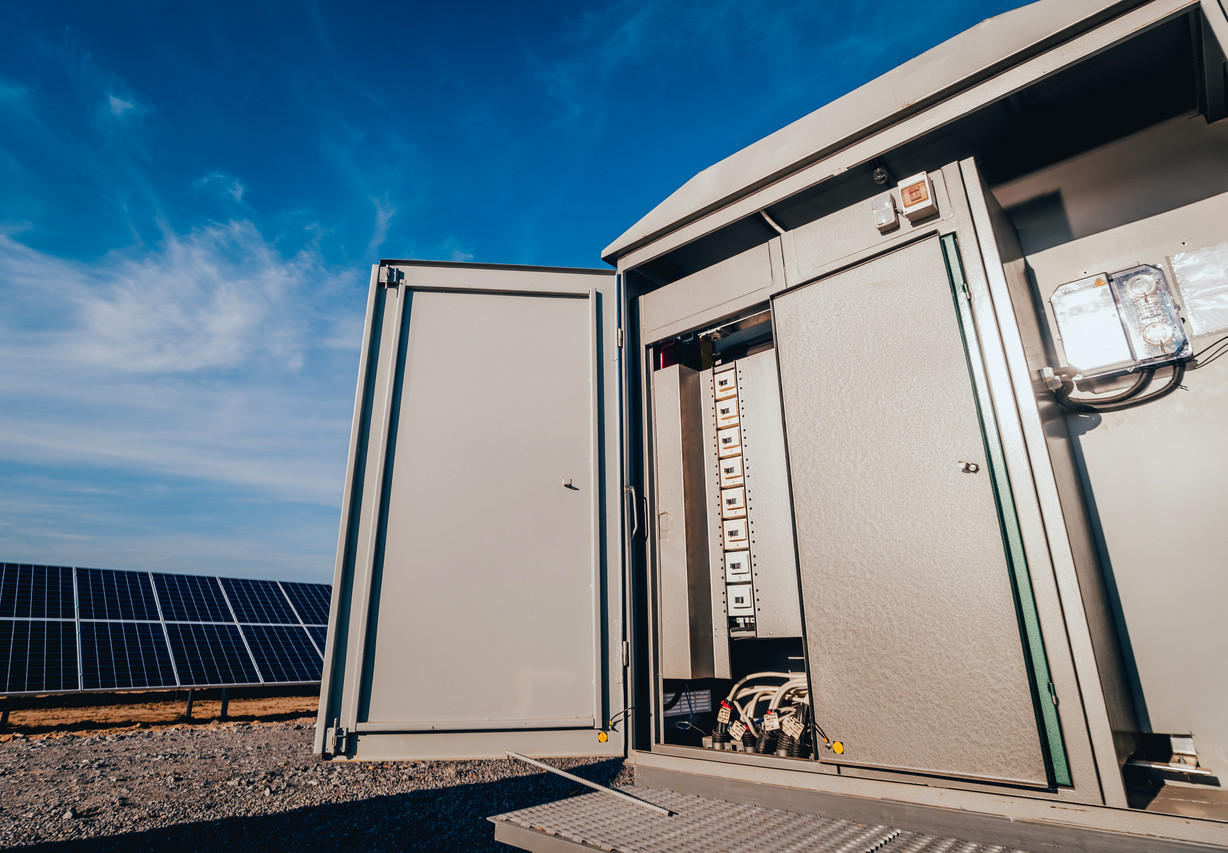
A typical smart city or ATMS deployment has hundreds of roadside enclosures — pole-mount CCTV junction boxes, VMS controller cabinets, loop detector housings, ANPR camera enclosures, and traffic signal controller boxes. Each one sits exposed to the full Indian climate for 5–10 years, typically in high-theft, high-vandalism urban environments.
The failure pattern is always the same: the electronics are specified with care; the enclosure is an afterthought. Then the O&M team starts logging cabinet corrosion, gasket failures, and water ingress at month 18 of a 60-month contract.
Pole-mount ITS junction box
Mounted on smart poles, signal poles, or CCTV poles. Houses splitters, PoE switches, fiber ONU, and power supply.
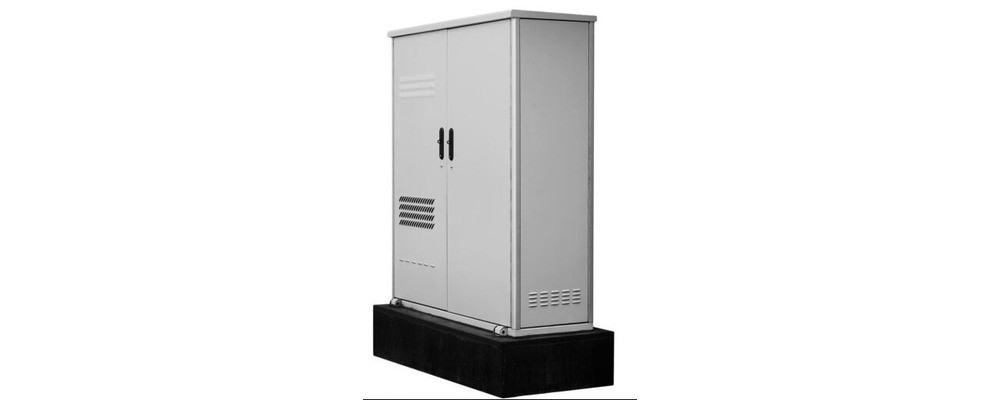
Roadside controller cabinet (floor-mount)
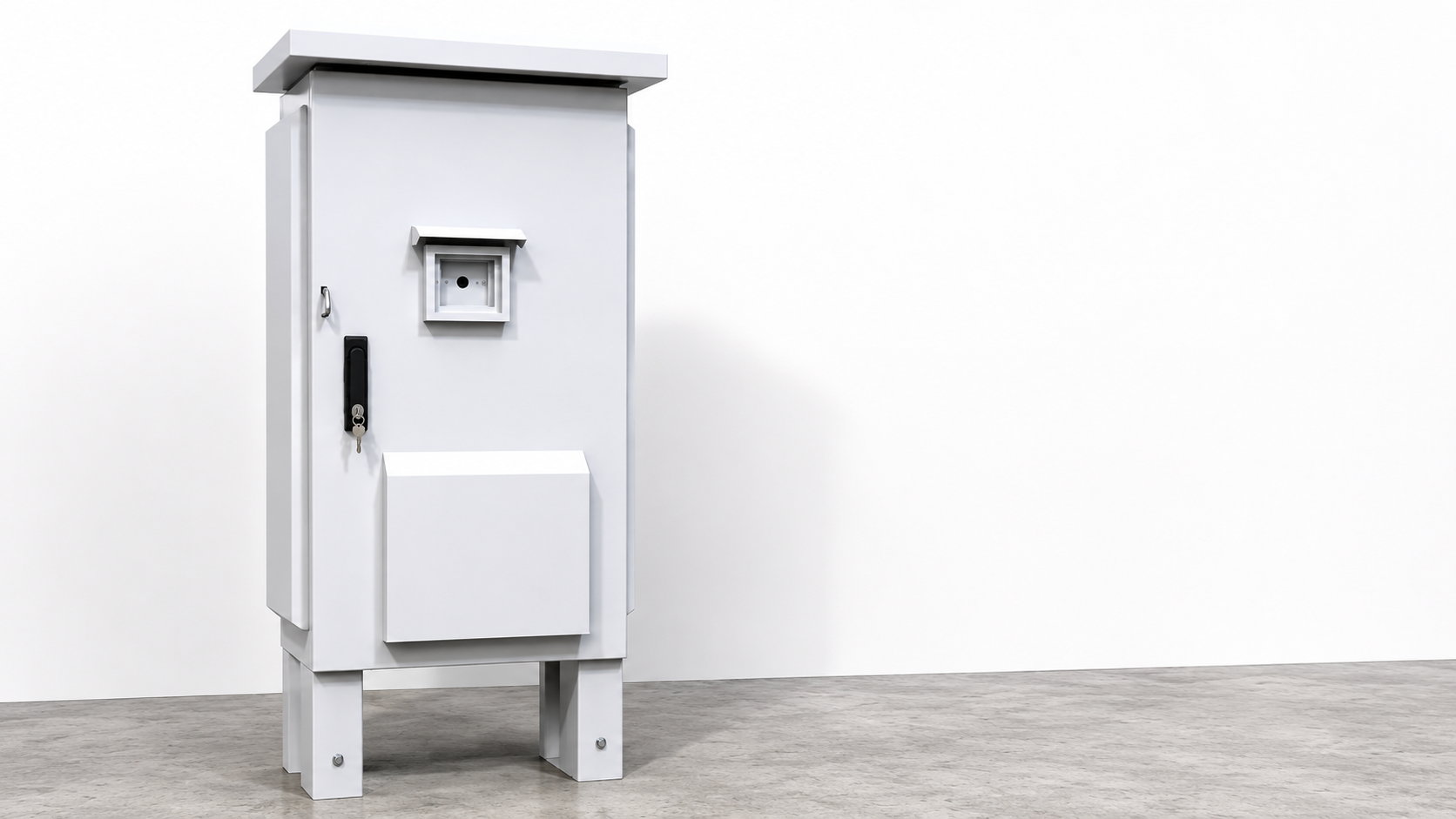
Standalone floor-mount enclosure for traffic controllers, VMS processors, ANPR servers, or signal timing units.
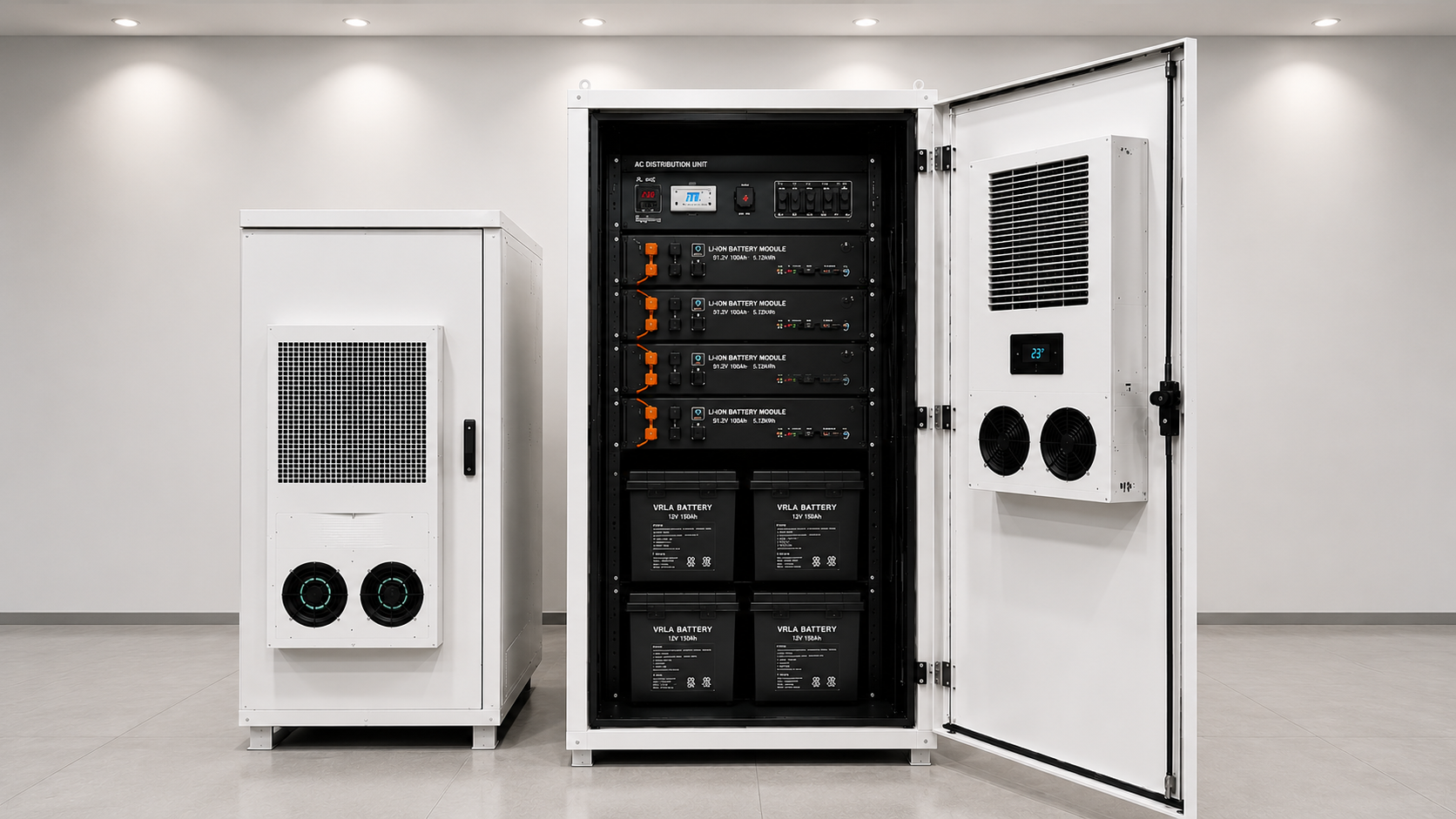
Critical detail often missed: The thermostat setpoint for the cooling fan must be calibrated to the cabinet’s installed location and equipment heat load — not a generic factory default. A 35°C setpoint in Rajasthan means the fan runs continuously, reducing life; a 50°C setpoint in Mumbai means the equipment overheats. Always specify the setpoint in the cabinet datasheet.
ATMS & ICCC control room rack specifications
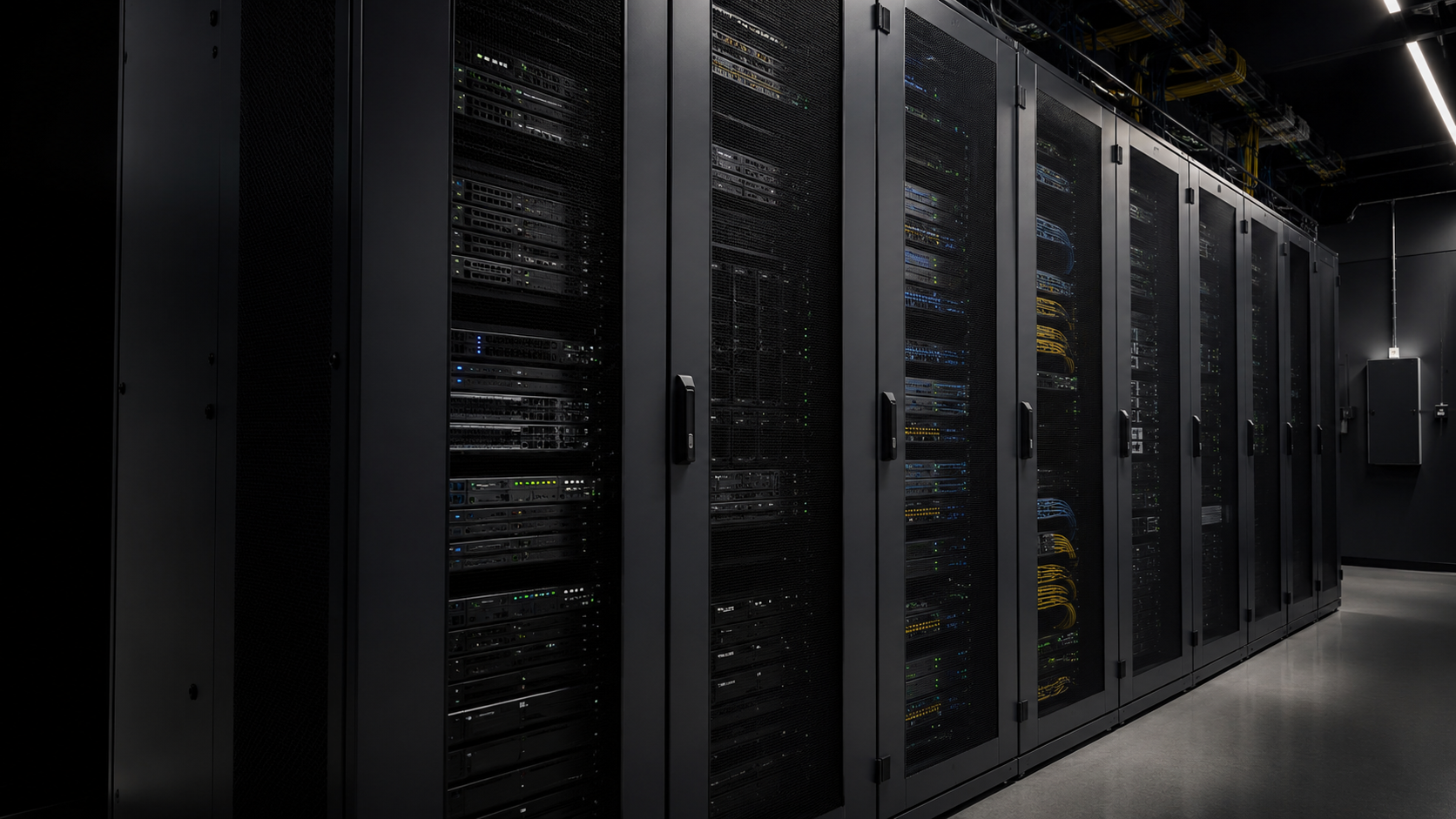
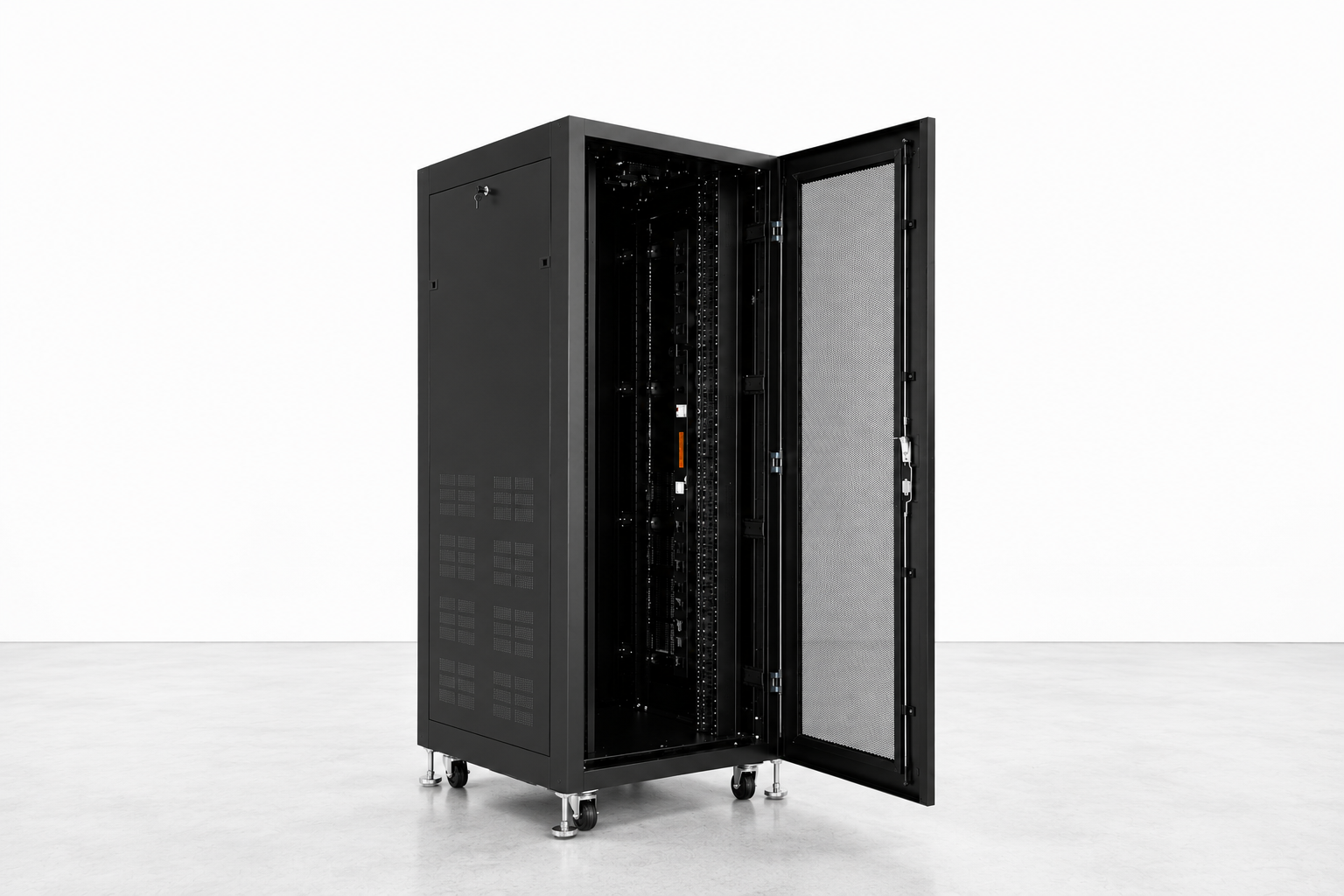
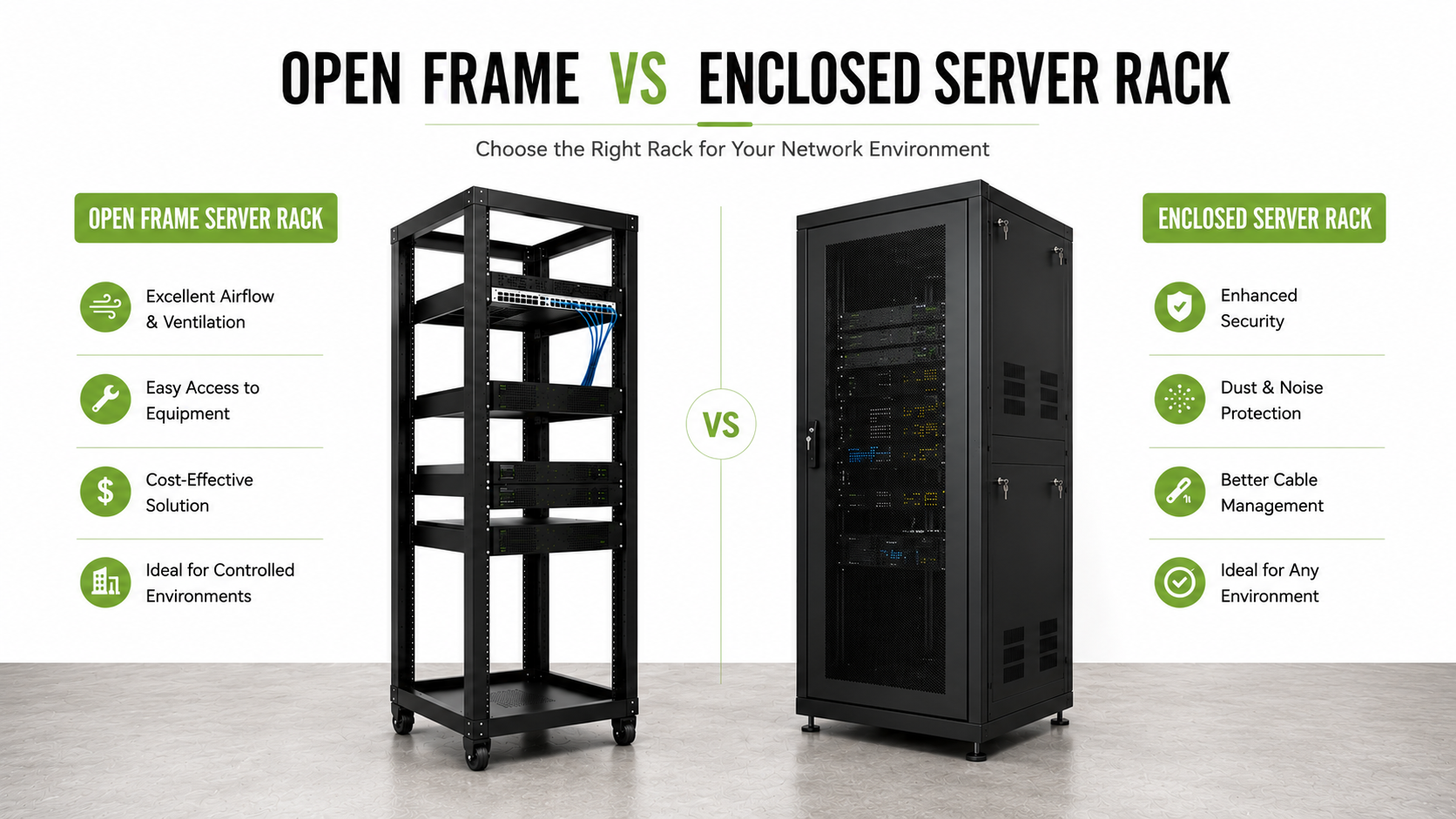
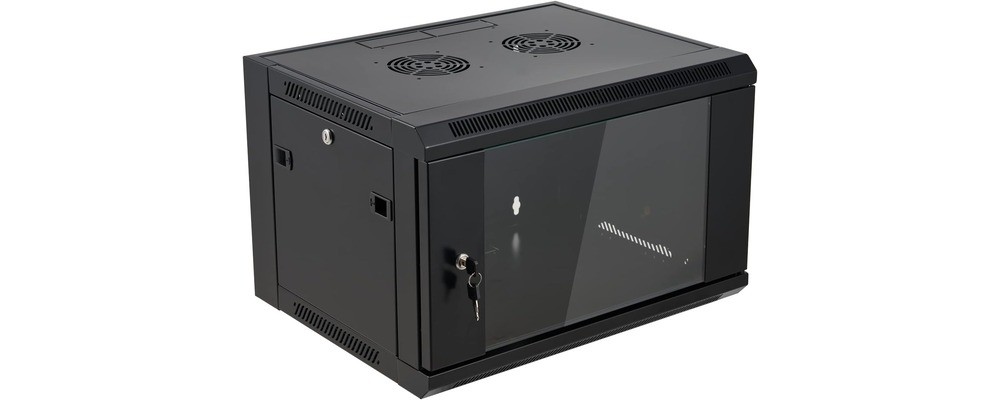
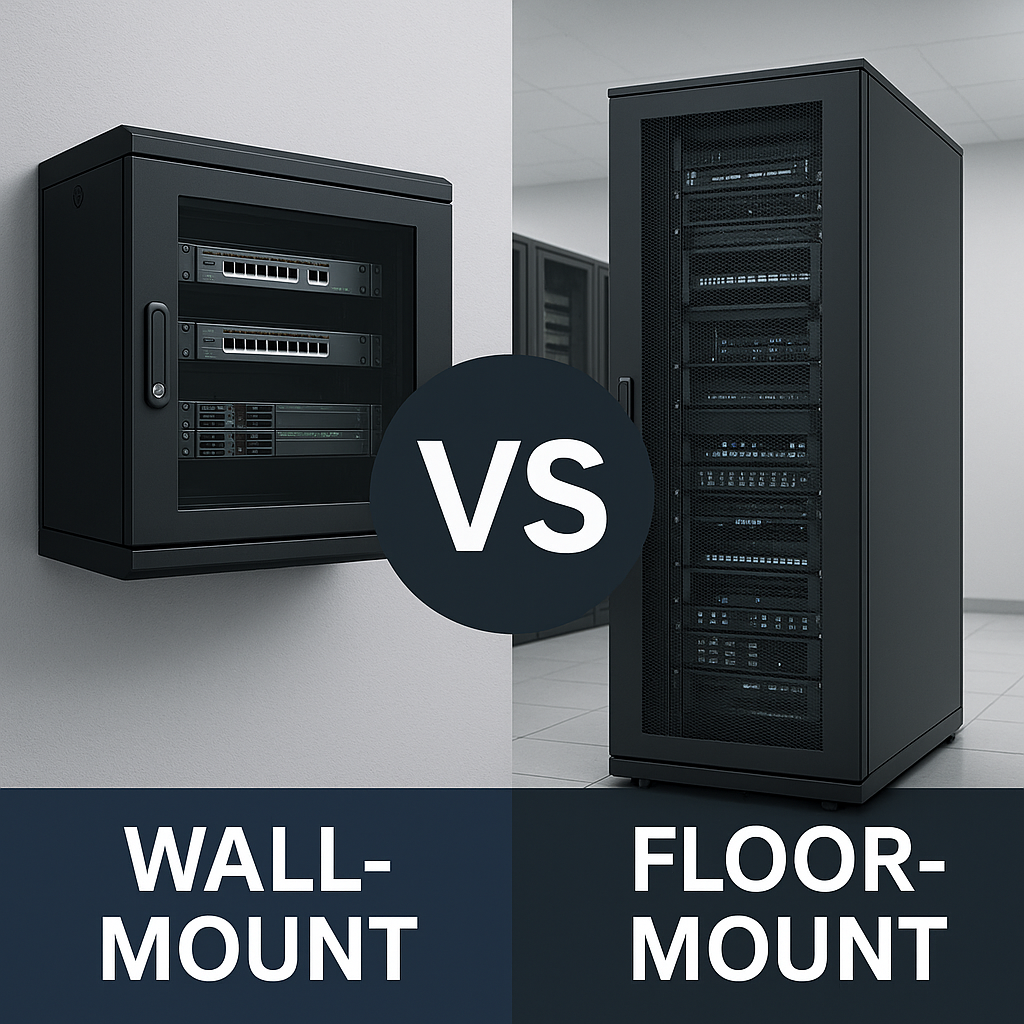
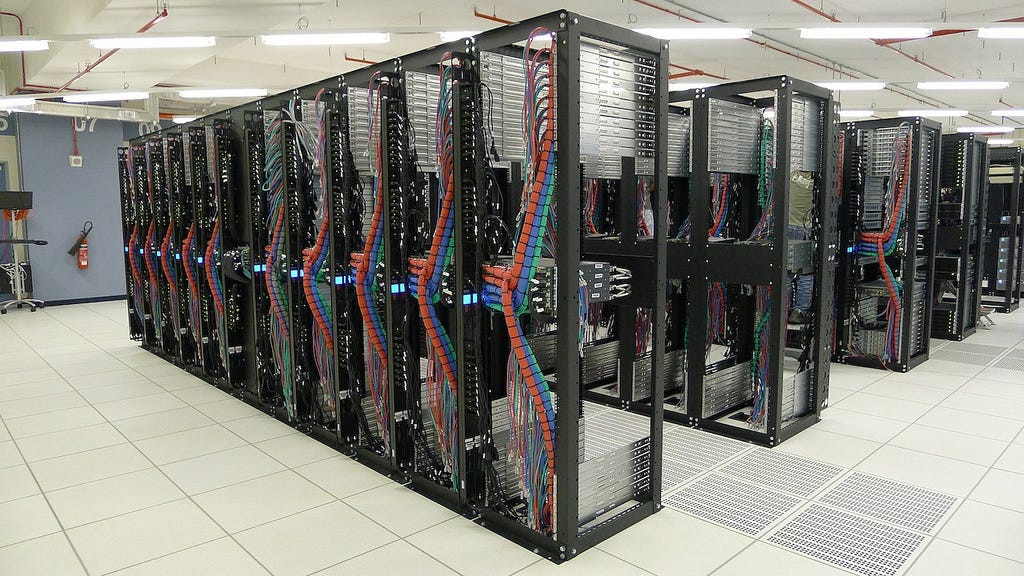
Every highway ATMS project and smart city Integrated Command & Control Centre (ICCC) needs a control room infrastructure — server racks, NVR racks, network cabinets, KVM systems, and UPS integration. This is often procured late in the project timeline, leading to mismatched rack depths, cable management failures, and airflow disasters.
| Rack type | Typical spec | Critical requirements | Common mistake |
|---|---|---|---|
| Server rack (NVR / DVR / compute) | 42U, 800mm wide, 1000–1200mm depth, 1000kg rated | Front-to-back airflow, blanking panels, cable management arm | Under-depth rack for deep NVR servers (always measure deepest unit first) |
| Network rack (switches / patch) | 24U–42U, 600mm wide, 800mm depth | Cable management top + bottom, patch panel labelling, 1U blanks | No rear cable management, resulting in airflow blockage |
| KVM / operator console | 12U–18U, 600mm wide, 600mm depth | 1.5U KVM drawer, monitor arm provision, cable routing | Mixing KVM in a deep server rack causes ergonomic failure |
| UPS / power distribution rack | As per UPS size (often floor-standing separate unit) | Dedicated earthing bus, PDU with surge protection, cable entry from below | Sharing UPS rack with server rack violates weight and safety norms |
| Video wall frame / display rack | Custom per video wall size | Cable management behind video wall, service access panel, earthing | No rear access provision, making maintenance impossible without dismantling |
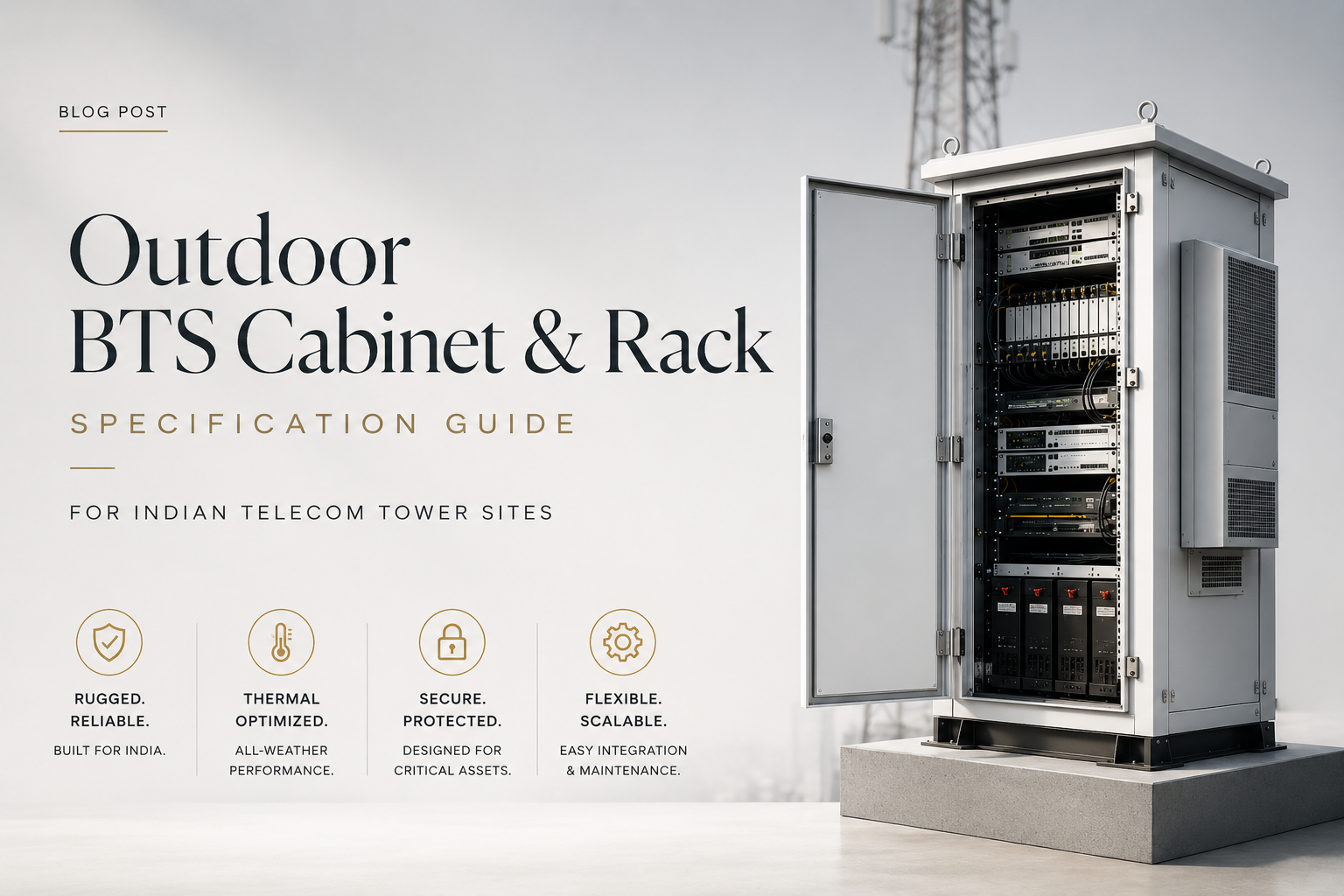
| Outdoor comms cabinet (field hub) | IP55, H1800 x W600 x D600mm, fan cooled | 19" rack inside, fiber patch panel, power distribution, battery backup | Single-compartment cabinet mixing power and data (induces EMI) |
Rule for ATMS control rooms: Always design rack layout on paper first — U positions, cable paths, airflow direction, and weight per rack. A 42U rack fully loaded with NVR units and drives can exceed 800kg. Verify floor load rating before finalising rack placement.
Tunnel MEP cabinets — the harshest enclosure environment in Indian infrastructure
Tunnel MEP cabinets face conditions that no standard outdoor cabinet is designed for: continuous exhaust fumes causing chemical corrosion, high humidity from vehicle traffic, vibration from heavy vehicles and blasting (during construction), electromagnetic interference from traction power systems, and strict fire safety requirements because evacuation in a tunnel fire is a life-safety event.
Projects like the Atal Tunnel, Zojila Tunnel, and metro underground stations set the benchmark. Getting the cabinet specification wrong in a tunnel means expensive extraction and replacement in a confined, access-restricted environment with live traffic.
Tunnel environment requirements
Tunnel cabinet types & locations
The Atal Tunnel standard: At 3,100m altitude with extreme freeze-thaw cycling, tunnel cabinets at Atal Tunnel needed IP65 + SS316L + thermal insulation panels + heated cable glands. This is now the benchmark for high-altitude tunnel projects in India.
Full comparison: ITS cabinet specifications by project type
Use this during tender preparation, BOM finalisation, or supplier evaluation.
| Specification | Smart City Pole Cabinet | Highway ATMS Cabinet | Tunnel Niche Cabinet | Toll Plaza Cabinet | Metro Station Rack |
|---|---|---|---|---|---|
| IP rating | IP66 | IP55 / IP66 (coastal) | IP65 | IP55 | IP42 (indoor) / IP55 (trackside) |
| Material | 2mm CRCA / Aluminum | 2mm CRCA | SS316L / HDG CRCA | 2mm CRCA | CRCA / SS (platform area) |
| Coating | PC 60–80μm, RAL 7035 | PC 60–80μm, RAL 7035 | Epoxy + PU chemical-resistant | PC 60–80μm | PC 60μm, RAL 7035 |
| Cooling | Passive or filtered fan | Thermostat fan or HEX | Forced air (exhaust-rated fan) | Fan + thermostat | AC or fan (equipment-dependent) |
| Fire rating | Standard | Standard | IEC 60695 / UL94 V-0 | Standard | IEC 60695 (tunnel station) |
| Locking | Hex anti-vandal + padlock | 3-point + padlock | Quarter-turn + padlock | 3-point + padlock | Standard key / slam latch |
| Mounting | Pole clamp 60–114mm | Anchor bolt / plinth | Wall recessed niche, anchor bolt | Anchor bolt plinth | Floor-stand or wall bracket |
| EMC provision | Earthing lug | Earthing bus | Full EMC bonding per IEC 61439 | Earthing bus | Earthing per railway standard |
| Cable management | Bottom gland plate | Bottom entry, gland plate | EMC-rated glands, sealed | Bottom gland plate | Top + bottom, EMC glands |
| Finish colour | RAL 7035 or city spec | RAL 7035 (NHAI standard) | RAL 7035 or grey | RAL 7035 | RAL 7035 or metro livery |
| Typical size | H500 x W300 x D200mm | H1200–1800 x W600 x D600mm | H800 x W600 x D300mm (wall niche) | H1200 x W600 x D400mm | H2000 x W600 x D800mm |
| Inspection docs required | IP cert, DFT report, CoC | IP cert, DFT, dimensional, CoC | IP cert, fire test cert, EMC cert, DFT | IP cert, DFT, CoC | IP cert, DFT, earthing cert |
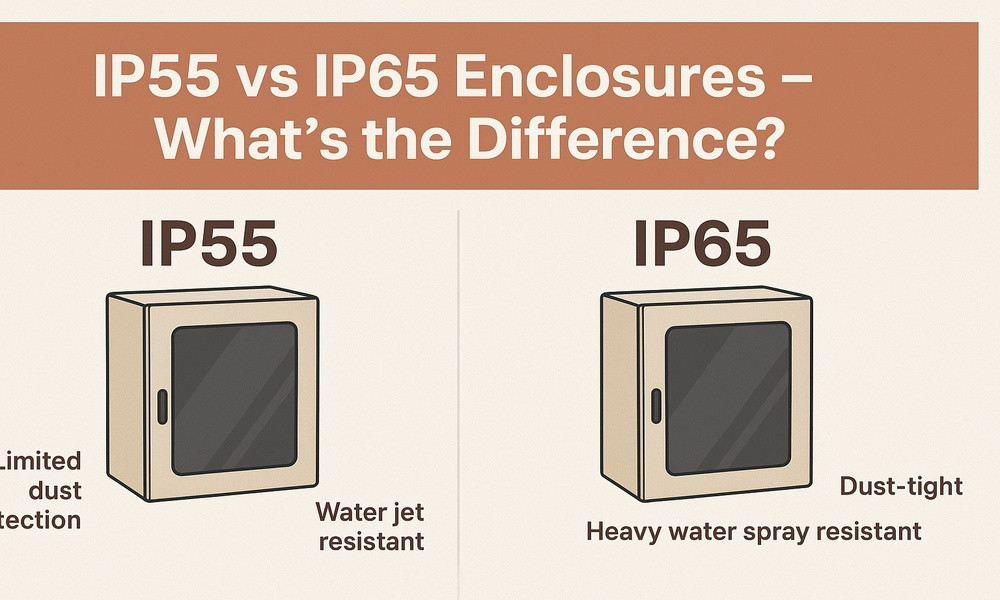
Procurement tip: Always ask for the IP test certificate for the specific model being supplied — not a generic family certificate. A cabinet that passed IP55 as a basic unit may fail IP55 with cable glands installed if the glands weren’t rated and tested together.
Anti-vandal & security specification for urban deployments
Urban ITS deployments face a consistent threat: physical tampering, cable theft, and deliberate damage. A CCTV junction box on a city street pole that can be opened with a flat-head screwdriver is not a cabinet — it’s an access point. Security hardening must be specified in the cabinet, not retrofitted after an incident.
Physical security checklist
Cable theft prevention
ITS project reality: In most smart city projects, the first cabinet tamper incident happens within 90 days of commissioning. If the cabinet wasn’t specified with anti-vandal provisions from day one, retrofitting is expensive and aesthetically poor. Build it right in the manufacturing spec.
System integrator vendor qualification checklist
What ITS system integrators and EPC contractors should verify before awarding a cabinet supply contract. These are the questions a serious procurement team asks.
Technical capability
Quality & documentation
Supply & delivery
Project support
Cabinet supplier risk scanner
Evaluating a supplier for your ITS project? Check what you’ve observed. Get an instant risk assessment.
Risk indicators
Risk result
Risk level: —
Meaning: —
Next step: —
Frequently asked questions
What IP rating is required for roadside smart city cabinets in India? —
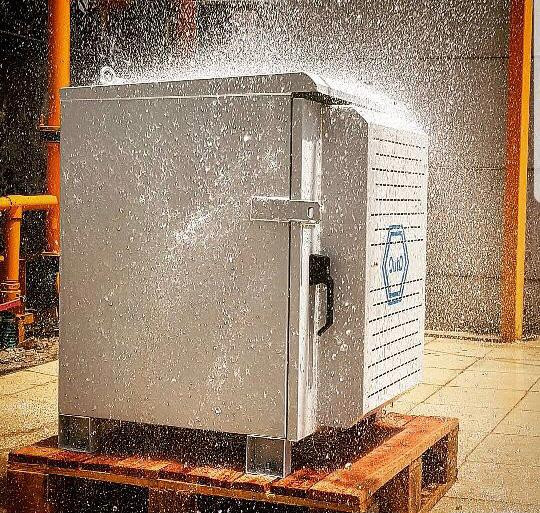
IP66 is the correct specification for any pole-mounted or standalone roadside cabinet in India. IP55 is insufficient for monsoon-season exposure, high-pressure cleaning, or coastal environments. The cable glands installed must also be IP66-rated — a cabinet body rated IP66 with IP55 glands installed will fail the IP66 system test. Always verify gland ratings separately.
What is the standard rack size for an ATMS or ICCC control room? +
The standard is 42U, 800mm wide, 1000–1200mm deep for server and NVR racks. Network racks are typically 42U, 600mm wide, 800mm deep. The depth is the most critical dimension — many ITS integrators underestimate this and end up with servers protruding beyond the rack frame. Always measure your deepest equipment (including cable management arms) before finalising rack depth.
What makes tunnel MEP cabinets different from standard outdoor cabinets? +
Tunnel cabinets face exhaust chemical corrosion (NOx, SO2, particulates), continuous high humidity, vibration, EMI from traction power systems, and strict fire safety requirements. They require SS316L or hot-dip galvanized construction, chemical-resistant epoxy + PU coating, fire-rated internal components per IEC 60695, full EMC bonding, anti-vibration mounting frames, and EMC-rated cable glands. A standard IP55 powder-coated cabinet will corrode and fail within 2–3 years in a tunnel environment.
How should ITS cabinets be specified for O&M contract periods of 5+ years? +
For 5–10 year O&M contracts: specify IP66, minimum 2mm wall thickness, EPDM dual-layer gaskets (not foam), hot-dip galvanized or SS316L for coastal and tunnel sites, UV-stabilized coating for outdoor exposure, and anti-vandal security hardware. Request a salt-spray test certificate (minimum 500 hours for inland, 1000 hours for coastal per ASTM B117) and a UV exposure test certificate. Also specify spare part availability for the full O&M period in the purchase order.
Can a single cabinet supplier support a multi-city smart city rollout? +
Yes, but it requires a supplier with: in-house manufacturing (not a trading company), batch production capability (100+ units per month), pan-India logistics with engineered packing, climate-zone-specific coating capability, and full documentation per batch (IP cert, DFT report, inspection records). Ask for references from previous multi-city projects and verify batch-to-batch consistency with sample inspection data.
What documentation should accompany each cabinet delivery for an ITS project? +
Minimum documentation per delivery: IP test certificate for the model (not a generic cert), DFT coating measurement record for the batch, dimensional inspection report, material CoC (steel grade and coating material), and packing list with photos. For tunnel projects additionally require: fire test certificate per IEC 60695, EMC bonding continuity report. All documents should reference the purchase order number and batch/serial numbers for full traceability.
Does Eterna Global Solutions supply cabinets for ITS and smart city projects? +
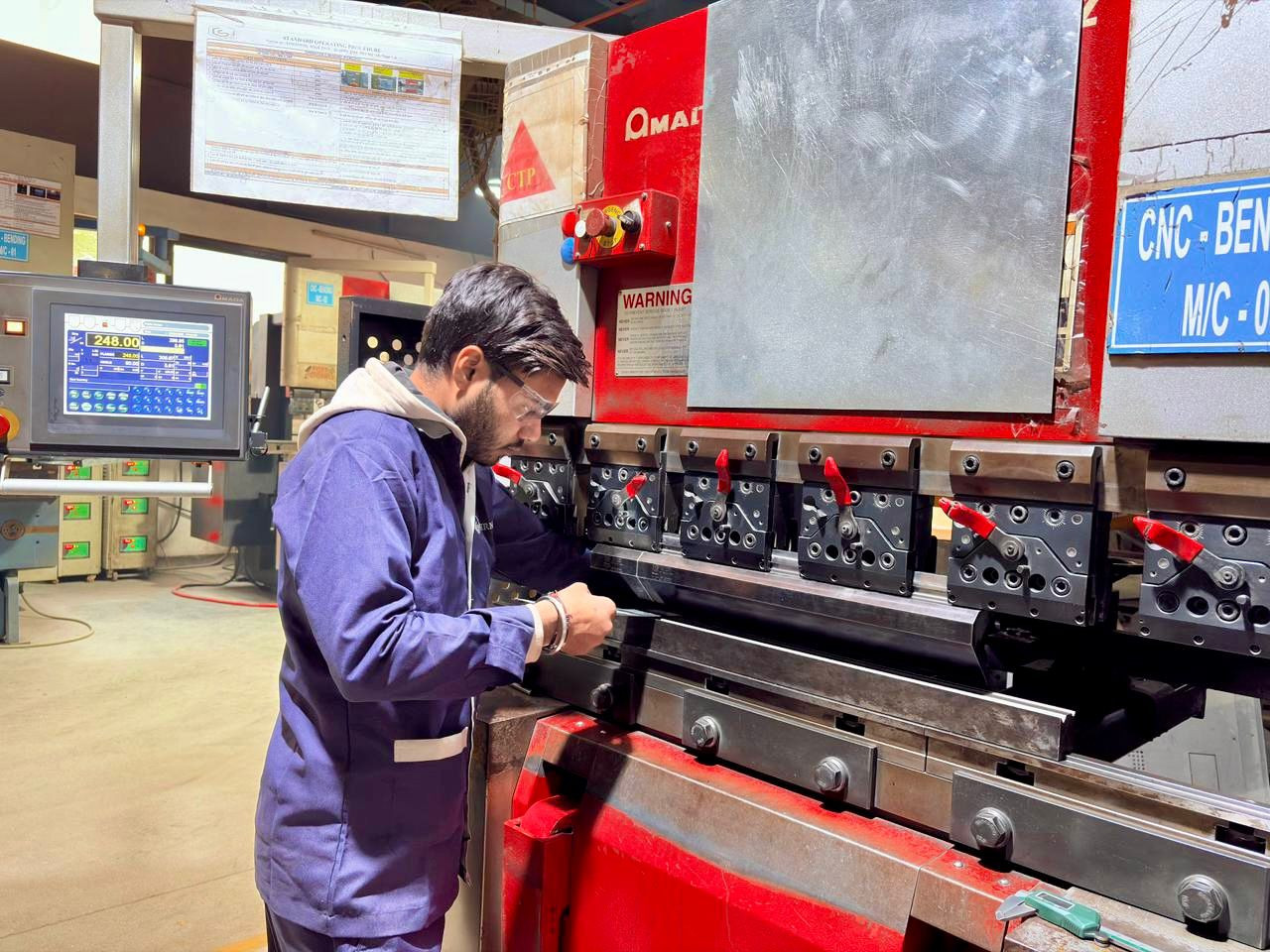
Yes. Eterna Global Solutions manufactures custom ITS field cabinets, roadside enclosures, ATMS controller housings, control room racks, and tunnel MEP enclosures. We support multi-city rollouts with climate-zone-specific coating specs, full inspection documentation per batch, and pan-India delivery. Submit an RFQ with your project type, equipment list, and city locations to receive a detailed specification and quote.
Request a cabinet specification & quote
Tell us your project type, city / climate zone, equipment list, and quantity. We’ll respond within 48 hours with a detailed cabinet specification, coating recommendation, and manufacturing plan.



-20082508144130.jpg)
-20082508385589.jpg)



-29112509574730.jpg)


-18122502213226.png)